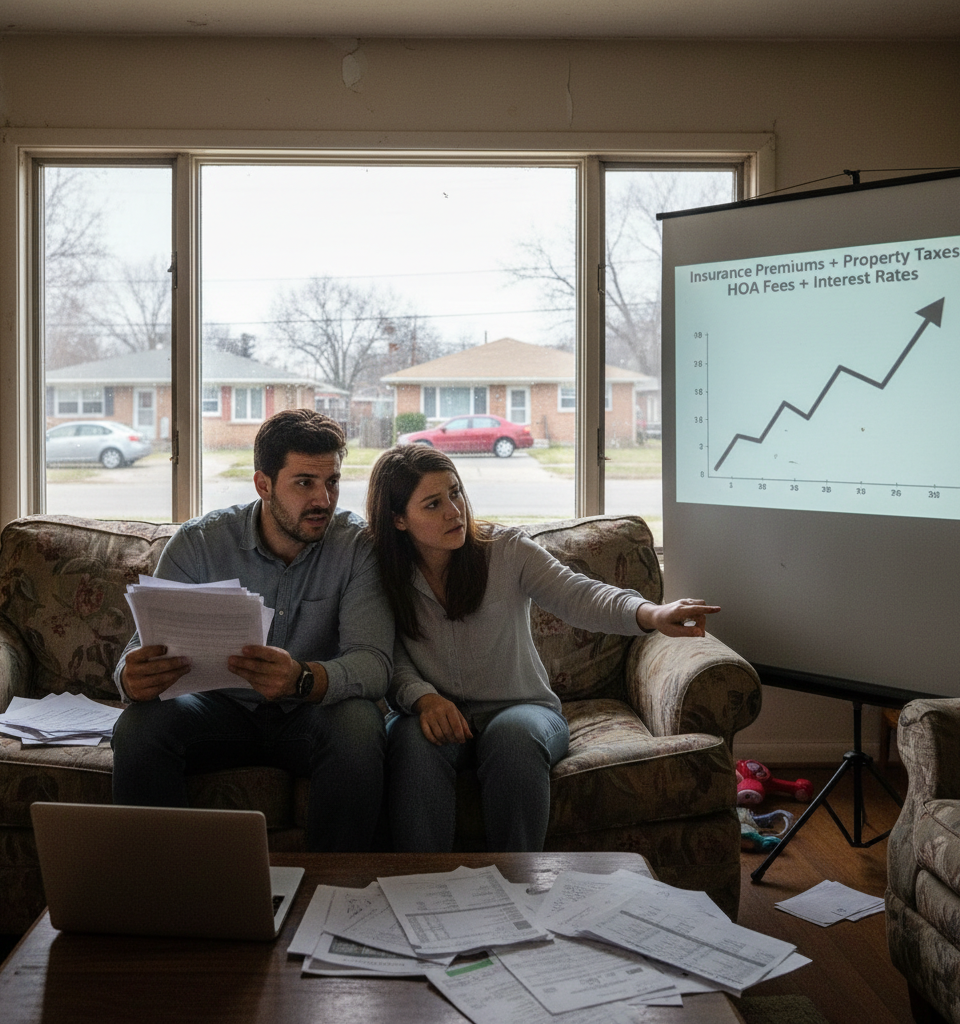
A Perilous Precedent: The Erosion of Household Buffers
This brewing crisis is particularly potent because it targets the bedrock of American wealth: homeownership. For decades, home equity has served as a primary financial safety net. However, with a substantial portion of U.S. households reportedly living paycheck to paycheck – estimates from sources like LendingClub and PYMNTS indicate over 60% – any sudden, significant increase in non-mortgage housing costs could dismantle already fragile budgets. The historical context shows that periods of rapid market appreciation are often followed by substantial adjustments in property valuations, which then translate into higher tax burdens. Without adequate savings or income growth, these adjustments become unsustainable.
The Triple Threat: Taxes, Insurance, and Mortgage Reckoning
The core of the 2026 financial shock lies in three distinct but converging areas. Firstly, property tax reassessments across numerous states are expected to reflect the dramatic home value appreciation seen in recent years. This could lead to double-digit percentage increases in annual property tax bills for many homeowners. Secondly, the home insurance market is in turmoil; climate change-driven events and inflation have pushed premiums skyward, particularly in high-risk areas. Florida, for instance, has seen average premiums soar past $6,000 annually, with similar trends rippling through California and Gulf Coast states. Finally, while not a new mortgage, many homeowners who refinanced into exceptionally low rates during the pandemic will reach a new payment threshold if they have adjustable-rate mortgages (ARMs) or if balloon payments come due, adding another layer of financial pressure. These costs operate outside the direct mortgage payment, making them easily underestimated until the bill arrives.
Industry Ripple Effects: From Real Estate to Retail If a significant segment of homeowners faces increased financial strain due to these rising costs, the reverberations will be felt across multiple industries.
The real estate market could witness a slowdown as homeowners become hesitant to sell or new buyers face even higher total ownership costs. Mortgage lenders may see an uptick in delinquencies, while home improvement sectors could experience reduced demand for discretionary projects. Furthermore, general retail and consumer spending could suffer as households reallocate funds to cover essential housing expenses, potentially dampening overall economic growth. This could create a domino effect, impacting local economies heavily reliant on property taxes and consumer activity.
Expert Prognosis: A Call for Proactive Planning
Financial analysts and economists are increasingly sounding the alarm. Dr. Sarah Chen, a senior economist at the Brookings Institute, commented, “The 'hidden costs' of homeownership have always existed, but the scale of the impending increases, coupled with pervasive paycheck-to-paycheck living, creates an unprecedented vulnerability. We are looking at a scenario where a substantial portion of the population will need to make difficult choices between essential living expenses and maintaining their homes.” Experts recommend that homeowners proactively research their local property tax assessment schedules and insurance market trends, and begin budgeting for potential increases well in advance. For those with adjustable-rate mortgages, understanding the reset triggers is paramount.
Navigating the Storm: Future Implications and Mitigation Strategies
The long-term implications of this financial squeeze could be significant, potentially leading to increased foreclosures in vulnerable communities, a widening wealth gap, and a reevaluation of homeownership as an attainable goal for many. Policymakers may face pressure to implement property tax relief measures or explore state-backed insurance programs to stabilize the market. For individual households, proactive measures include consulting with financial advisors, exploring property tax exemptions or appeals, shopping for more competitive insurance rates annually, and building emergency savings. The year 2026 is shaping up to be a critical inflection point for American homeowner finances, demanding foresight and strategic preparation from both individuals and governmental bodies.
The Imperative of Financial Preparedness
The current trajectory suggests that ignoring these looming financial shifts is no longer an option. The cumulative impact of property tax hikes, soaring insurance premiums, and potential mortgage adjustments represents a formidable challenge for millions of Americans. While the housing market has shown resilience, the true test of household financial fortitude often comes from the less visible, yet equally impactful, ancillary costs of homeownership. The journey to 2026 will be defined by how well homeowners and policymakers adapt to this evolving and increasingly expensive financial landscape.