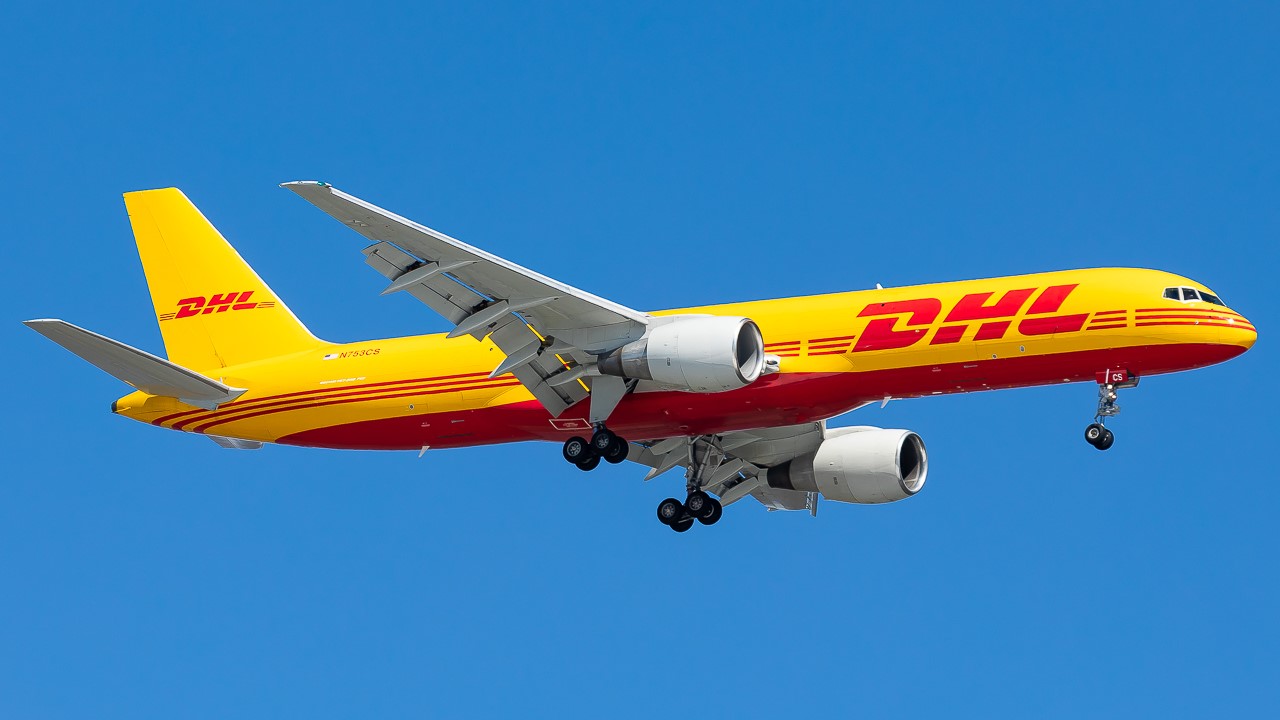
In a strategic maneuver poised to dramatically reshape its operational footprint, 21 Air is reportedly setting its sights on a substantial expansion into the long-haul international cargo sector. The airline is said to be pursuing the acquisition of Boeing 777 freighter aircraft, a move that would significantly upscale its current capabilities and allow it to compete within the upper echelons of the global air cargo industry. This ambitious initiative is unfolding concurrently with a pivotal period of leadership succession and investor recalibration within the company, suggesting a concerted effort to position 21 Air for a new chapter of growth and market penetration.
The reported intentions underscore a notable shift in 21 Air's business model, signaling a departure from its existing operational scope towards a more expansive, globally oriented strategy. The air cargo market, particularly the long-haul segment, remains a critical artery for international trade, driven by e-commerce demands and the intricate supply chains supporting diverse industries. By committing to the larger capacity of Boeing 777 freighters, 21 Air aims to directly tap into this high-volume, high-value market, moving beyond regional or feeder services to become a direct competitor for major global logistics providers.
Strategic Upscaling and Market Entry
The transition to Boeing 777 freighters represents a significant capital investment and a substantial operational undertaking for 21 Air. The 777F, known for its extensive range and impressive payload capacity, is a cornerstone of many top-tier cargo airlines' fleets, enabling direct, non-stop flights across continents. This capability would allow 21 Air to offer more competitive transit times and greater flexibility to shippers requiring urgent or high-value cargo deliveries over long distances. The move indicates a clear intent to challenge established players in the international express and heavy-lift cargo domains.
Driving this strategic pivot is an ongoing leadership transition within 21 Air, which typically presages significant directional changes for an organization. New leadership often brings fresh perspectives and aggressive growth strategies, and the reported plans for fleet modernization and market expansion align with such a scenario. Simultaneously, a concurrent investor transition suggests that new capital or refreshed investor confidence is being injected into the company, providing the financial impetus required for such a large-scale fleet acquisition and operational revamp.
Industry Impact and Competitive Landscape
The potential entry of a new, well-equipped player into the long-haul cargo market could introduce fresh competitive dynamics. While the global air freight industry is dominated by a few colossal carriers, new entrants with modern, efficient aircraft like the 777F can carve out market share, particularly if they target underserved routes or offer specialized services. Existing cargo carriers might need to reassess their strategies, potentially leading to increased competition on key international lanes and possibly influencing pricing structures in specific niches.
This expansion comes at a time when global supply chains are still adapting to post-pandemic shifts. While the frantic pace of pandemic-era cargo demand has somewhat normalized, the underlying growth drivers – particularly e-commerce and the diversification of manufacturing bases – continue to fuel a robust demand for air freight services. 21 Air's timing for this strategic pivot could be propitious, positioning it to capture a growing share of this resilient market.
Operational Challenges and Future Outlook
While the strategic rationale appears sound, the operational challenges associated with transitioning to larger aircraft and entering new market segments are substantial. These include securing necessary regulatory approvals for expanded international operations, establishing new ground handling agreements at major international hubs, and attracting and training the specialized personnel required to operate and maintain Boeing 777 aircraft. Furthermore, building a robust sales network and forging relationships with global freight forwarders will be crucial for the successful execution of this ambitious plan.
Looking ahead, the coming months will likely reveal more specific details regarding 21 Air's fleet acquisition timeline, targeted routes, and proposed operational structure. The success of this reported endeavor will hinge not only on the availability of capital and aircraft but also on the airline's ability to effectively manage the complex logistics of international air cargo and differentiate itself in a highly competitive arena. The strategic convergence of new leadership, investor interest, and a clear vision for fleet modernization positions 21 Air at a critical juncture, with potentially transformative implications for its future trajectory in the global air cargo landscape.