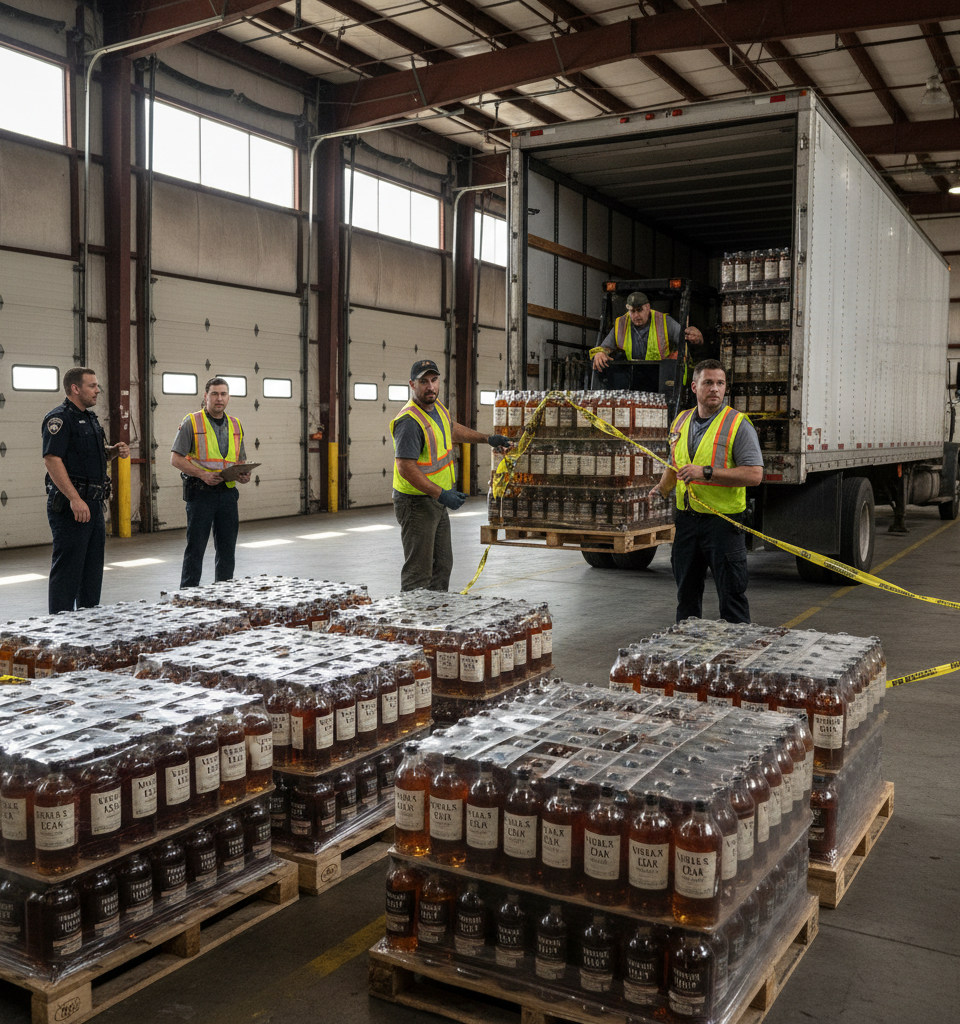
A substantial freight of Noble Oak Bourbon, estimated at around 10,800 bottles and carrying a market value of $500,000, was allegedly stolen through what authorities describe as a sophisticated carrier impersonation scheme. The incident underscores a concerning shift in cargo theft methodologies, moving away from violent hijackings towards more deceptive tactics that leverage vulnerabilities within logistics operations.
This particular theft exemplifies an increasingly prevalent tactic used by criminal organizations to infiltrate supply chains without resorting to overt force. Instead, perpetrators are suspected of posing as authorized transportation representatives, utilizing what appears to be legitimate shipment information to gain control of valuable cargo. This method bypasses conventional security measures designed to deter physical theft, raising new challenges for logistics and law enforcement agencies.
The alleged scheme reportedly involved individuals presenting themselves as the designated carriers for the bourbon shipment. By successfully impersonating official personnel, these suspects were able to pick up the freight, which consists of a considerable volume of premium liquor, without arousing immediate suspicion. The sheer value of the stolen goods — half a million dollars — indicates a well-coordinated effort targeting high-value commodities often transported across lengthy supply routes.
The incident with the Noble Oak Bourbon follows a broader pattern observed across the logistics industry. Industry experts note that carrier impersonation fraud has become a significant concern, enabling criminals to obtain goods by exploiting gaps in verification processes and relying on the high-volume, fast-paced nature of freight movement. This type of theft often involves thorough research by criminal groups into a shipment's legitimate details, including pickup times, locations, and freight specifications.
This sophisticated approach demands a re-evaluation of current security protocols within the transportation sector. Companies are increasingly urged to implement more rigorous identity verification procedures for carriers, enhance communication between shippers and receivers, and utilize advanced tracking technologies. The economic impact of such thefts extends beyond the immediate loss of goods, encompassing insurance premiums, reputational damage, and potential disruptions to product availability for consumers.
The alleged theft of the Noble Oak Bourbon also brings into focus the vulnerability of luxury goods in transit. High-end alcoholic beverages, given their considerable value and global demand, are frequently targeted by organized crime. The non-violent nature of this particular alleged scheme could suggest an attempt to minimize risks for the perpetrators while maximizing their illicit gains, making it a particularly insidious threat.
Looking ahead, the freight industry is expected to double down on efforts to combat these evolving threats. This includes investing in enhanced digital security measures to protect shipping data, improving due diligence in vetting transportation partners, and fostering greater collaboration between industry stakeholders and law enforcement to share intelligence on emerging theft patterns. The ability to quickly identify and respond to impersonation attempts will be crucial in mitigating future losses.
The ongoing investigation into the alleged Noble Oak Bourbon theft will likely provide further insights into the specific methods employed by the criminals. The outcome of this case could significantly influence how logistics companies adapt their security frameworks to defend against increasingly cunning and sophisticated cargo theft operations that rely on deception rather than brute force. The incident serves as a stark reminder of the persistent and evolving challenges facing the global supply chain.