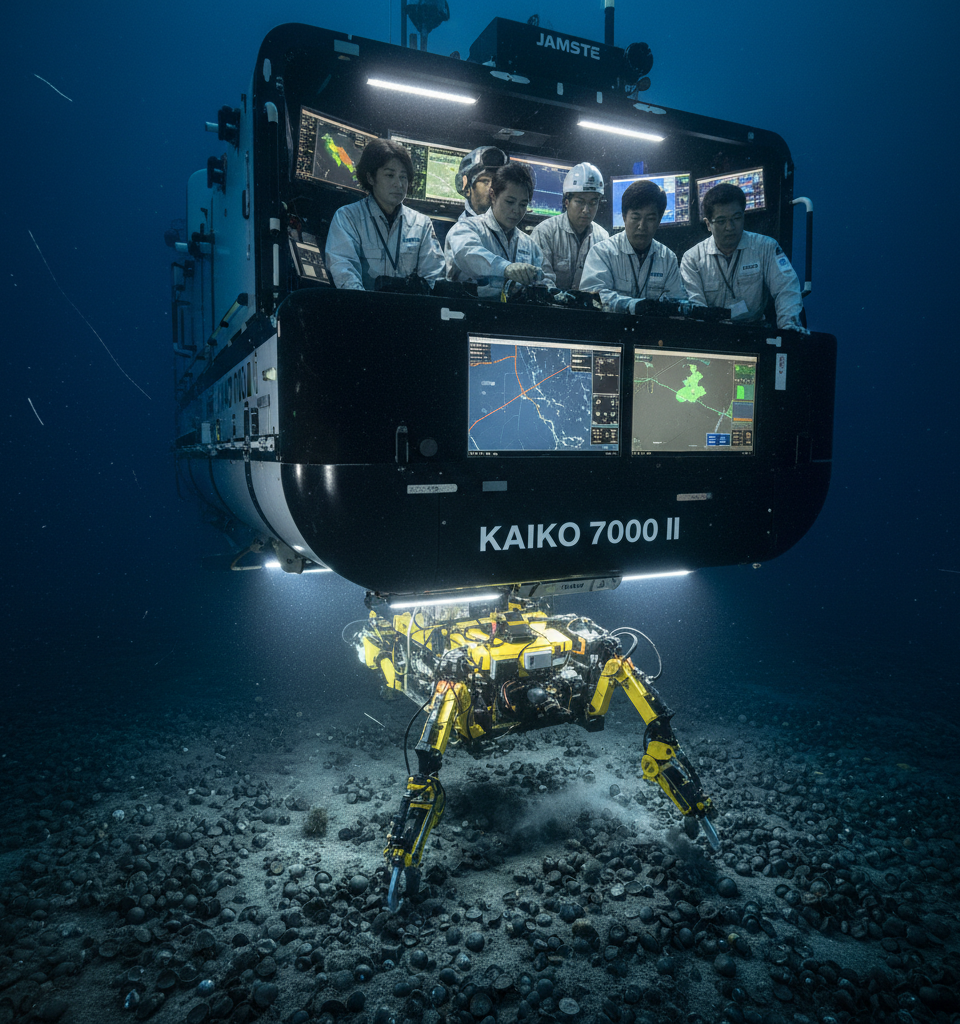
Tokyo's ambitious initiative to secure rare earth elements — vital for a myriad of high-tech applications from electric vehicles to defense systems — appears to be achieving what many nations have struggled with: significantly reducing its dependency on China. The cornerstone of this endeavor is the monumental discovery of an extensive rare earth deposit situated approximately 6,000 meters beneath the Pacific Ocean, near a remote Japanese island. This deep-sea find represents a potential paradigm shift in the global rare earth supply landscape, positioning Japan as a formidable player in a market currently dominated by Beijing.
For decades, China has maintained a near-monopoly on rare earth production and processing, a position that has frequently raised concerns about supply chain vulnerabilities and geopolitical leverage. Nations worldwide, particularly those with advanced manufacturing sectors, have grappled with the challenge of diversifying their rare earth sources. Japan, a leading technological power, has been acutely aware of this vulnerability. The newly identified deep-sea reserves offer a strategic pathway to establishing a resilient and independent supply chain, providing a crucial alternative to China's dominant position.
Unlocking Deep-Sea Riches
The full extent and economic viability of extracting rare earths from this deep-sea location are still being assessed, but preliminary indications suggest a deposit of unprecedented scale. The technical challenges of mining at such depths are considerable, requiring advanced robotic systems and specialized infrastructure capable of operating under immense pressure and in extreme conditions. Japan has been at the forefront of deep-sea exploration and mining research, investing heavily in the technologies necessary to access these underwater riches. This long-term commitment is now poised to yield significant strategic dividends, turning a geological bounty into a geopolitical asset.
Securing a stable supply of rare earths is not merely an economic imperative for Japan; it is a matter of national security. These elements are indispensable components in modern electronics, renewable energy technologies, and sophisticated weaponry. By developing its domestic rare earth supply chain, Japan aims to mitigate the risks associated with potential supply disruptions, price volatility, and geopolitical tensions. This strategic autonomy would allow Japanese industries to innovate and compete globally without the constant apprehension of external supply constraints. The project represents a significant step towards self-sufficiency in a critical resource area.
Strategic Implications for Global Markets
The implications of Japan successfully tapping into this deep-sea resource extend far beyond its national borders. A new, independently controlled source of rare earths could inject much-needed competition into the global market, potentially leading to more stable pricing and greater diversification for international buyers. Other nations, currently reliant on Chinese rare earths, will be closely observing Japan's progress. Success in this endeavor could inspire further investment in deep-sea mining technologies and exploration efforts in other parts of the world, fostering a more multipolar rare earth supply architecture.
The development also sends a clear signal about the future of resource acquisition. As terrestrial deposits become scarcer or more politically challenging to access, the vast unexplored expanses of the ocean floor are emerging as a new frontier for critical minerals. Japan's pioneering efforts in deep-sea rare earth extraction could serve as a blueprint for future resource development, although it also raises important questions about environmental stewardship and the long-term ecological impact of such operations. Strict regulatory frameworks and sustainable practices will be paramount to ensuring responsible deep-sea mining.
The Road Ahead for Japan's Rare Earth Ambitions
While the discovery marks a significant milestone, the path to full commercial extraction and processing remains complex. Japan faces the daunting task of scaling up its technological capabilities, refining extraction methods to maximize efficiency and minimize environmental footprint, and establishing the necessary processing infrastructure. This will require substantial continued investment, collaborative research, and robust policy support. The Japanese government's commitment to this project underscores its national strategic importance, with long-term planning and dedicated funding expected to drive progress.
The initiative also presents an opportunity for international collaboration, particularly with countries that share Japan's interest in diversifying rare earth supplies. Partnerships focused on technology development, environmental impact assessments, and market access could further accelerate the project's timeline and broaden its global benefits. As the world navigates an increasingly complex geopolitical and economic landscape, Japan's bold move to leverage its deep-sea rare earth reserves stands as a testament to its proactive approach in securing its economic future and enhancing its technological leadership on the global stage.