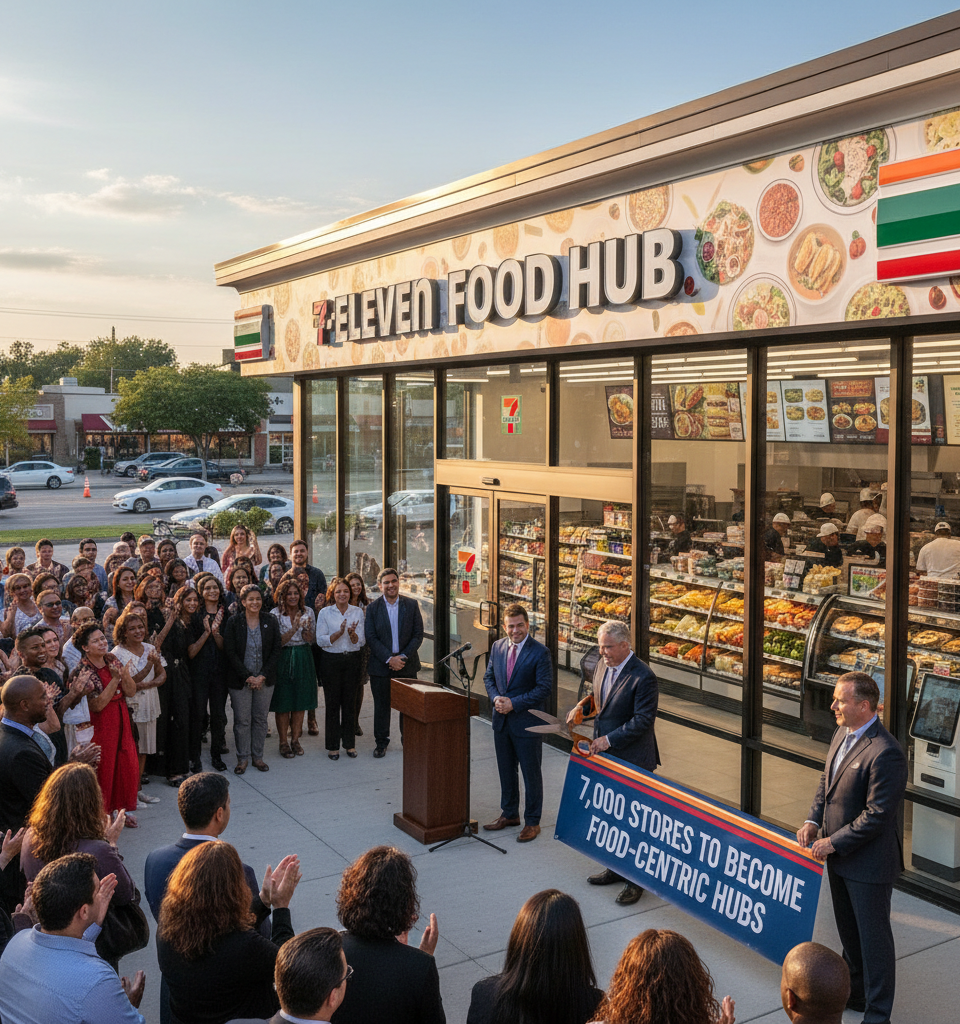
7-Eleven, Inc. is embarking on a monumental multi-year initiative to remodel and modernize approximately 7,000 of its stores across North America, focusing on an expanded, food-centric retail experience. This strategic overhaul, which is already underway in select locations, seeks to elevate the brand's competitive edge by offering an enhanced array of fresh food options, advanced technology, and a more contemporary shopping environment.
This aggressive push into prepared foods and larger store formats is a direct response to changing consumer preferences and an increasingly competitive retail landscape. Historically, convenience stores have primarily served as quick stops for fuel, tobacco, and packaged goods. However, with grocers and quick-service restaurants encroaching on convenience territory, 7-Eleven is strategically pivoting to capture a larger share of the prepared food market, a sector that has seen consistent growth, particularly in on-the-go consumption.
Key Details of the Transformation
The modernized stores will feature expansive food service areas, offering a wider selection of hot and cold prepared items, including custom-made beverages, fresh sandwiches, salads, and more robust hot food programs. The new layouts are designed to improve traffic flow and showcase these new offerings prominently. While specific financial figures for the total investment have not been publicly disclosed, industry analysts estimate the cost per store remodel could range from $250,000 to over $1 million, depending on the extent of the renovation and the addition of new equipment, projecting a multi-billion dollar total investment from the company. The program aims for staggered completion over the next several years, with specific timelines for all 7,000 locations yet to be fully detailed.
Industry and Market Impact
This extensive modernization program is poised to send ripples throughout the convenience store and quick-service restaurant sectors. By upgrading its food offerings and store aesthetics, 7-Eleven directly challenges fast-casual eateries and traditional quick-service chains, potentially drawing away customers seeking quality, speed, and convenience. Competitors like Circle K, Casey's General Stores, and even some supermarket chains with robust grab-and-go options will be compelled to re-evaluate their own strategies to retain market share. The move also signals a broader trend in retail towards experiential shopping and enhanced fresh food availability, blurring the lines between different retail formats.
Expert Perspectives Retail analysts view 7-Eleven's initiative as both necessary and strategically sound.
"This isn't just a refresh; it's a fundamental repositioning," comments Dr. Eleanor Vance, a retail strategy consultant. "The convenience store segment has been commoditized for too long. By investing heavily in food service, 7-Eleven is not only aiming for higher-margin sales but also building customer loyalty through a differentiated experience. The key will be consistent quality across thousands of diverse locations, which is a significant operational challenge." Others emphasize the importance of technology integration, noting that successful remodels will likely incorporate self-checkout options, enhanced loyalty programs, and possibly even delivery services to fully capitalize on the new food-centric model.
The Road Ahead
Looking forward, the successful execution of this ambitious plan will depend on several factors, including supply chain efficiency for fresh ingredients, effective staff training for new food preparation methods, and accurate identification of local consumer preferences for specific food offerings. 7-Eleven's commitment to innovation extends beyond just physical remodels; the company is also exploring advanced data analytics to personalize consumer experiences and optimize inventory management for perishable goods. This transformative period for 7-Eleven is set to redefine what consumers can expect from their local convenience store, solidifying its position as a go-to destination not just for a quick stop, but for a quality meal on the go. The widespread rollout will likely feature a phased approach, starting with high-traffic urban and suburban locations, gradually extending to a broader network. The company's ability to adapt its new format to diverse demographics and competitive landscapes will be crucial in determining the long-term success and return on investment for this massive undertaking. As the remodels progress, other industry players will closely watch for shifts in consumer behavior and market dynamics, potentially triggering a broader wave of modernization across the convenience retail sector.