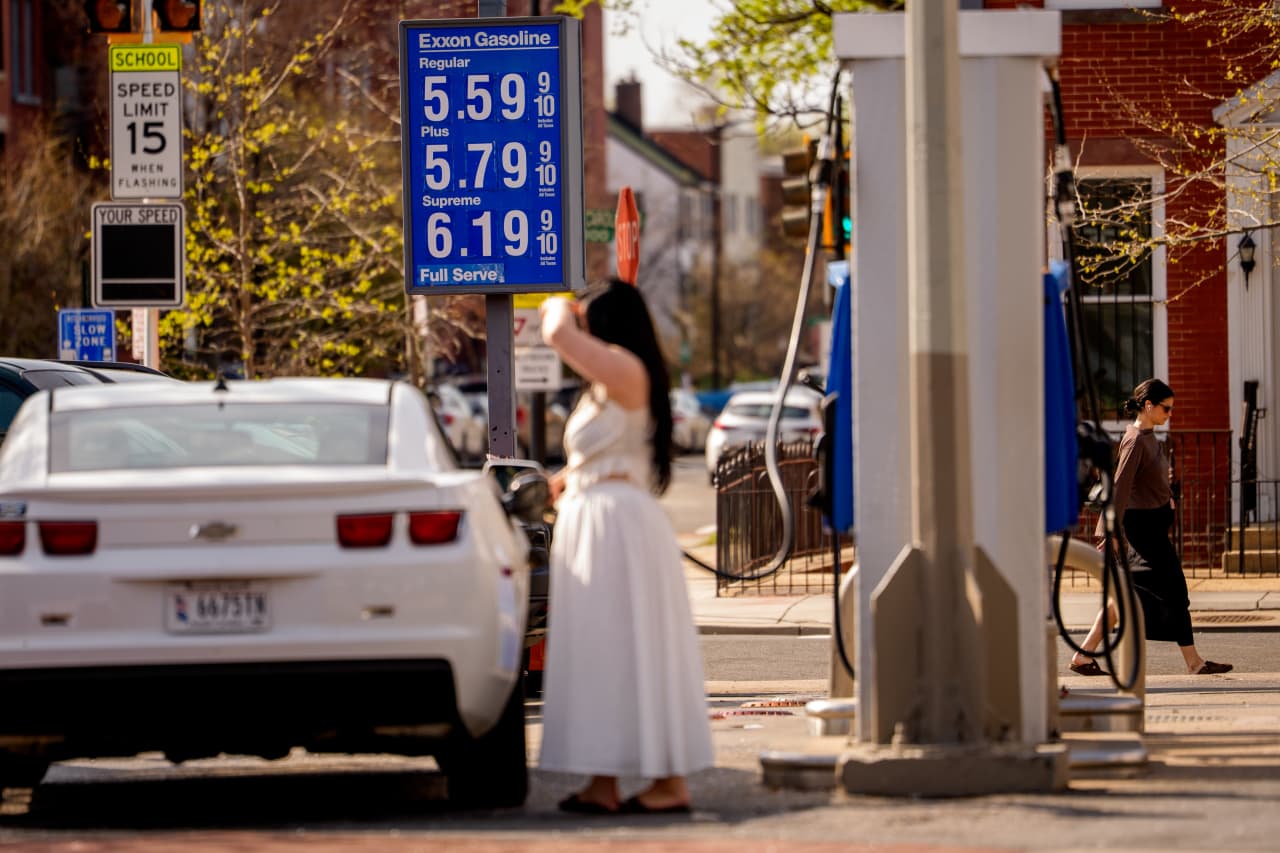
As the U.S. economy navigates a complex period of shifting inflationary pressures and market volatility, new analyses indicate that a sustained fall in the stock market may present a more profound threat to economic stability than persistently high gasoline prices. This assessment, rooted in the concept of the wealth effect, suggests that fluctuations in household asset values could exert a disproportionately larger influence on consumer behavior.
Historically, rising gas prices have often been cited as a primary driver of consumer belt-tightening and broader economic slowdowns. However, the current economic landscape highlights the potent, albeit often subtler, impact of stock market performance on household wealth and, consequently, spending patterns. A significant erosion of investment portfolios could lead to a more severe contraction in discretionary spending compared to the direct hit from higher fuel costs at the pump.
The Wealth Effect: A Deeper Economic Dive
The wealth effect posits that consumers tend to spend more when their assets, such as stocks and real estate, increase in value, and conversely, reduce spending when these assets decline. For many American households, particularly those with significant retirement savings or investment accounts, a substantial portion of their perceived wealth is tied to the performance of the stock market. A sustained downturn could therefore trigger a widespread feeling of financial insecurity, leading to reduced purchases of everything from durable goods to services.
While the direct impact of high gas prices is immediate and visible in household budgets, its effect is often concentrated on transportation and related sectors. The wealth effect, however, has a broader reach, influencing overall consumer confidence and willingness to spend across virtually all economic sectors. Families seeing their 401(k)s diminish may postpone major purchases, such as new vehicles or home renovations, or even cut back on non-essential expenditures like dining out and entertainment, creating a ripple effect through the economy.
Broader Implications for Market and Policy
The potential for a stock market decline to overshadow inflation at the pump carries significant implications for financial markets and economic policymaking. Investors might increasingly scrutinize market valuations and corporate earnings reports, seeking signals of resilience or vulnerability in the face of broader economic headwinds. Companies heavily reliant on consumer spending, especially those in discretionary sectors, could face heightened pressure on their revenue forecasts if the wealth effect leads to a significant pullback.
Policymakers, including the Federal Reserve, typically monitor a wide array of economic indicators when making decisions about interest rates and monetary policy. This evolving perspective suggests that the health of the stock market, and its potential impact on consumer sentiment, may warrant even greater attention. While controlling inflation remains a key objective, mitigating a significant stock market-induced contraction in spending could become an equally pressing concern.
What's Next for Consumer Spending
Looking ahead, the trajectory of the U.S. economy may hinge significantly on the performance of equity markets. Should the stock market experience a protracted period of decline, economists predict a potential deceleration in consumer spending that could exceed previous downturns driven primarily by energy price shocks. Households may prioritize saving and debt reduction over consumption, further dampening economic activity.
Businesses are likely to monitor stock market indices closely, as these will serve as a crucial barometer of future consumer demand. Sectors such as retail, automotive, and hospitality could be particularly susceptible to adverse shifts in the wealth effect. The interplay between inflation, interest rates, and market performance will continue to define the economic narrative, with the strength of the stock market potentially acting as a more potent determinant of consumer spending than previously acknowledged.