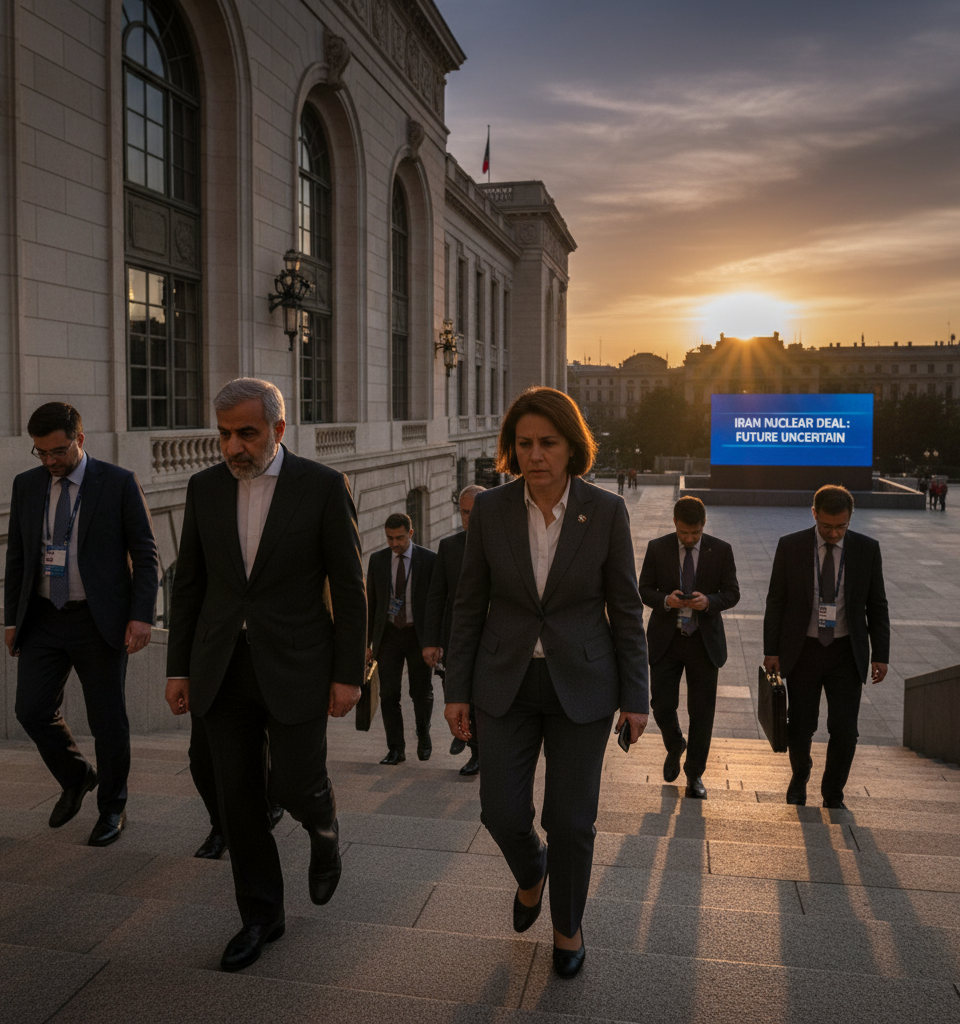
Following a concentrated 21-hour period of diplomatic engagement, talks aimed at de-escalating the decades-long hostility between Iran and the United States have concluded without a definitive breakthrough. The lack of a resolution after such an extended session underscores the profound complexities and deep-seated issues that have characterized the relationship between the two nations since 1979.
Decades of Discord Persist
The inability to bridge the divide, even after extensive dialogue, highlights the deeply entrenched geopolitical and ideological disparities that have fueled nearly half a century of antagonism. This protracted state of unresolved conflict has far-reaching implications, not only for the two countries involved but also for the broader Middle East and global diplomatic efforts. Stability in the Persian Gulf region, a critical nexus for international trade and energy, remains particularly vulnerable to the ongoing tensions.
The discussions, described as intense by observers, were an attempt to find common ground on a myriad of contentious issues, ranging from Iran's nuclear program and regional influence to economic sanctions imposed by the US. The fact that the talks spanned nearly a full day without yielding a tangible outcome suggests the sheer magnitude of the disagreements and the substantial chasm between the negotiating positions of Tehran and Washington. Veteran BBC correspondent Lyse Doucet succinctly captured the sentiment, noting that the session was ultimately insufficient to overcome 47 years of animosity.
Implications for Regional Stability
The immediate aftermath of these stalled talks presents a critical juncture for both nations and their allies. Without a clear path to de-escalation, the potential for renewed tensions or even unintended confrontations in key strategic areas remains elevated. International shipping lanes, energy markets, and the stability of neighboring states are all subject to the ripple effects of this unresolved diplomatic stalemate. Regional actors, who often find themselves caught between the competing interests of Iran and the US, are likely to continue to navigate an environment of uncertainty and heightened risk.
Industry and market impacts are already being anticipated. Global oil prices, for instance, often react sensitively to geopolitical developments in the Middle East, and prolonged uncertainty regarding Iran could introduce volatility. Investors and businesses with interests in the region will be closely monitoring any developments, prepared to adjust their strategies based on the evolving security and political landscape. The failure to achieve a diplomatic resolution could also affect various international trade agreements and collaborations that rely on regional stability.
The Path Forward: Scenarios and Challenges
The key question now confronting policymakers and analysts is undeniably, 'what happens next?' Several scenarios are being considered within diplomatic circles. One possibility is a recalibration of strategies by both sides, potentially leading to further, albeit perhaps more subtly conducted, negotiations in the future. Another could be a period of sustained impasse, with both nations continuing to engage in a policy of strategic patience or, conversely, increased pressure tactics. The risk of proxy conflicts or heightened military posturing cannot be entirely discounted, particularly if diplomatic channels remain ineffectual.
Looking ahead, the near-term implications involve a continued focus on monitoring Iran's nuclear activities and its regional foreign policy. International bodies and allied nations will likely intensify their supervisory roles and diplomatic outreach in an effort to prevent any escalation. The United States, having invested considerable diplomatic capital in these direct talks, will need to reassess its engagement strategy. Similarly, Iran will contemplate its next moves, weighing internal economic pressures against its stated foreign policy objectives. The protracted nature of this diplomatic challenge suggests that resolution will require patience, flexibility, and perhaps, a fundamental shift in approach from both Washington and Tehran.