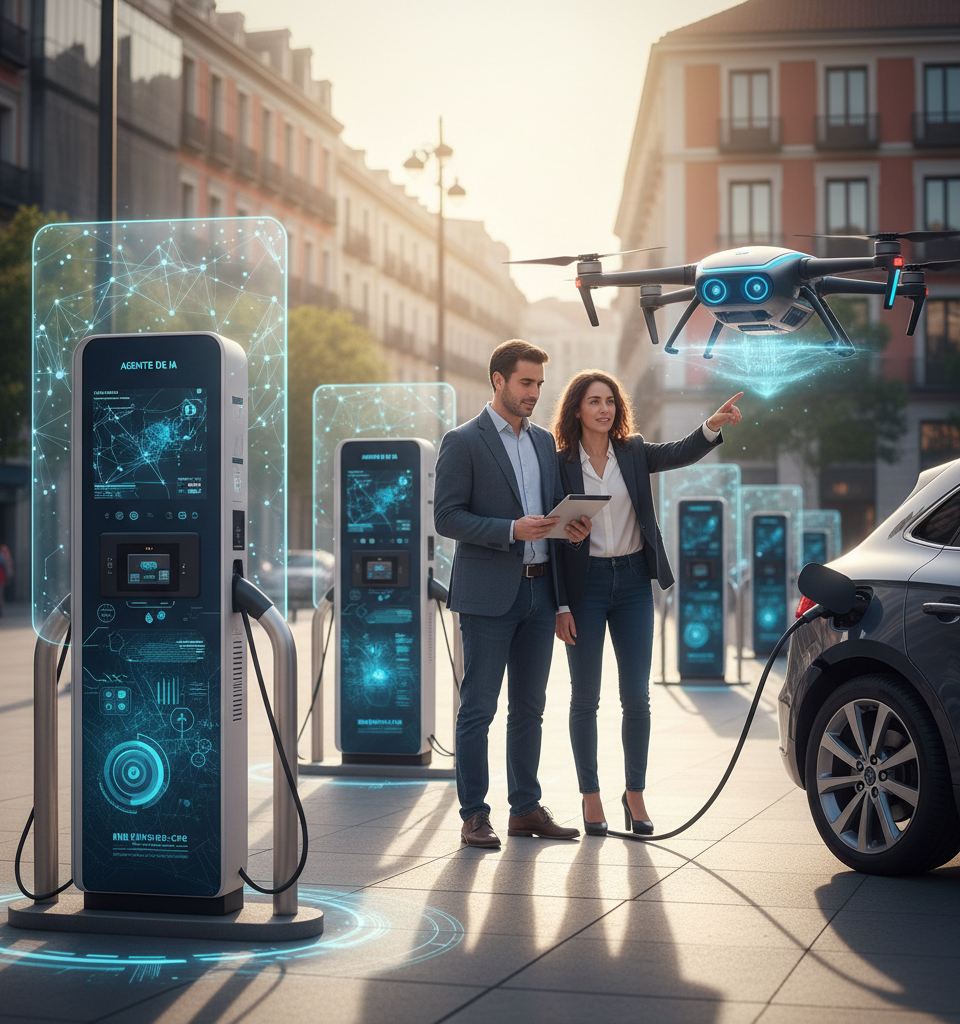
A novel AI agent system, conceptualized by researchers in Spain, promises to usher in a new era of security for the burgeoning electric vehicle charging network. The proposed framework targets the dual threats of energy theft and physical damage to EV chargers, extending its protective sweep to the fundamental energy infrastructure that powers these stations. This development surfaces as the global push for EV adoption intensifies, spotlighting the critical need for robust and resilient charging solutions.
The increasing proliferation of electric vehicles necessitates a commensurate expansion of charging infrastructure. However, this growth also introduces vulnerabilities, ranging from malicious tampering to unauthorized energy consumption. The Spanish researchers' proposal seeks to address these challenges head-on by integrating intelligent AI agents into the operational fabric of charging stations. This proactive defense mechanism aims not only to deter illicit activities but also to minimize potential disruptions to the energy supply chain, ensuring consistent and reliable charging for users.
The core of the proposed system revolves around a network of AI agents capable of continuous monitoring, anomaly detection, and predictive analysis. These agents would employ advanced algorithms to identify unusual patterns in energy consumption, such as sudden spikes or prolonged unauthorized usage that could indicate theft. Furthermore, they would be equipped to detect physical intrusions, vandalism, or other forms of damage to charging units through integrated sensors and surveillance data. By identifying these threats in real-time, the system could trigger immediate alerts to operators and, potentially, implement automated countermeasures.
The broader implications for the energy sector are significant. Protecting EV charging infrastructure is not merely about safeguarding individual units; it is about preserving the integrity of the entire grid. A widespread attack or systematic theft could place undue strain on local grids, potentially leading to power outages or destabilizing the energy supply for other critical services. By securing charging points, the AI agent system implicitly contributes to the overall stability and reliability of the electrical grid, a vital component of modern societal function.
While the research originates from Spain, the challenges it addresses are global. As nations around the world commit to decarbonization and the transition to electric mobility, the security of charging infrastructure becomes a paramount concern. This proposed AI solution represents a forward-thinking approach to mitigating risks that could otherwise undermine public confidence in EV technology and hinder its widespread adoption. It underscores a growing recognition within the research community that cybersecurity and physical security must evolve in tandem with technological advancements.
Looking ahead, the next phase would likely involve prototype development and real-world pilot programs to validate the system's effectiveness. Researchers would need to test its resilience against various attack vectors and optimize its detection capabilities in diverse operational environments. Collaboration with EV charger manufacturers, energy providers, and cybersecurity experts would be crucial to refine the system and integrate it seamlessly into existing and future infrastructure. The successful deployment of such an AI security framework could set a new benchmark for protecting smart city infrastructure and critical public utilities.
Ultimately, the proposed AI agent system from Spain offers a glimpse into the future of secure and resilient electric vehicle charging. By leveraging artificial intelligence to proactively identify and mitigate threats, it promises to enhance the reliability of EV infrastructure and contribute significantly to the broader energy security landscape. This proactive approach could be instrumental in fostering greater trust among consumers and accelerating the global shift towards sustainable transportation solutions.