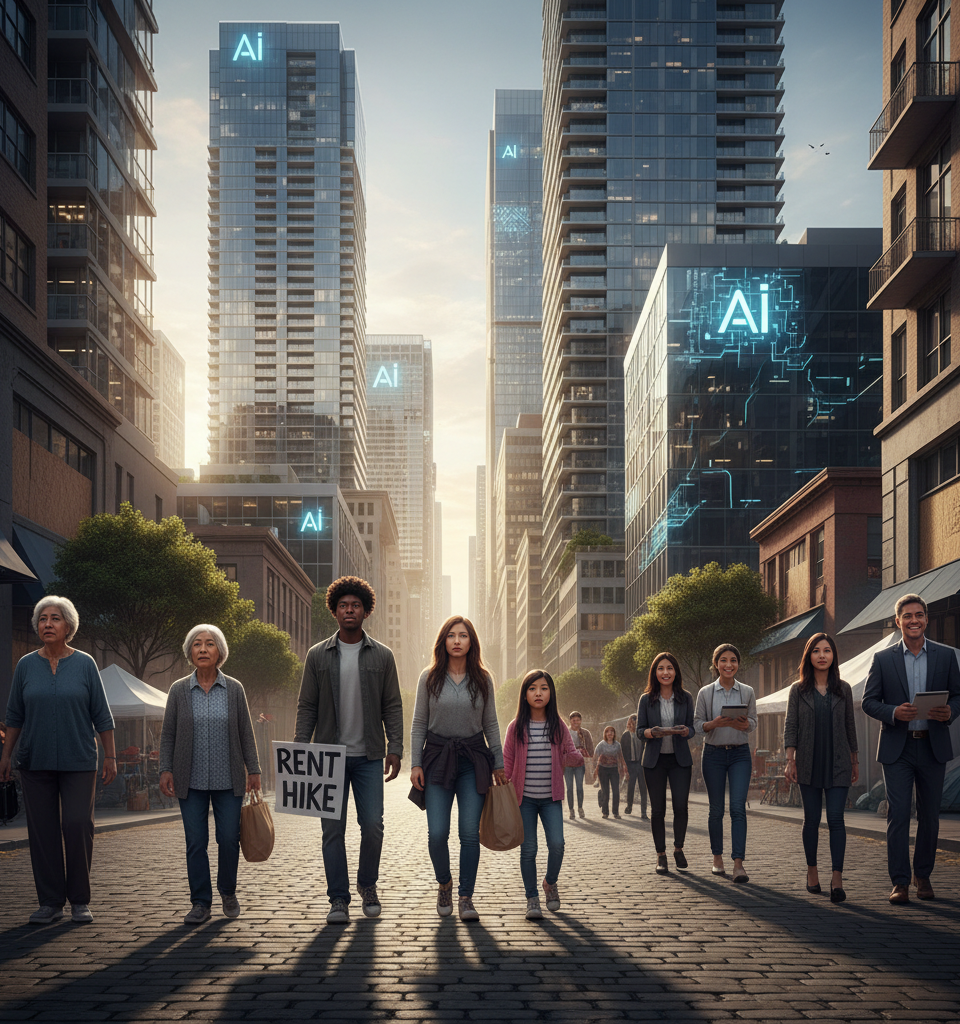
San Francisco, a city synonymous with technological leaps and entrepreneurial dreams, is currently experiencing a profound economic polarization driven by the burgeoning artificial intelligence industry. This rapid influx of AI-fueled wealth is exacerbating an already pre-existing K-shaped economic recovery, creating a dramatic chasm between an elite class of 'have-mores' benefiting immensely from the boom and a struggling majority facing unprecedented cost-of-living pressures and a palpable sense of alienation. The city's famed innovative spirit is now laced with a growing undercurrent of resentment and social unrest, as the benefits of this latest tech wave appear increasingly concentrated at the top.
Historically, San Francisco has been a crucible for transformative technologies, from the Gold Rush of 1849 to the dot-com boom of the late 20th century. Each era brought with it waves of prosperity but also periods of rapid social and economic dislocation. The current AI boom, characterized by a staggering surge in valuations for companies like OpenAI, Anthropic, and Google DeepMind, is following a similar, yet arguably more accelerated, pattern. Venture capital funding for AI startups in the Bay Area alone reached over $25 billion in 2023, a significant portion of a near-record $42.5 billion invested globally, according to PitchBook data. This capital infusion translates into astronomical salaries and equity stakes for a specialized workforce, driving up demand for luxury goods, premium services, and real estate to unprecedented levels.
Within this new economy, the median household income in San Francisco, already among the highest in the nation, continues to climb for those in the high-tech sector, often exceeding $250,000 annually for experienced AI engineers. Concurrently, the median rent for a one-bedroom apartment has skyrocketed to over $3,000, forcing out essential workers, artists, and even established middle-class families. "It feels like a new gold rush, but this time, the gold is in algorithms, and only a select few are holding the pickaxes," remarked Maria Hernandez, a long-time restaurant owner now contemplating closing her business due to rising operational costs and staffing shortages. The city's homeless population, already a pressing issue, sees little relief, highlighting the stark contrast between immense wealth creation and persistent social challenges.
The broader industry impact is multi-faceted. The AI boom is attracting top global talent, further solidifying San Francisco's position as a global tech hub. However, this also creates an intensified demand for limited resources, from housing to public transportation. Non-tech businesses, from retail to hospitality, struggle to retain employees who can no longer afford to live within reasonable commuting distance. This creates a service gap and an increasingly homogeneous social fabric, as diversity, both economic and cultural, is eroded. The influx of AI companies and their highly compensated employees also places immense strain on the city's infrastructure and public services, from schools to sanitation, without always contributing proportionally to the tax base, especially given tax incentives often extended to burgeoning industries.
Economists and urban planners are closely monitoring the situation, with many drawing parallels to previous tech booms but noting the increased velocity and specialization of the current wealth generation. Dr. Eleanor Vance, an urban economics professor at UC Berkeley, noted, "The AI boom is not just creating wealth; it's creating hyper-concentrated wealth with relatively fewer direct job benefits across the broader economy compared to, say, manufacturing. This exacerbates income inequality at an alarming rate, posing significant challenges for social cohesion and long-term urban sustainability." Experts suggest that without proactive policy interventions, San Francisco risks becoming a gilded cage for the ultra-wealthy, unsustainable for anyone else.
Looking ahead, San Francisco faces a critical juncture. The city government is grappling with how to effectively tax and regulate this new wave of wealth to fund affordable housing initiatives, improve public services, and support a more equitable distribution of prosperity. Discussions are underway regarding updated zoning laws, potential wealth taxes, and increased investment in public transportation and social welfare programs. However, political gridlock and strong lobbying efforts from the tech industry often complicate these efforts. The outcome of these policy debates will not only determine the future character of San Francisco but could also serve as a blueprint, or a cautionary tale, for other cities globally experiencing similar tech-driven economic transformations.
Ultimately, the tale of two booms in San Francisco—one of unprecedented AI success, the other of escalating urban challenges—underscores a fundamental tension in modern capitalism. How a city renowned for innovation reconciles immense private sector gains with pervasive public sector needs will be a crucial test, offering insights into the broader societal implications of the artificial intelligence revolution reshaping our world.