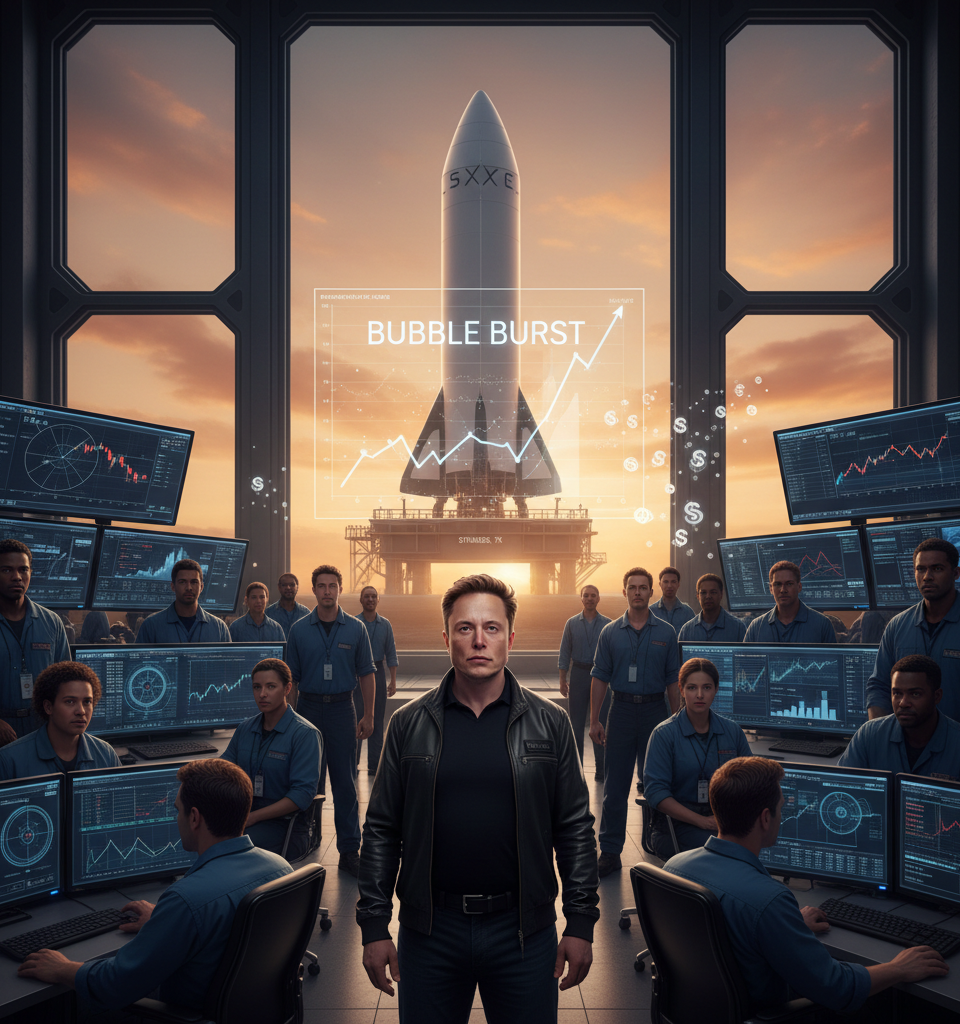
As SpaceX reportedly prepares to price the largest stock-market debut in history this week, an undercurrent of nervousness is palpable in the broader market, driven not by the aerospace giant's impending listing, but by mounting concerns surrounding artificial intelligence. This convergence of a monumental IPO and rising trepidation about AI's valuation signifies what many observers believe is the first serious examination of the dominant market trend of the past two years.
Shifting Market Dynamics
The AI trade has been a primary catalyst for global market buoyancy for approximately two years, propelling valuations and investor confidence. However, a series of concurrent warning signals are now prompting a reassessment of this sustained rally. The market's reaction to these signals, coinciding with a high-profile event like SpaceX's IPO, will likely offer critical insights into the resilience and future direction of tech-driven investments. Investors and analysts are closely monitoring these developments, acutely aware that a significant correction in the AI sector could have widespread repercussions.
The AI Conundrum
The rising apprehension centers on fears that the valuations of many AI-related companies may be inflated, creating a speculative bubble. While the technological advancements in AI are undeniable and its potential transformative impact widely acknowledged, a disconnect might be emerging between fundamental business metrics and market expectations. This dynamic has historically preceded periods of market correction, making the current environment particularly sensitive. The precise nature of these "warning lights" is not detailed in the original report, but they collectively suggest a growing unease among market participants regarding the sustainability of current AI sector valuations.
Broader Market Implications
The potential for an AI-driven market correction extends beyond the technology sector itself. Given the significant role AI investments have played in global equities, any downturn could ripple across various industries, affecting investor sentiment and capital allocation. The simultaneous occurrence of a historic IPO like SpaceX's, while ostensibly unrelated to the AI market, creates a fascinating contrast. On one hand, it represents a continued appetite for groundbreaking innovation and high-growth ventures; on the other, it takes place against a backdrop of increasing caution regarding another, equally transformative, technological wave.
A Test for Two Years of Growth
For the past two years, the AI trade has served as a bedrock for market expansion, attracting substantial capital and driving considerable wealth creation. The current environment, characterized by both unprecedented market debut and widespread valuation concerns, represents a pivotal moment. The outcome of this "test" — how markets absorb these warning signals and whether AI valuations can withstand increased scrutiny — will likely dictate the trajectory of global markets for the foreseeable future. A significant re-evaluation of AI stocks could slow down, or even reverse, some of the gains experienced since early 2024.
Looking Ahead
The coming weeks are expected to be crucial as investors digest these dual influences. The performance of SpaceX's IPO will undoubtedly draw attention, showcasing investor conviction in long-term, capital-intensive ventures. Simultaneously, the market's response to the various "warning lights" in the AI sector will provide clarity on the health and sustainability of the broader technology rally. Analysts will be scrutinizing earning reports, investment trends, and any policy shifts that might influence the AI landscape. The key question remains whether these economic shifts represent a temporary market adjustment or the precursor to a more significant re-calibration of the technology sector.