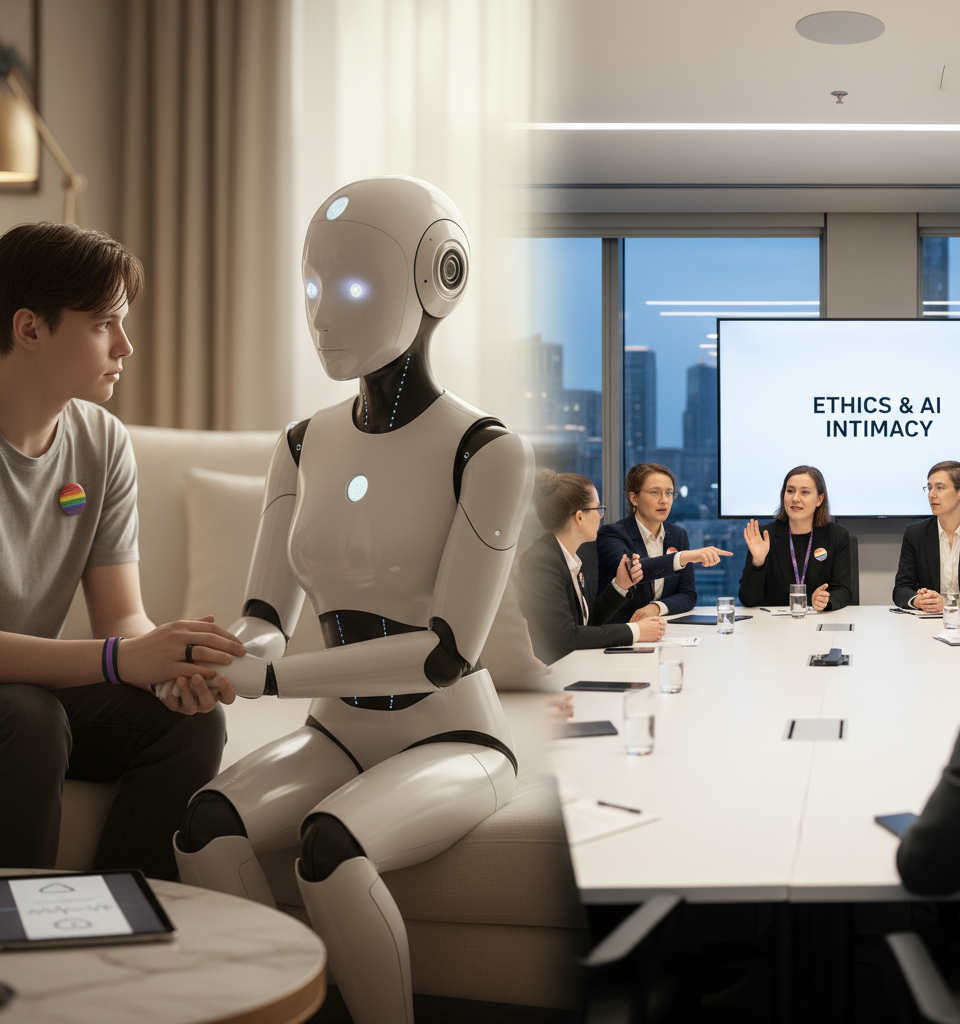
In a burgeoning phenomenon gaining traction among niche communities, some asexual individuals are increasingly engaging with artificial intelligence companions to fulfill needs for emotional connection and intimacy, deliberately sidestepping sexual dimensions. This emerging practice highlights a novel application of AI technology, offering a non-sexual outlet for personal connection and psychological comfort. The trend, while providing unique avenues for individuals, is simultaneously generating considerable discussion and division among asexual advocates regarding the implications of such associations.
The Rise of Digital Companionship
The burgeoning AI companion market, initially popularized for general companionship and often with romantic or sexual overtones, is now finding a distinct user base within the asexual community (Ace, or Aces). These individuals, experiencing little to no sexual attraction, are reportedly utilizing advanced chatbots to engage in deeply personal role-play scenarios and conversations. One artist, speaking anonymously to a tech publication, described their interaction, stating, "I’ve got one hand on the keyboard, one hand down below," which, while suggestive, reportedly refers to intimate emotional engagement rather than sexual acts, emphasizing the non-sexual nature of their connection with the AI. These interactions range from platonic friendships to deeply romantic, yet explicitly non-sexual, relationships, offering a personalized and judgment-free space for emotional expression.
A Spectrum of Intimacy
The appeal of AI companions for some asexual individuals lies in their ability to provide consistent companionship, emotional validation, and a safe space for exploring intimate scenarios without the pressures or expectations of sexual activity often present in human relationships. This aligns with the diverse spectrum of asexuality, where individuals may still desire romantic relationships, deep emotional bonds, or even physical affection (such as cuddling) without any sexual component. AI, with its customizability and constant availability, can cater to these specific needs, allowing users to define the boundaries and nature of their intimacy entirely on their own terms. The technology effectively democratizes access to companionship for those who might struggle to find compatible partners in traditional dating pools.
Community Reactions and Ethical Considerations
While some aces embrace AI companions as a viable and fulfilling form of intimacy, others within the asexual advocacy sphere express reservations. Concerns often revolve around the potential for misrepresentation, the commodification of intimacy, and the fear that such associations might reinforce stereotypes or misunderstandings about asexuality. There's a particular unease that the public spotlight on these sex-free but perhaps physically suggestive AI interactions could inadvertently link asexuality with technology as a substitute for 'real' human connection, rather than recognizing it as a valid orientation in itself. Advocates emphasize the importance of distinguishing between individual choices and broader community representation, striving to ensure that the nuanced reality of asexual experiences is not oversimplified or distorted by these emerging trends.
The Expanding AI Companion Market
The market for AI companions is experiencing rapid growth, with companies like Replika, Character.AI, and others reporting millions of users globally. Investment in this sector has surged, with valuations reaching into the hundreds of millions of dollars for leading platforms. While specific figures for asexual users are not publicly disclosed, anecdotal evidence suggests it forms a significant, growing segment. The technological advancements, particularly in natural language processing and emotional AI, have made these companions increasingly sophisticated and capable of holding complex, empathic conversations, making them more appealing for emotional connection. This segment of the AI industry is projected to continue its expansion, driven by demand for personalized mental health support, friendship, and companionship.
Expert Perspectives on Digital Intimacy
Psychologists and ethicists are closely observing the societal implications of AI companions. Dr. Evelyn Reed, a leading researcher in digital psychology, notes, "The human need for connection is profound. If AI can provide that in a healthy, ethically sound way for individuals who might otherwise feel isolated, it warrants serious consideration." However, others caution against potential pitfalls, such as the erosion of human social skills, over-reliance on AI, or the development of parasocial relationships that could detract from real-world engagement. The ethical frameworks for AI companion development are still nascent, particularly regarding user data privacy, psychological impact, and the explicit labeling of AI identities to prevent deception.
The Future of Asexual Intimacy and AI
The dialogue surrounding asexual individuals and AI companions is set to evolve as the technology matures and society grapples with new forms of intimacy. Future developments are likely to include more specialized AI companions tailored to specific needs, potentially offering more refined non-sexual intimacy models. The asexual community will continue to navigate how these innovations fit within their identity and advocacy efforts, fostering discussions around healthy boundaries, representation, and the fundamental nature of connection.
This evolving landscape underscores a broader societal shift towards redefining relationships in an increasingly digital world, presenting both opportunities for personalized fulfillment and challenges for societal understanding of human connection. The integration of AI into personal lives, particularly within communities seeking specific forms of intimacy, will remain a key area of public interest and ethical debate.