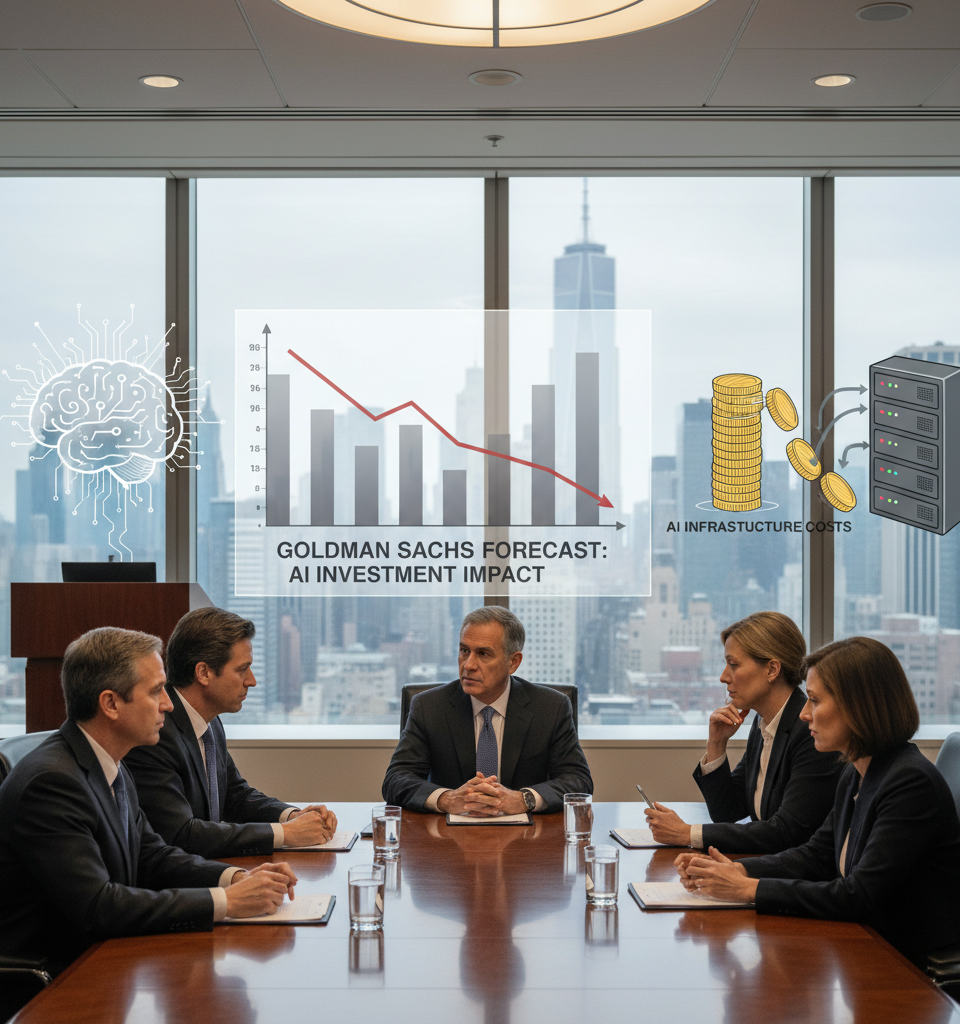
Major technology firms' burgeoning investments in Artificial Intelligence (AI) infrastructure and development are set to significantly temper share buyback programs, according to a recent analysis by Goldman Sachs. The investment bank forecasts that S&P 500 companies will see only a 3% increase in share repurchases this year, a marked deceleration compared to historical growth. This recalibration reflects a strategic pivot by corporate giants, particularly within the tech sector, as they prioritize long-term AI capabilities over short-term investor payouts amidst an uncertain economic backdrop.
The Shifting Corporate Spending Landscape
For years, share buybacks have been a cornerstone of shareholder returns, often signaling corporate health and management confidence while boosting earnings per share. However, the current technological arms race, particularly in AI, is compelling companies to re-evaluate their capital allocation strategies. The immense capital expenditure required for AI — encompassing advanced processors, cloud infrastructure, and highly specialized talent — is absorbing substantial portions of available cash. This shift is particularly pronounced among the Big Tech companies that form a significant part of the S&P 500's market capitalization.
Key Figures and Market Dynamics
Goldman Sachs's projection of a mere 3% growth in S&P 500 buybacks for the year stands in stark contrast to previous periods of robust expansion. Last year, buybacks totaled approximately $1 trillion, a substantial sum that directly benefited investors. The current forecast suggests a deceleration from the annualized double-digit growth rates witnessed in prior years. Companies are facing a delicate balancing act: maintaining financial stability in a shaky economic environment while simultaneously investing heavily to secure a competitive edge in the rapidly evolving AI landscape. This dynamic is leading to a cautious approach towards deploying capital on discretionary items like share repurchases.
Broader Market Implications
The implications of this trend extend beyond individual company balance sheets. Muted buyback growth could affect overall market liquidity and potentially temper stock price appreciation, particularly for companies that have historically relied on buybacks to support their valuations. While AI investments are seen as crucial for future growth and profitability, the immediate effect is a redirection of capital from mechanisms that directly support stock prices. This could lead to a re-evaluation by investors of how corporate success and shareholder value are being generated in the current environment.
Expert Insights on Capital Allocation
Analysts emphasize that this is a strategic reallocation rather than a sign of financial distress. “Companies are making a calculated bet on the future,” stated one equity strategist recently. “The returns on AI investments, while not immediate, are perceived as critical for long-term viability and market leadership. This comes at the expense of capital that might have otherwise been returned to shareholders through buybacks or even increased dividends.” These experts acknowledge the short-term disappointment for some investors but underscore the necessity of these investments for future competitive advantage in a world increasingly shaped by AI.
Looking Ahead: The Future of AI and Shareholder Returns
As the AI revolution continues to unfold, the tension between aggressive capital expenditure and shareholder returns is likely to persist. Companies that successfully integrate AI and demonstrate tangible returns on these investments may eventually find themselves in a stronger position to resume more aggressive buyback programs. However, in the near term, investors should anticipate that the substantial sums required for AI research, development, and deployment will continue to take precedence. Future developments will hinge on the pace of AI innovation, the economic climate, and most crucially, the demonstrable return on investment from these unprecedented expenditures.