AI's Carbon Footprint: New Gas Data Centers Threaten Global Emissions Targets
Molly Taft•April 22, 2026•4 min read
Key Takeaways
Read this first — then go as deep as you need.
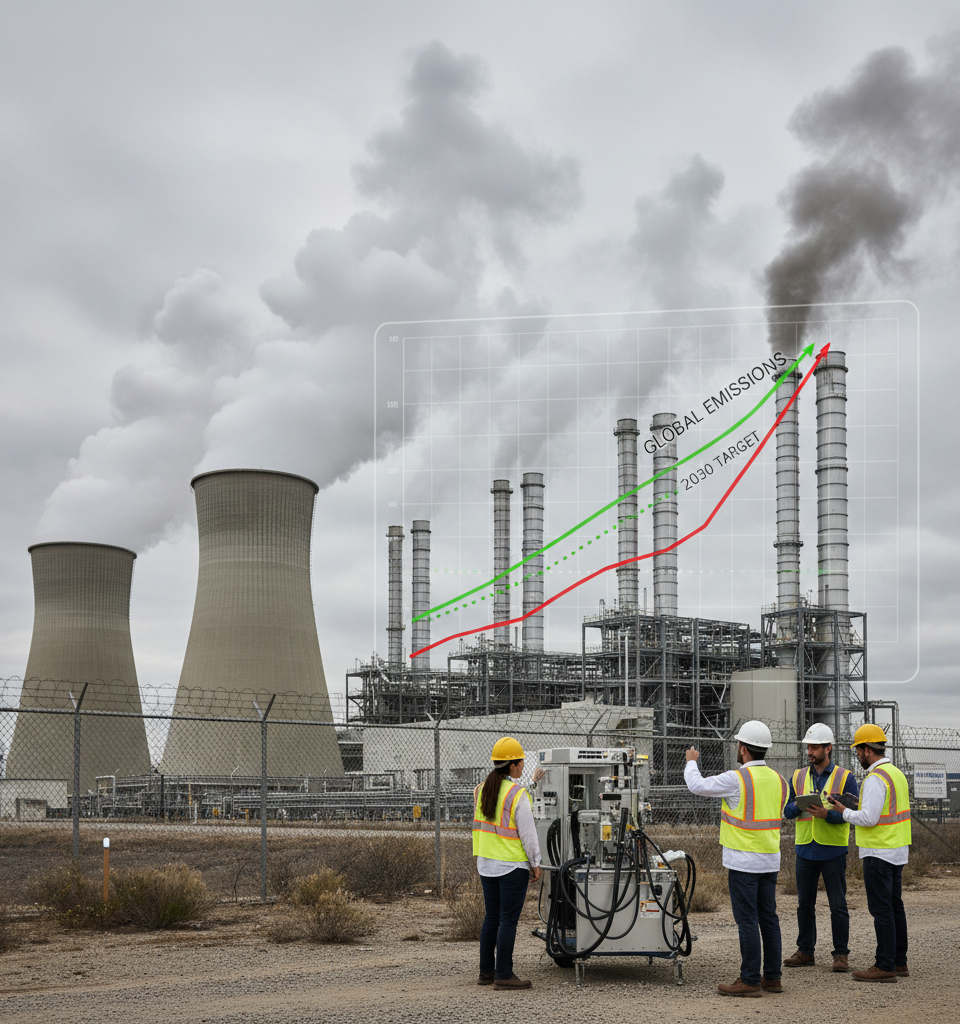
AI's Soaring Emissions: New Data Centers Poised to Eclipse National Carbon Footprints WASHINGTON D.C. – A groundbreaking analysis of permit applications has unveiled a startling environmental paradox: the rapid expansion of gas-powered data centers, crucial infrastructure for artificial intelligence powerhouses such as OpenAI, Meta, Microsoft, and xAI, is projected to release over 129 million tons of greenhouse gases annually. This staggering figure, equivalent to the total emissions of some entire nations, casts a long shadow over the tech industry's commitment to sustainability and raises urgent questions about the true environmental cost of the AI boom. The findings, primarily stemming from a comprehensive review conducted by WIRED, highlight a growing reliance on fossil fuels to power the insatiable energy demands of large language models and sophisticated AI computations. This trajectory directly conflicts with international efforts to mitigate climate change, including the Paris Agreement's objectives to limit global warming. Historically, the tech sector has championed renewable energy initiatives; however, the sheer scale and immediacy of AI's energy needs appear to be driving a significant pivot towards more readily available, albeit carbon-intensive, power sources. The projected 129 million tons of annual greenhouse gas emissions would place these new data center facilities among the biggest individual contributors to climate change globally, surpassing the total annual emissions of countries like Greece or Peru. The reviewed permits detail plans for massive energy consumption, with natural gas generators frequently cited as the primary power source. While many tech companies have publicly pledged to achieve net-zero emissions, the strategy of powering new, energy-intensive AI infrastructure with gas points to a significant disconnect between ambition and execution, especially given the urgent timelines for AI development and deployment. Specific permit details include proposals for facilities with generating capacities often exceeding 500 megawatts, rivalling small power plants. This aggressive build-out of gas-fired data centers stands to profoundly impact the broader energy market and regional power grids. Utilities are facing unprecedented demand surges, prompting investments in traditional energy infrastructure rather than accelerating the transition to renewables in some instances. The strategy of locating these data centers near existing gas pipelines or power plants also bypasses the more complex and time-consuming process of developing new renewable energy projects and associated transmission infrastructure. This trend could inadvertently solidify the role of natural gas as a long-term energy source, contrary to global decarbonization goals. Environmental experts and climate scientists are sounding alarms, warning that the unchecked growth of compute-intensive AI applications could derail climate progress. Dr. Elena Petrova, an environmental policy analyst at the Global Climate Institute, commented, "The projected emissions are not just significant; they represent a fundamental challenge to our collective climate targets. We risk creating an AI-driven economy that's brilliant but built on a carbon-heavy foundation." Others point out that the nascent nature of AI's energy footprint means these initial projections could even be conservative as AI models continue to scale in complexity and usage. Looking ahead, the revelations are likely to intensify scrutiny from regulators, environmental groups, and investors on the tech industry's energy sourcing and sustainability practices. Pressure will mount on companies like OpenAI, Meta, Microsoft, and xAI to transparently disclose their energy consumption and carbon footprints, as well as to outline concrete, accelerated plans for transitioning to 100% renewable energy for their AI operations. Innovations in energy efficiency for AI algorithms and data center cooling technologies will also become paramount, alongside a more robust integration of advanced battery storage and smart grid solutions. Without a concerted shift, the transformative potential of AI may come at an unacceptably high environmental cost. Regulators globally, particularly in North America and Europe where many of these facilities are planned, may also consider new permitting requirements or carbon taxes specifically targeting the energy consumption of large-scale AI operations. The debate around sustainable AI is no longer a niche concern; it is rapidly becoming a central issue at the intersection of technology, energy policy, and global climate action, demanding immediate and innovative solutions from industry and governments alike.
Discussion
Join the discussion
Sign in to leave a comment on this article.
Loading comments...
Enjoying this article?
Get more like it delivered to your inbox — free.
This article was compiled by GlobalSell News from publicly available reporting and has been edited for clarity and length. For full details, read the original source.