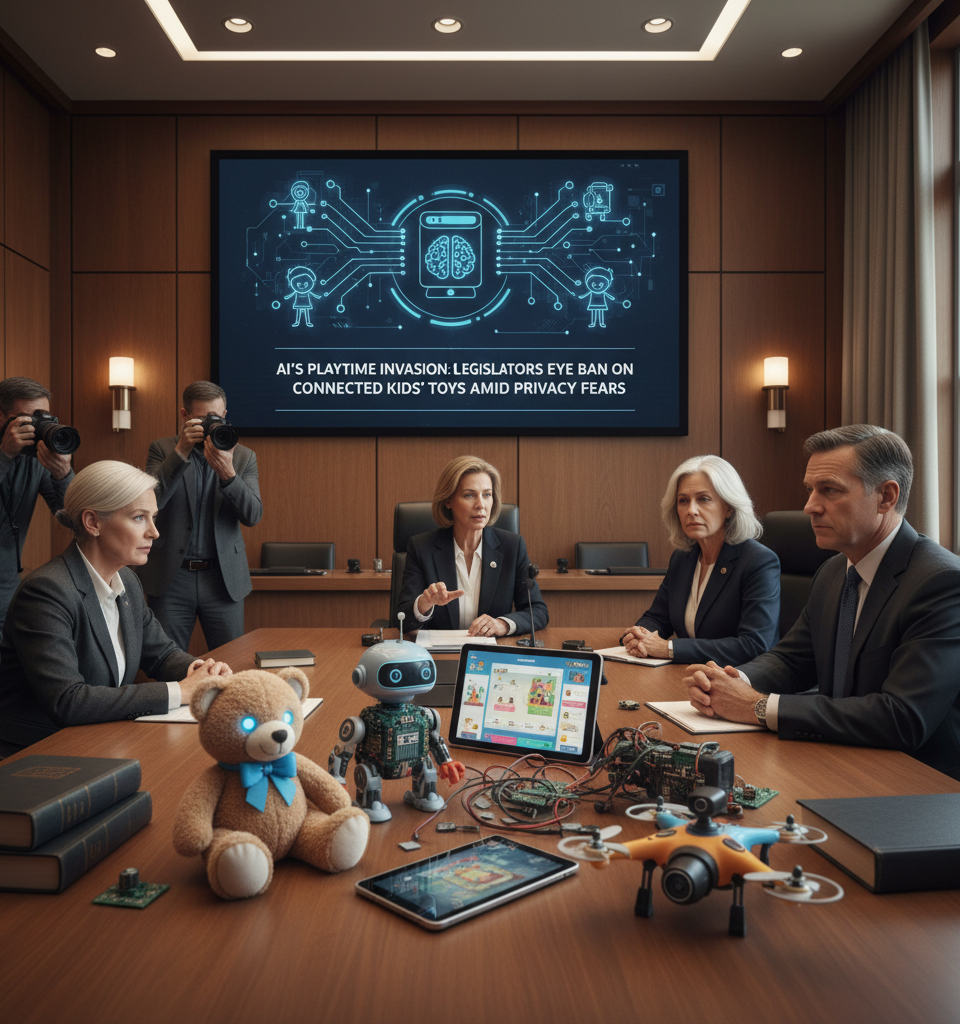
A new generation of AI-powered children's toys is sparking a contentious debate, as tech innovators tout their potential to revolutionize learning and entertainment, while lawmakers and consumer groups express alarm over privacy, data security, and developmental implications. These sophisticated devices, ranging from interactive dolls to robotic pets, are designed to engage children in adaptive play, personalized storytelling, and even emotional coaching, effectively creating a 'new wild west' in the children's products market.
The Dawn of Smart Playthings
The integration of AI into children's toys isn't a entirely new concept, but recent advancements in natural language processing and machine learning have pushed capabilities far beyond simple voice recognition. Today's AI companions can learn a child's preferences, recall past conversations, and deliver personalized experiences. Proponents argue these toys can foster creativity, assist with educational development, and even provide comfort. For instance, some AI-enabled teddy bears can generate bedtime stories tailored to a child's mood or interests, while interactive robots can guide children through STEM activities. The market for smart toys was valued at approximately $12 billion in 2023 and is projected to reach over $25 billion by 2028, underscoring the rapid adoption and significant investment in this sector.
Ethical Quandaries and Legislative Pushback
However, the very features that make these toys appealing to some are precisely what concern others. The primary fear revolves around data collection. These devices often record conversations, track play patterns, and sometimes even collect biometric data, which is then transmitted to company servers for processing.
The question of who owns this data, how it's secured, and whether it could be exploited for targeted advertising or other purposes has no easy answers. Earlier this year, a coalition of consumer advocacy groups, including the Electronic Privacy Information Center (EPIC), sent a letter to the Federal Trade Commission (FTC), urging stricter regulations and investigations into specific products they deemed non-compliant with child privacy laws, such as the Children's Online Privacy Protection Act (COPPA). Several lawmakers in states like California and New York have even initiated discussions about potential legislation, including outright bans, on AI toys that fail to meet stringent privacy and security standards.
Impact on Child Development and Industry Standards
The implications extend beyond data privacy to child development. Psychologists and educators are grappling with how constant interaction with AI might affect social skills, imaginative play, and emotional intelligence. Some experts worry that relying on AI for storytelling or companionship could hinder a child's ability to develop independent thought and human-to-human interaction skills. The toy industry, traditionally focused on physical safety, now faces the complex challenge of establishing digital safety and ethical AI guidelines. Major companies like Mattel and Hasbro, while cautious, are actively exploring AI integration, aware of both the market potential and the regulatory minefield. Smaller tech startups, often the innovators in this space, are frequently the first to face scrutiny due to less established privacy frameworks.
Expert Insights and Future Trajectories
"The core tension here is between innovation and protection," notes Dr. Emily Chen, a professor of digital ethics at Stanford University. "We're seeing a rapid pace of technological advancement, but our regulatory frameworks for child protection simply haven't kept up. The onus is on manufacturers to demonstrate transparency and robust security, and on legislators to enact comprehensive, forward-looking laws." Analysts predict a period of intense scrutiny and potential market consolidation. Companies that can build trust through transparent practices and robust security will likely thrive, while those perceived as neglectful of privacy concerns could face significant backlash and regulatory penalties. The challenge, experts say, is to harness the educational and entertainment benefits of AI without compromising children's fundamental rights to privacy and healthy development.
The Road Ahead: Regulation and Responsible Innovation
The coming years will likely define the landscape of AI in children's products. We can anticipate an escalation in legislative efforts, potentially leading to federal guidelines specifically addressing AI toys. Companies will be under immense pressure to implement auditable privacy-by-design principles, offering parents clear choices and controls over their children's data. Furthermore, ongoing research into the long-term cognitive and social impacts of AI interaction on children will be crucial in shaping public perception and policy. The future of AI kids' toys hinges on a delicate balance: fostering breakthrough innovation while safeguarding the most vulnerable consumers. The debate is far from over, and the choices made today by industry, regulators, and consumers will profoundly shape the childhoods of tomorrow.
The recent discussions by US and European lawmakers on banning certain AI-enabled children's toys highlight the growing global concern over this emerging technology. These conversations are indicative of a broader push towards defining ethical boundaries for AI, especially concerning vulnerable populations.