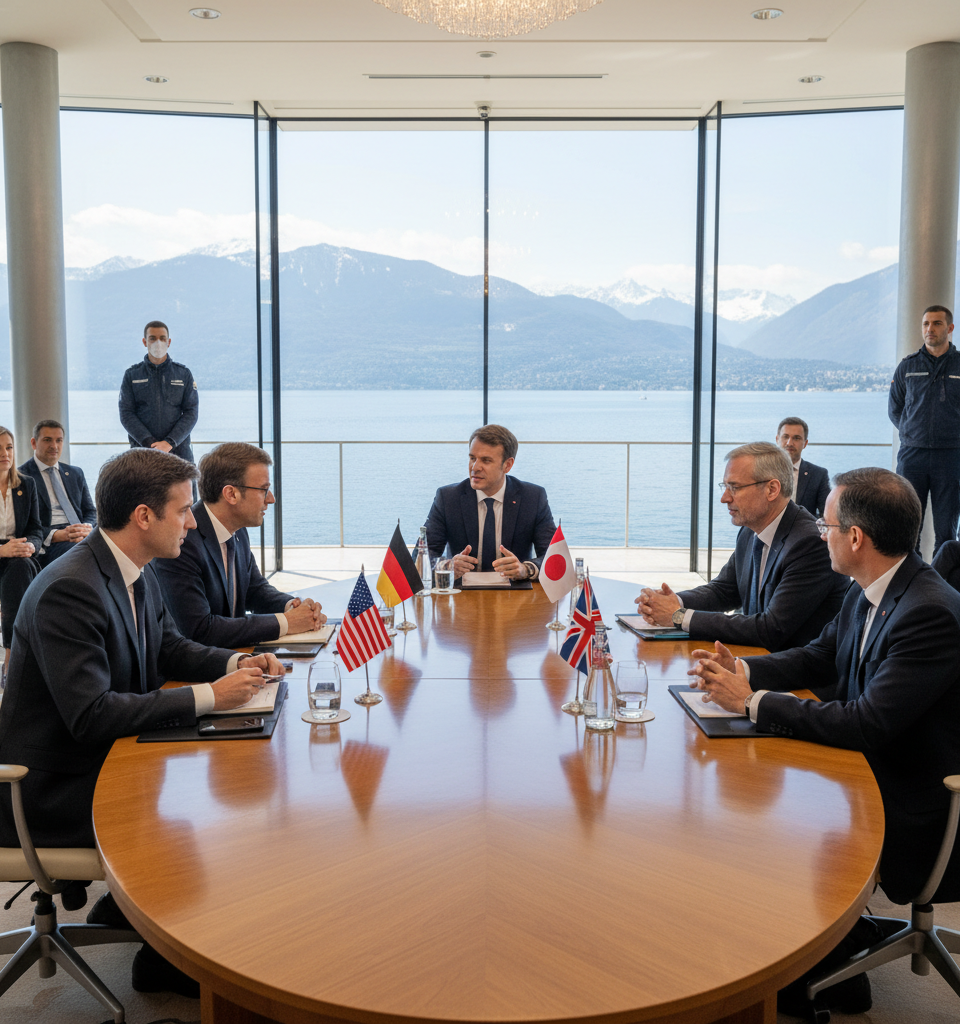
The leaders of the three most influential artificial intelligence companies — OpenAI’s Sam Altman, Anthropic’s Dario Amodei, and Google DeepMind’s Demis Hassabis — are expected to participate in the G7 summit in Évian-les-Bains, France. The highly anticipated event, scheduled to run in the coming days, will see these AI titans engage directly with the heads of state from the world’s preeminent advanced economies, signaling a significant juncture in the global discourse surrounding AI governance, ethics, and innovation.
Context and Significance
This gathering underscores the escalating importance of artificial intelligence on the international agenda. For years, AI development has largely been driven by private sector innovation, often outpacing regulatory frameworks. The G7's invitation to these leading figures represents a concerted effort to bridge this gap, bringing the architects of frontier AI models into direct dialogue with policymakers responsible for shaping global norms and standards. The focus is expected to be on balancing the immense potential of AI with the imperative to manage its associated risks, including ethical considerations, geopolitical stability, and economic disruption.
Key Figures and Their Influence
Sam Altman, CEO of OpenAI, has been a prominent voice advocating for both the rapid advancement and careful governance of AI, particularly with his company’s development of systems like ChatGPT. Dario Amodei, co-founder and CEO of Anthropic, has emphasized an “AI safety first” approach, focusing on building reliable and interpretable AI systems. Demis Hassabis, CEO of Google DeepMind, brings a perspective rooted in long-term AI research and the pursuit of general artificial intelligence. Their collective presence offers a unique opportunity for G7 leaders to gain firsthand insights into the trajectory and challenges of AI development from those at its forefront, potentially informing future international cooperation and regulatory initiatives.
Industry and Market Impact
The participation of these AI leaders in such a high-profile political forum is likely to have significant reverberations across the technology industry. It legitimizes AI as a top-tier geopolitical concern, potentially influencing investment trends, research priorities, and the competitive landscape. Companies not represented may face increased pressure to align with emerging global AI policies, while those present could gain a strategic advantage through early engagement with international regulatory discussions. This convergence suggests a move towards a more globally coordinated approach to AI, departing from solely national or regional efforts.
Future Implications
The discussions at Évian-les-Bains are anticipated to lay groundwork for future multilateral actions on AI. Outcomes could range from pledges for increased international collaboration on AI safety research to the formation of working groups tasked with developing common standards for AI development and deployment. While immediate, concrete regulatory outcomes might not emerge during the summit itself, the direct interaction between AI innovators and world leaders is a critical step towards establishing a shared understanding and a path forward for managing one of the most transformative technologies of our era. The precedent set by this meeting could also pave the way for similar future convocations, solidifying the role of AI leadership in global governance dialogues.