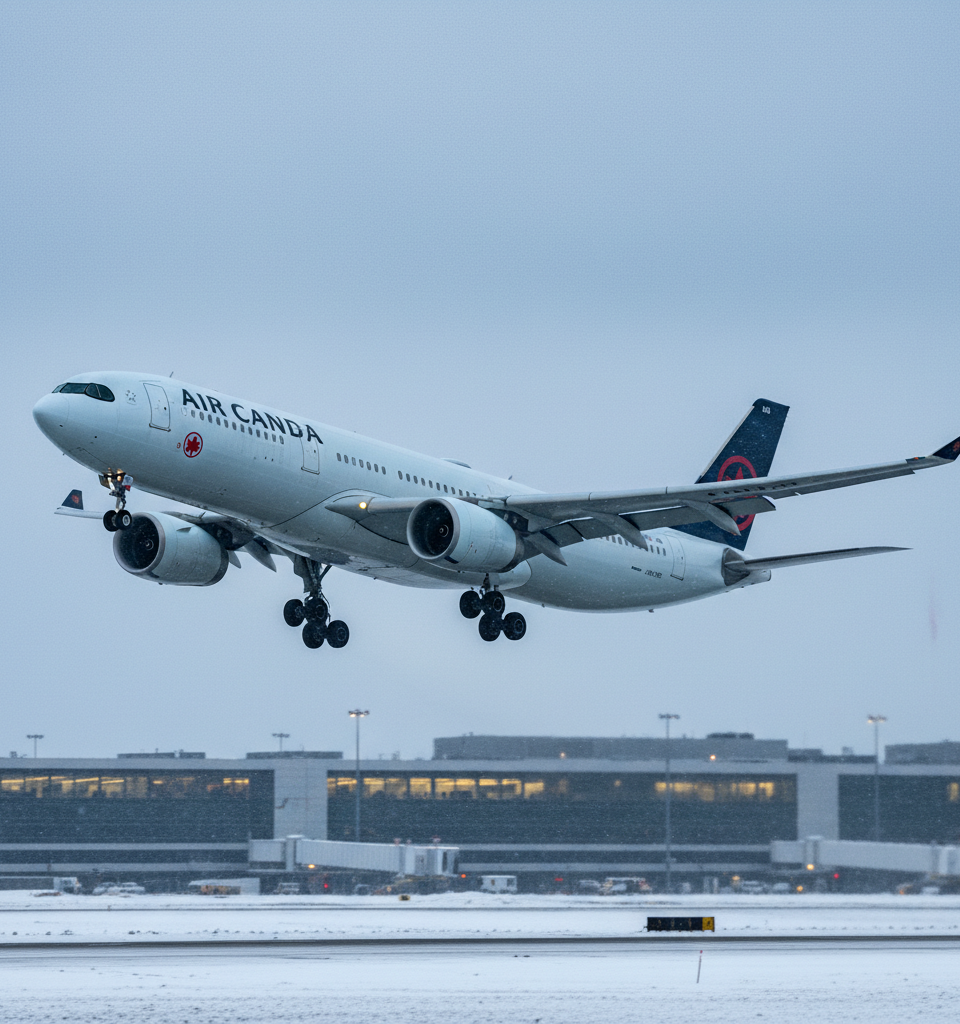
MONTREAL, QC – May 15, 2024 – Air Canada, Canada's largest airline, has confirmed the suspension of all its planned summer services to New York's John F. Kennedy International Airport (JFK), effective immediately through the end of the summer season. The decisive action is a direct consequence of an unprecedented doubling in jet fuel prices since the onset of intensified geopolitical tensions surrounding Iran, rendering certain routes economically unviable. This move underscores the severe financial strain on the aviation industry, forcing carriers to re-evaluate and, in some cases, retract from traditionally profitable markets.
Context: Geopolitical Tensions Squeeze Airline Profitability
This latest announcement by Air Canada is a stark indicator of how global geopolitical events can rapidly translate into tangible economic headwinds for commercial entities. The ongoing instability in the Middle East, particularly the conflict involving Iran, has had a profound and immediate impact on global oil markets. Jet fuel, a significant operational cost for airlines, closely mirrors crude oil prices. With prices reportedly escalating by 100% in a relatively short period, airlines are finding their carefully calculated profit margins evaporating, especially on routes with lower inherent profitability. The decision to halt flights to a major hub like JFK, even temporarily, reflects a broader industry struggle to maintain fiscal stability in a volatile global economic landscape.
Key Details: Economic Realities Drive Strategic Cuts
Air Canada's management articulated that the dramatic increase in fuel expenses has rendered certain routes, particularly those with thinner margins, unsustainable. "As jet fuel prices have doubled since the start of the Iran conflict, some lower profitability routes and flights are no longer economic," a spokesperson for Air Canada stated. While specific financial figures for the JFK route were not disclosed, industry analysts estimate that fuel can account for 25% to 35% of an airline's total operating costs. A doubling of this expense can erase profitability entirely. Passengers booked on the affected JFK flights are being offered alternative arrangements, including re-accommodation on flights to Newark Liberty International Airport (EWR), refunds, or travel vouchers, minimizing direct disruption where possible.
Industry Impact: A Precedent for Broader Route Optimizations
Air Canada's decision sets a concerning precedent for the broader aviation sector. While JFK is a highly competitive market, the suspension by a major carrier like Air Canada signals that even established routes are vulnerable to extreme cost pressures. Other airlines may soon follow suit, initiating their own route adjustments, capacity reductions, or surcharges to offset spiraling fuel costs. This could lead to a contraction of service offerings, particularly across transatlantic and other long-haul flights, potentially impacting global connectivity and fair prices for consumers. The International Air Transport Association (IATA) has warned that high fuel prices could significantly depress airline profitability forecasts for the year, potentially leading to widespread industry losses if the trend continues.
Expert Perspective: Balancing Costs with Connectivity
Dr. Anya Sharma, an aviation economist at the University of Toronto, commented on the situation: "Air Canada's move is a rational business decision in the face of irrational market forces. Airlines, particularly network carriers, constantly optimize their routes based on profitability. When a key input like fuel dramatically shifts, routes that were marginally profitable become significant loss-makers. It's a painful but necessary recalibration." She added, "The challenge for Air Canada, and indeed for all carriers, is to strike a delicate balance between cost containment and maintaining market presence and customer loyalty, especially in competitive corridors like the Toronto-New York route."
What's Next: An Uncertain Summer for Air Travel
The immediate implications for Air Canada passengers traveling to New York are rerouting via EWR or other options. However, the longer-term outlook remains uncertain. Should jet fuel prices stabilize or decline, Air Canada may reconsider reinstating service to JFK. Conversely, prolonged high fuel costs could force more permanent route adjustments, potentially leading to a broader reduction in flight options and an increase in airfares across the industry. The summer travel season, typically a peak period for airlines, could see increased consolidation of routes and higher costs for consumers as airlines prioritize profitability over extensive network coverage. Industry observers will be closely monitoring geopolitical developments in the Middle East and their downstream effects on global energy markets, which will ultimately dictate the extent of further airline operational adjustments.