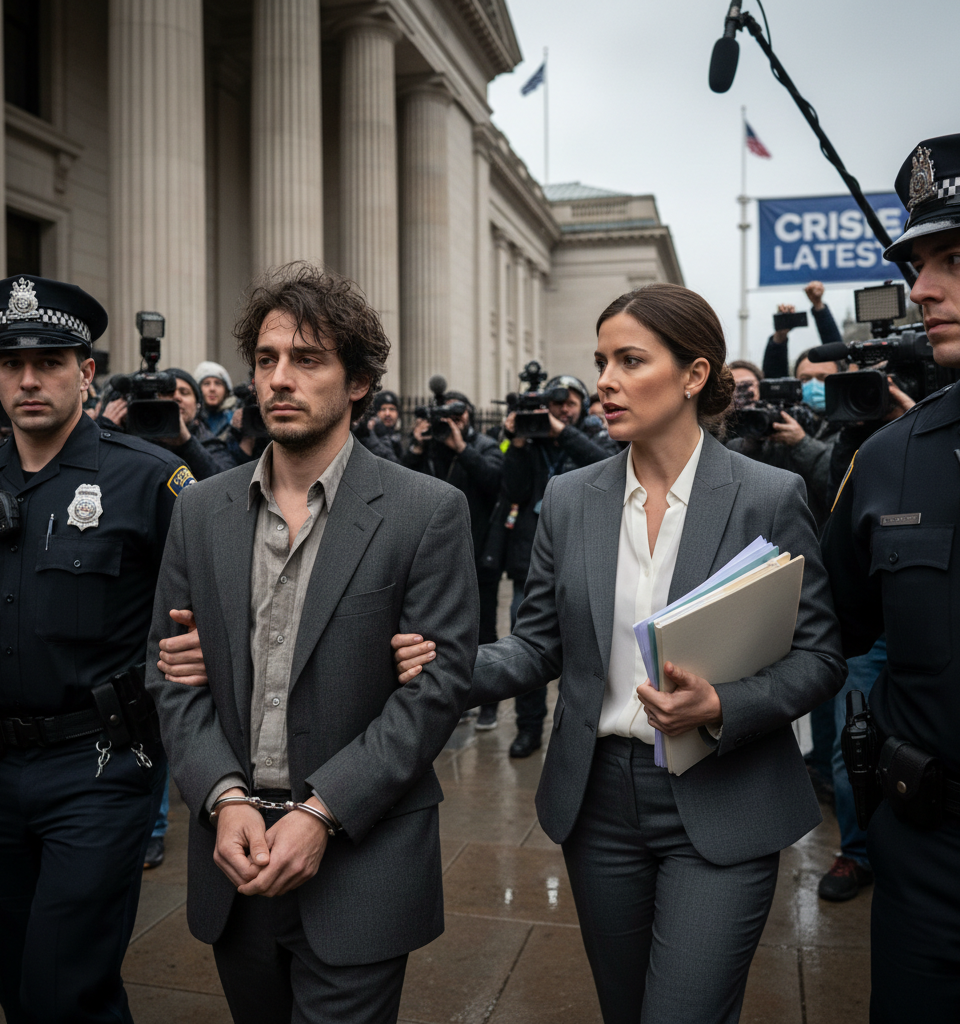
PALO ALTO, CA – May 19, 2026 – Daniel Moreno-Gama, the individual recently charged in connection with an alleged Molotov cocktail attack targeting the residence of OpenAI CEO Sam Altman, was experiencing an "acute mental health crisis" at the time of the incident, according to his legal counsel. This pivotal claim by Moreno-Gama's lawyer, made public today, introduces a significant mitigating factor into the prosecution's case and shifts the narrative surrounding the high-profile alleged arson attempt.
The alleged incident, which involved a lit Molotov cocktail reportedly thrown at the driveway gate of Altman's Palo Alto home, sent ripples through the tech community and raised concerns about the personal security of prominent figures in Silicon Valley. The initial reports focused on the brazen nature of the attack, but the new legal assertion pivots the focus towards the suspect's mental state, potentially recharacterizing the motive behind the actions.
Details of the Incident and Legal Response
The alleged act took place under circumstances that remain under investigation, with law enforcement sources previously confirming the discovery of an incendiary device. Daniel Moreno-Gama was subsequently identified and apprehended as the primary suspect. While police have not yet released full details regarding the evidence that led to his arrest, the involvement of a Molotov cocktail immediately elevated the severity of the charges. Moreno-Gama's lawyer, whose name has not been released at this time but is representing him in the ongoing legal proceedings, has since asserted that their client was not in a rational state of mind when the alleged events transpired. This defense strategy typically aims to demonstrate a lack of criminal intent due to a severe psychological impairment.
This development is likely to have substantial implications for the progression of the legal case. In jurisdictions like California, a defense predicated on a defendant's mental state can lead to various outcomes, ranging from reduced charges to court-ordered psychiatric evaluation and treatment, rather than standard incarceration. The legal team will almost certainly present documented evidence or expert testimony to support the claim of an "acute mental health crisis," which could include medical records or psychiatric assessments.
Broader Societal and Tech Industry Implications
Beyond the immediate legal ramifications, this case continues to spotlight the increasing scrutiny and, at times, volatile reactions directed towards leaders within the technology sector. Sam Altman, as CEO of OpenAI, is at the forefront of the artificial intelligence revolution, a field that garners both immense excitement and significant public anxiety. While direct links between the alleged act and Altman's professional role have not been definitively established, the target's prominence ensures continued public interest and debate.
The incident also serves as a stark reminder of the potential for individuals experiencing mental health challenges to become involved in serious criminal acts, underscoring the broader societal need for improved mental health infrastructure and awareness. For the tech industry, often a lightning rod for intense public sentiment regarding innovation, ethics, and economic disruption, the case may prompt further discussions around executive security protocols and the psychological pressures faced by both industry leaders and the public interacting with rapidly advancing technologies.
What Lies Ahead in the Legal Process
Looking forward, the focus will invariably shift to the evidentiary phase of the legal proceedings. Moreno-Gama's defense will likely work to compile comprehensive documentation of any prior mental health diagnoses, treatments, or specific events leading up to the alleged incident. The prosecution, conversely, will seek to challenge the extent of the claimed mental health crisis and to prove criminal intent irrespective of the defendant's state of mind.
Mental health defenses in high-profile cases can be complex and often involve extensive expert testimony from both sides. The courts will be tasked with evaluating the validity of the "acute mental health crisis" claim against the severity of the alleged offense. The outcome could set precedents for how mental health is considered in cases involving public figures and acts of alleged violence in the context of technological advancements. The legal battle is expected to be protracted, with public attention remaining firmly fixed on developments as they unfold in the coming months.