Background to the Allegations
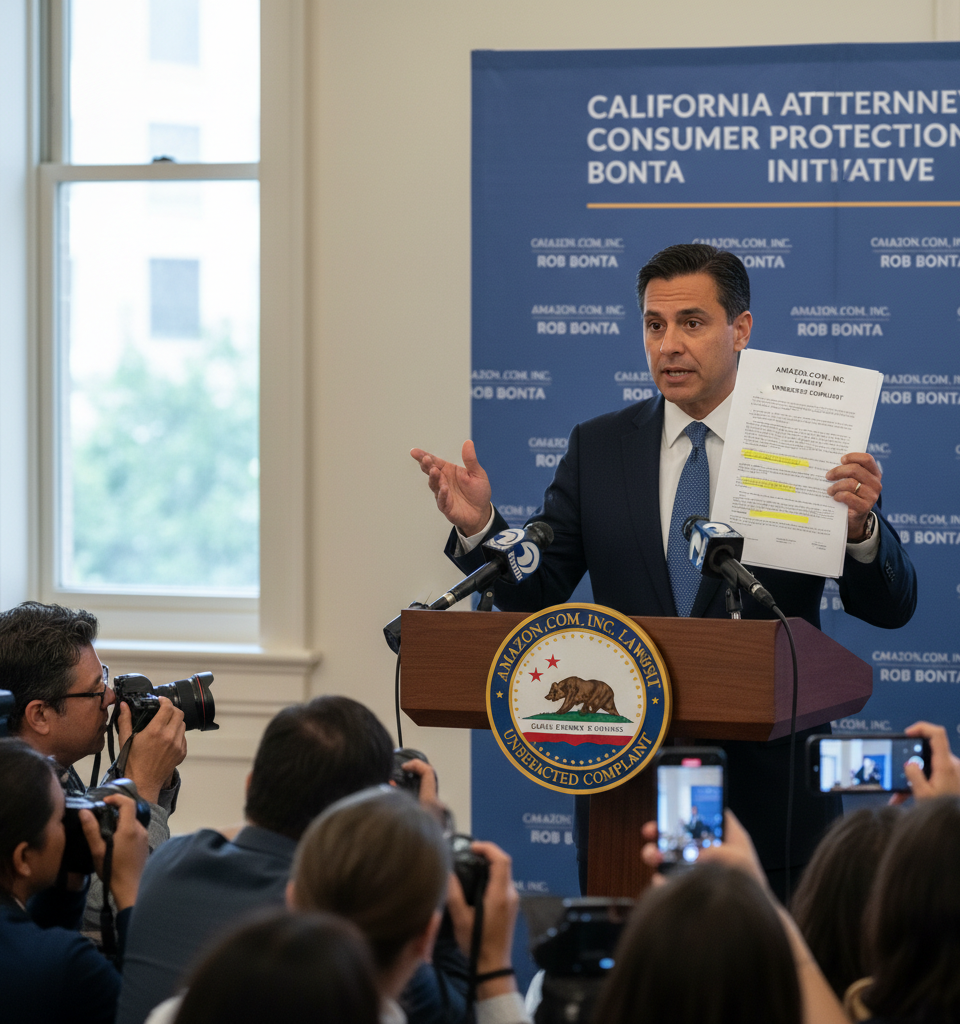
The unredacted filing represents a critical development in California's 2022 lawsuit, which accused Amazon of anti-competitive practices. The core of the state's argument has always revolved around Amazon's 'Most Favored Nation' (MFN) clauses, or their functional equivalents, which prevented sellers from offering lower prices on other platforms. However, these new revelations go a step further, suggesting direct intervention and coercion. The state asserts that Amazon's "overwhelming bargaining leverage" created an environment where brands felt compelled to comply, fearing their products would be made less visible, or even delisted, from Amazon's platform – a catastrophic outcome for many businesses relying heavily on the e-commerce giant for sales.
Explicit Details Unveiled According to the unredacted documents,
California investigators uncovered evidence of Amazon directly communicating with brands, explicitly requesting they increase prices on other retail sites to match or exceed those offered on Amazon. The filing details instances where Amazon allegedly employed sophisticated data analytics to monitor competitor pricing and subsequently engaged in direct outreach, often through account managers, to enforce its pricing preferences. Brands, facing potential loss of access to Amazon's estimated 300 million active customer accounts globally, reportedly yielded to these demands, leading to artificially inflated prices across the online retail landscape. While specific financial figures of the alleged overcharges were not immediately available in the released documents, the scale of Amazon's market penetration suggests potential consumer harm could run into billions of dollars annually.
Broader Industry and Market Impact
This alleged price-fixing scheme, if proven, has profound implications for the broader e-commerce ecosystem and consumer welfare. By coercing brands to maintain higher prices elsewhere, Amazon effectively eliminates price competition, compelling consumers to pay more for goods. It also stifles innovation among smaller e-commerce platforms that struggle to compete on price, further solidifying Amazon's dominant market position. This practice not only hurts consumers' wallets but also undermines the principles of a free and competitive market, potentially reducing choice and quality in the long run. The revelations could also embolden other states and federal regulators, like the Federal Trade Commission (FTC), currently scrutinizing Amazon's business practices.
Expert Analysis and Legal Perspectives
Legal experts and antitrust economists view these unredacted filings as a significant blow to Amazon's defense. "This move by California's AG shifts the narrative from mere contractual obligations to direct, coercive intervention in pricing," stated Dr. Eleanor Vance, an antitrust law professor at Stanford University. "The allegations of Amazon actively dictating pricing on other platforms, backed by threats, paint a much darker picture of market manipulation than passive MFN clauses alone. It suggests a proactive effort to eliminate competition rather than merely protect its own marketplace." Analysts widely anticipate that these details will strengthen the state's case and could be influential in other ongoing antitrust investigations against Amazon, both domestically and internationally.
What Lies Ahead: Legal Battle and Regulatory Scrutiny
The unredacted filing sets the stage for a more intense legal battle between California and Amazon. The e-commerce giant is expected to vehemently deny the allegations, arguing that its actions are aimed at ensuring fair competition and a positive customer experience, not price manipulation. However, the explicit nature of the new evidence could make that defense more challenging. Looking forward, the implications of this case extend beyond California's borders. It could significantly influence the growing bipartisan push for stronger antitrust enforcement in the United States and potentially establish new legal precedents for regulating the power of tech giants. The outcome of this lawsuit will be closely watched by consumers, businesses, and regulators worldwide, as it could reshape the future of online commerce and competition.