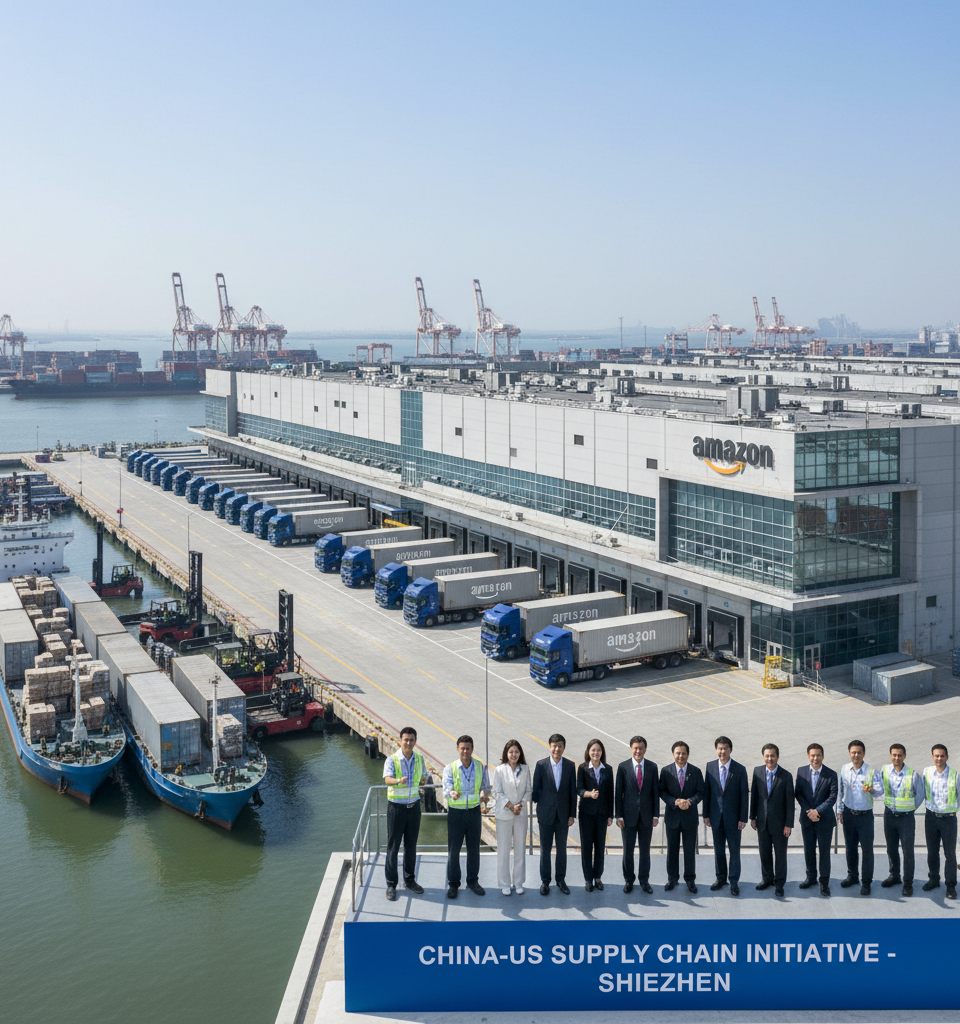
Strategic Context and Market Dynamics
The launch comes at a pivotal time for global supply chains, which have faced unprecedented disruptions in recent years. By establishing a dedicated hub near China's manufacturing heartland, Amazon is directly addressing key pain points for its third-party sellers, who account for over 60% of all products sold on the platform. Traditionally, sellers incurred substantial costs for short-term storage or immediate shipment, often leading to higher product prices or reduced margins. This new facility offers a solution that not only streamlines logistics but also reduces the financial burden, potentially fostering a more competitive environment for Chinese manufacturers exporting to the US market. This move builds upon Amazon's existing global logistics infrastructure, demonstrating a continued commitment to enhancing its end-to-end supply chain capabilities.
Operational Details and Seller Benefits
Sources close to Amazon indicate the Shenzhen facility will primarily serve as an inventory staging ground, allowing sellers to store products in bulk at competitive rates for extended periods. This contrasts with more expensive short-term storage options often found within the US. The center facilitates a 'store-then-ship' model, enabling sellers to consolidate inventory, reduce last-minute shipping pressures, and potentially mitigate peak season price surges from freight forwarders. While specific pricing details have not been publicly disclosed, industry analysts anticipate significant cost savings for high-volume sellers. The facility is expected to handle a diverse array of products, from electronics to apparel, with advanced warehousing technologies to ensure efficient inventory management and retrieval for eventual ocean or air freight to Amazon's US fulfillment centers.
Broader Industry and Economic Impact
This development is poised to have a ripple effect across the cross-border e-commerce industry. For Chinese manufacturers and sellers, it provides a much-needed logistical buffer, stabilizing inventory flows and improving cash flow management. It could also intensify competition among logistics providers as Amazon deepens its own involvement in the supply chain ecosystem. Furthermore, by reducing friction in the China-to-US trade corridor, the facility could inadvertently boost overall trade volumes and further integrate Chinese suppliers into the global e-commerce landscape. This strategic move underscores a larger trend of major e-commerce players investing heavily in bespoke logistics solutions to gain a competitive edge and reduce reliance on third-party carriers.
Expert Analysis and Competitive Landscape
Supply chain experts view Amazon's Shenzhen hub as a calculated move to reinforce its dominance in global e-commerce and to further lock in its seller base. "This facility isn't just about storage; it's about control and efficiency," commented Dr. Emily Chen, a logistics professor at the National University of Singapore. "By offering competitive storage near the point of manufacture, Amazon is making it even more attractive for Chinese sellers to commit their inventory to the FBA (Fulfillment by Amazon) program, effectively broadening their logistics footprint and potentially squeezing out smaller freight forwarders." Analysts also suggest this move could be a pre-emptive measure against potential future trade disruptions or tariff adjustments, providing Amazon and its sellers with greater operational resilience.
Future Outlook and Strategic Implications
The successful operation of the Shenzhen distribution center could pave the way for similar hubs in other key manufacturing regions globally, enhancing Amazon's 'glocal' (global-local) logistics strategy. Further investments in automation and AI within these centers are anticipated to drive even greater efficiencies. The move also signals Amazon's long-term commitment to its international seller base and its relentless pursuit of supply chain optimization. The company is expected to closely monitor the performance of this facility, with potential plans to expand its capacity or replicate the model if it yields significant operational and financial benefits. This initiative underscores Amazon's continuous evolution from a marketplace to an integrated logistics powerhouse, redefining modern global trade.