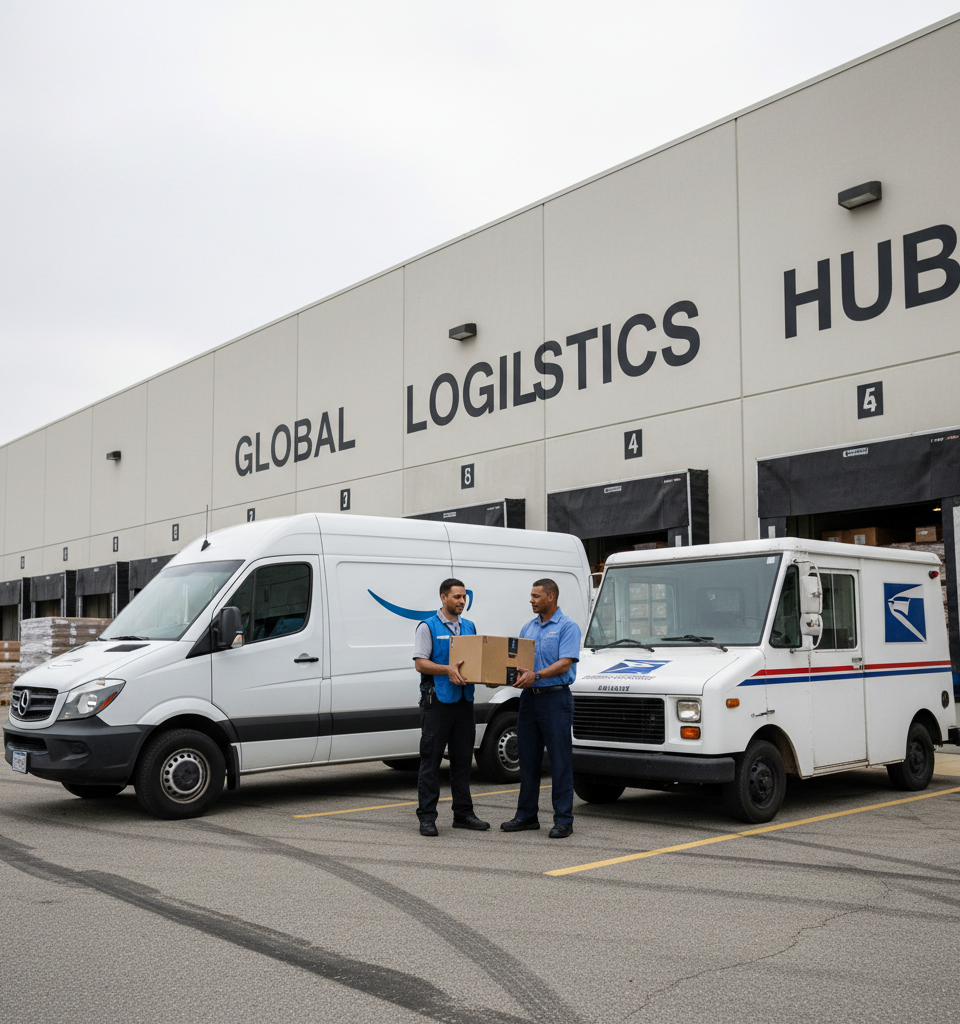
The U.S. Postal Service (USPS) has successfully retained e-commerce behemoth Amazon as a key client, concluding negotiations for a renewed delivery contract. However, the celebrated renewal comes with a substantial caveat: the new agreement stipulates a noteworthy 20% reduction in the volume of packages Amazon will route through the USPS. This development, confirmed by sources close to the negotiations, marks a pivotal moment in the complex relationship between the two entities and reflects Amazon's continued investment in its proprietary logistics network.
This contract adjustment is not merely a transactional detail; it’s a bellwether for the broader parcel delivery market and a critical indicator for the financially beleaguered USPS. For years, Amazon has been a cornerstone client for the Postal Service, providing a significant revenue stream through last-mile deliveries, particularly to residential addresses. The 20% volume dip, while not an outright termination, signifies a strategic recalibration on Amazon's part, prioritizing efficiency and control over its vast shipping operations. This move could exacerbate the USPS's existing financial pressures, which are largely driven by declining letter mail volumes and mandated pre-funding of retiree benefits.
The specifics of the new agreement, while not fully disclosed to the public, indicate a shift in the allocation of Amazon's colossal package flow. Industry insiders suggest that Amazon is increasingly leveraging its own network of delivery vans, regional sortation centers, and third-party contractors that are not the USPS. This expansion of Amazon's in-house capabilities, particularly in urban and suburban areas, directly impacts the USPS's role as a primary last-mile carrier. The postal service will likely continue to handle a significant portion of Amazon's packages in more rural or less densely populated areas, where its extensive infrastructure remains unmatched.
The broader industry implications of this revised contract are profound. For competitors like FedEx and UPS, Amazon's continued diversification of its shipping channels, while not directly involving them in this specific USPS context, underscores the growing competitive pressure from integrated e-commerce giants. It also highlights the increasing fragmentation of the parcel delivery market. Furthermore, this trend could force other major retailers to re-evaluate their reliance on established carriers and potentially explore or expand their own delivery infrastructures to compete effectively with Amazon's logistical prowess.
Logistics and supply chain analysts have weighed in on the development, largely viewing it as an inevitable outcome of Amazon's long-term strategy. Dr. Eleanor Vance, a professor of supply chain management at a leading business school, observed, "Amazon's consistent investment in its captive logistics network over the past decade has made such a volume reduction with external partners predictable. They are optimizing for cost, speed, and control. While the USPS retains a critical role, especially for challenging delivery geographies, the trend is clear: Amazon wants to own more of its delivery destiny." This sentiment is echoed by industry reports indicating Amazon spent over $80 billion on shipping and fulfillment in 2023.
Looking ahead, the USPS faces the imperative to innovate and diversify its revenue streams beyond traditional mail and declining third-party e-commerce volumes. This new Amazon contract, while a continuation of business, serves as a stark reminder of the need for the postal service to adapt to a rapidly evolving logistics landscape. Future implications could include intensified efforts by the USPS to secure more business from smaller e-commerce entities, refine its package handling efficiencies, or even explore new service offerings to offset the decreased Amazon volume. Meanwhile, Amazon is expected to continue expanding its Flex delivery program and drone delivery initiatives, further solidifying its independence in the fulfillment ecosystem.