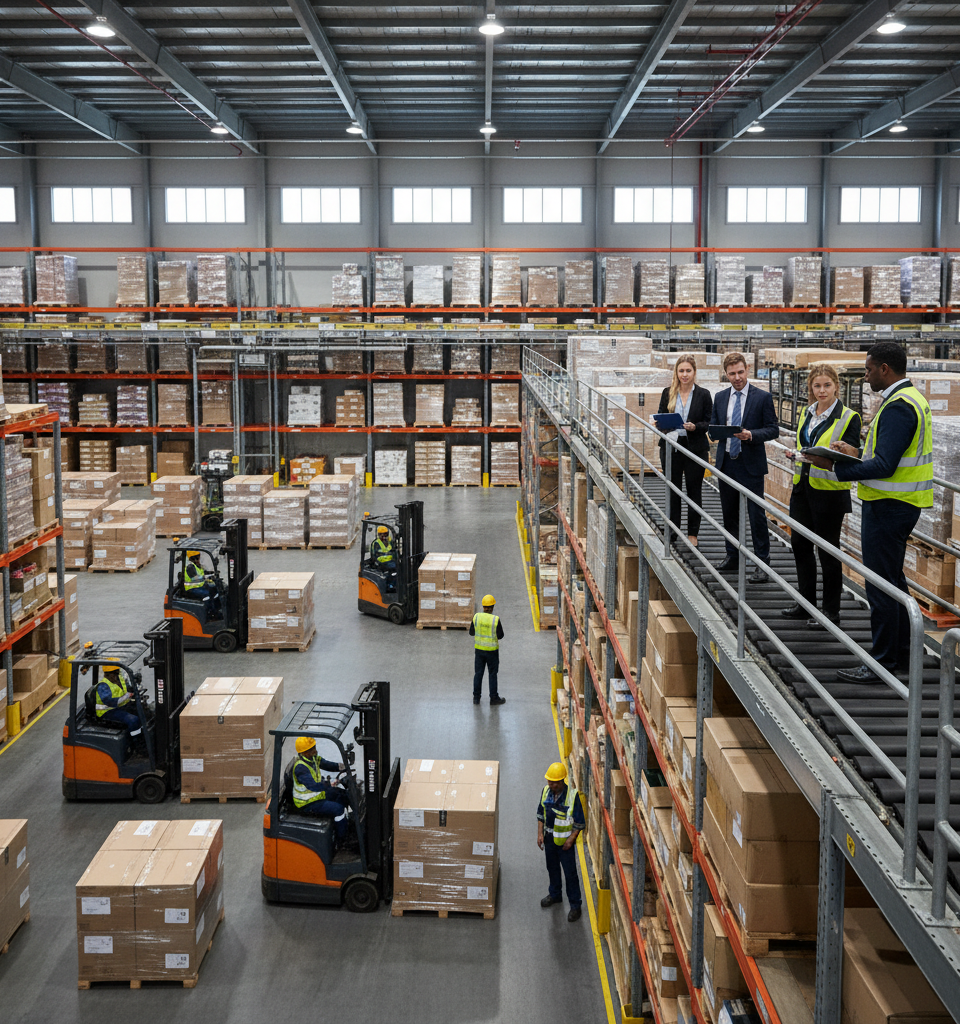
Amazon is aggressively positioning its Supply Chain Services as a comprehensive solution for businesses, aiming to move parcels from manufacturing plants directly to customer doorsteps. This week, industry analysts are grappling with the implications of Amazon's expanding logistics footprint, particularly its potential to disrupt established freight forwarders and third-party logistics (3PL) providers. The allure for shippers is an integrated, simplified process under a single, trusted brand, promising efficiency and cost savings through Amazon's vast network. However, underlying this promise are significant concerns regarding how Amazon will prioritize its own retail freight versus that of its external customers, a critical factor for businesses relying on reliable, consistent shipping capacity.
This strategic expansion by Amazon is not a new development, but rather an acceleration of a long-term vision to control every aspect of its fulfillment and delivery network. Beginning with Fulfillment by Amazon (FBA) services for its marketplace sellers, the company has steadily built out a formidable logistics infrastructure comprising planes, trucks, warehouses, and last-mile delivery services. The current evolution, encompassing international ocean freight booking, customs clearance, and domestic transportation for non-Amazon inventory, marks a pivotal moment.
It represents a direct challenge to the traditional logistics industry, which has historically fragmented services across multiple providers. Amazon's move is a natural progression of its efforts to reduce reliance on external carriers and gain greater control over its operational costs and delivery speeds, a competitive advantage it now seeks to monetize for others.
Key details of Amazon's offering highlight its ambition. The company proposes a 'single-hand-off experience' from factory to customer, leveraging its proprietary freight network. This includes Amazon Global Logistics for international shipping, acting as a non-vessel operating common carrier (NVOCC) and customs broker, followed by domestic Amazon Freight services and FBA for warehousing and last-mile delivery.
While specific pricing models are still evolving, the value proposition hinges on streamlined operations and Amazon's vast technological capabilities. Reports from early adopters suggest a mixed bag of experiences, with some praising the integration and others citing initial growing pains, particularly concerning response times and dedicated support for non-priority clients. The company has aggressively expanded its transport capacity, reportedly investing billions annually in its logistics infrastructure over the past five years.
The industry impact is substantial and multifaceted. Traditional freight forwarders and 3PLs face increased competition from a player with unparalleled scale, technology, and capital. Smaller logistics firms, in particular, may struggle to compete on price and network density. Conversely, some industry observers suggest that Amazon's entry could spur innovation across the logistics sector, forcing incumbents to enhance their service offerings and technological integration. For shippers, the prospect of a single-source logistics provider is attractive, potentially simplifying supply chains and improving visibility. However, dependence on a single behemoth like Amazon also raises concerns about vendor lock-in and the potential for a lack of pricing alternatives in the long run.
Expert perspectives tend to be cautiously optimistic, yet riddled with caveats. Dr. Elaine Chen, a leading supply chain analyst, notes, "Amazon's operational efficiency is undeniable, but the critical question for enterprise shippers is capacity allocation.
" Other experts echo this, pointing out that Amazon's primary allegiance will always be to its own retail and marketplace operations. "While they offer attractive rates for standard shipping, the real test will come during demand surges or disruptions," explains seasoned logistics consultant Mark Davis. " These concerns resonate particularly for businesses with high-value or time-sensitive cargo.
Looking ahead, Amazon's Supply Chain Services are expected to continue their aggressive expansion, focusing on integrating more features and potentially targeting specific industry verticals. The company will likely invest further in automation, AI-driven logistics, and global warehouse expansion. The coming years will reveal whether Amazon can effectively balance the demands of its internal retail empire with the service expectations of its external logistics clients.
Success hinges on Amazon's ability to demonstrate consistent, reliable capacity for third-party freight, especially during unforeseen supply chain disruptions or peak holiday seasons. The evolution of their pricing strategies and customer service models will also be crucial indicators of Amazon's long-term viability as a dominant, independent logistics provider, truly challenging the established players rather than just supplementing its own ecosystem.