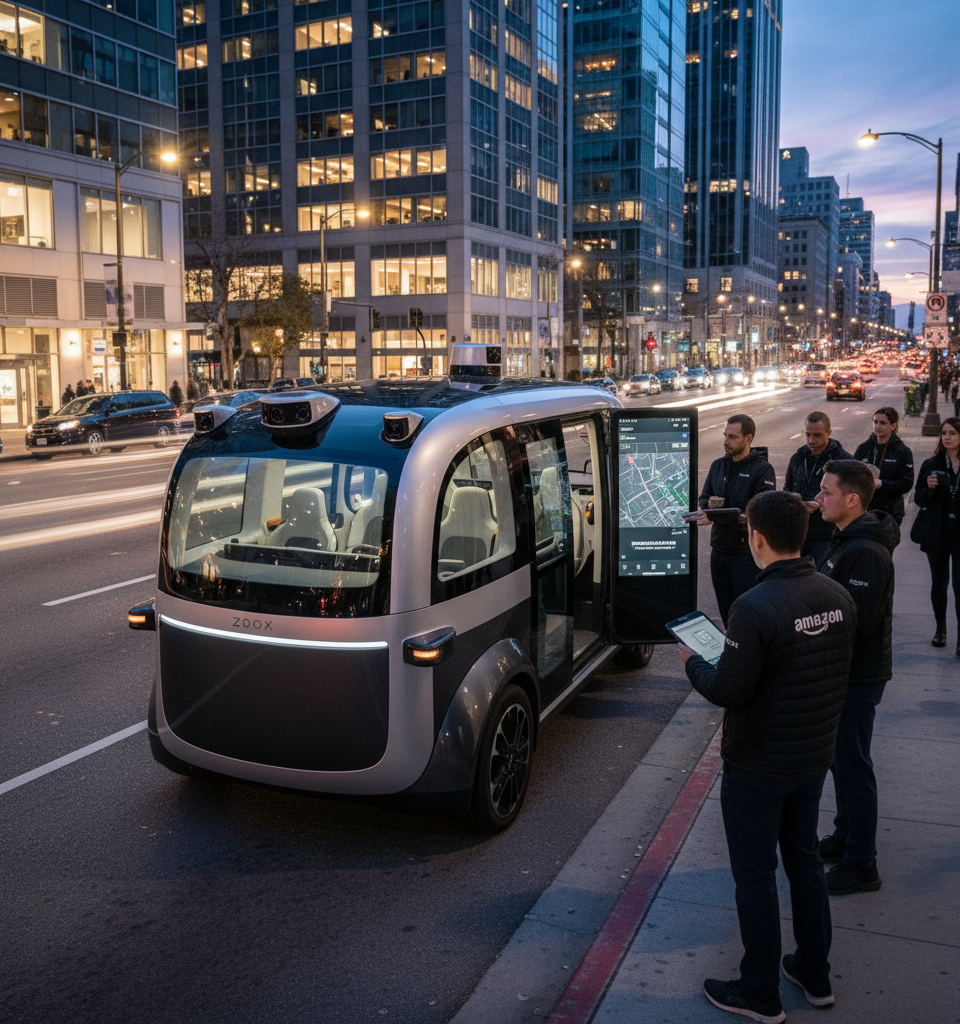
Zoox, Amazon's ambitious autonomous vehicle division, is on the cusp of a significant operational shift, marked by the unveiling of a redesigned robotaxi and a strategic push toward market expansion. The company is actively preparing to introduce its updated autonomous vehicles as it lays the groundwork for launching services in additional cities and, crucially, transitioning to a commercial model that will involve charging passengers for rides. This development signals Zoox's progression from a testing and development phase to a more public, revenue-generating operation within the competitive autonomous mobility landscape.
This impending expansion and commercialization represent a critical juncture for Zoox and Amazon's broader involvement in the self-driving sector. Since its acquisition by Amazon in 2020 for an estimated $1.2 billion, Zoox has been developing its bespoke, bidirectional electric robotaxi, designed from the ground up for autonomous ride-hailing. The initial public unveiling of its vehicle in late 2020 marked a significant step, showcasing a design without traditional controls, seating four passengers face-to-face, aiming to maximize interior space and rider experience. The current redesign suggests refinements based on extensive testing and user feedback, preparing the vehicle for real-world service.
The decision to update the robotaxi and pursue expansion underscores the immense investment and strategic importance Amazon places on autonomous technology. Expanding into additional markets will involve navigating complex regulatory environments and building out robust operational infrastructures. The move to charge for rides is a pivotal step toward financial sustainability, testing the market's readiness for purpose-built robotaxi services and Zoox's ability to compete with established ride-sharing platforms and other autonomous vehicle developers. This shift will provide vital data on consumer acceptance, pricing strategies, and the operational efficiency required to scale.
Industry Implications and Competitive Landscape
The broader autonomous vehicle industry is a highly dynamic and capital-intensive sector, with numerous players vying for market dominance. Zoox's impending expansion and commercialization efforts place it in direct competition with companies like Waymo (Alphabet's self-driving unit) and Cruise (GM's subsidiary), both of which have already initiated paid public robotaxi services in select cities. The success of Zoox's updated vehicle and service launch could significantly influence the competitive dynamics, potentially accelerating the deployment timelines for other companies and intensifying the race to achieve safe, scalable, and profitable autonomous mobility.
Analysts are closely watching Zoox's move, particularly given Amazon's vast resources and logistical expertise. The company's unique approach of developing a purpose-built vehicle, rather than modifying existing cars, aims to offer a differentiated user experience optimized for autonomous travel. The redesign could focus on enhancing passenger comfort, improving sensor integration, or further streamlining the vehicle's manufacturing process, all critical factors for widespread adoption and economic viability.
Operational Challenges and Future Outlook
Launching and expanding an autonomous ride-hailing service presents a myriad of operational challenges. These include securing necessary permits, establishing maintenance and charging infrastructure, dealing with edge cases in complex urban environments, and ensuring public trust and safety. The ability to seamlessly integrate the redesigned robotaxis into new operational zones while maintaining high safety standards will be paramount to Zoox's long-term success. Overcoming these hurdles will require continuous technological advancements and strong collaboration with local authorities.
The next phase for Zoox will likely involve a gradual rollout, starting with limited operational design domains (ODDs) in carefully selected cities before pursuing broader expansion. The insights gained from initial paid services will be instrumental in refining its technology, business model, and customer experience. As Zoox prepares to monetize its service, the performance and reliability of the redesigned robotaxi will be under intense scrutiny, shaping its trajectory within the burgeoning autonomous mobility sector and solidifying Amazon's position as a key innovator in future transportation solutions.