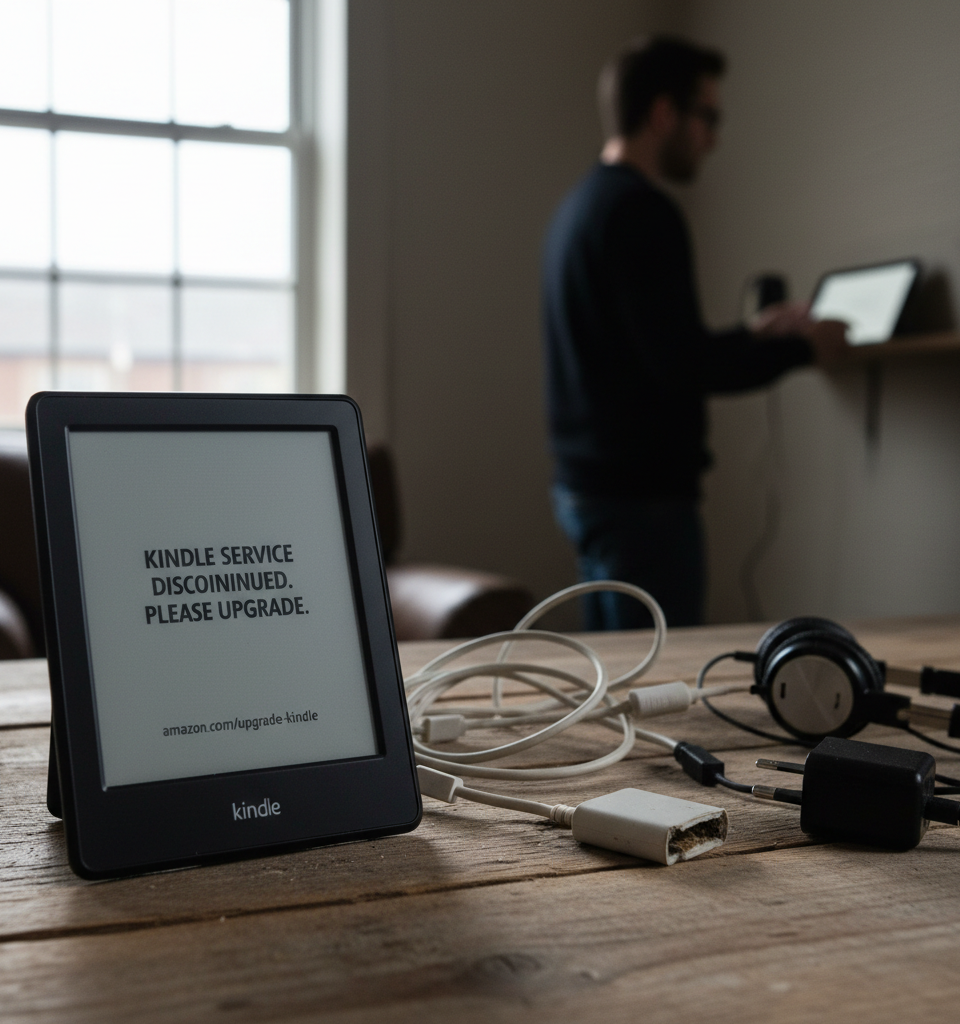
SEATTLE, WA – Amazon, the global e-commerce and technology giant, has announced the cessation of internet connectivity and content synchronization services for its Kindle e-readers manufactured in 2012 or earlier. This significant policy shift, communicated to affected users this week, means that these legacy devices will no longer be able to download new e-books, access the Kindle Store directly, or perform cloud-based updates. While previously downloaded content will remain accessible, the move effectively transforms these older Kindles into offline-only readers, necessitating a device upgrade for users wishing to continue modern e-reading experiences.
The End of an Era for Early Kindle Adopters
This decision marks a notable turning point for Amazon's pioneering e-reader line, which revolutionized digital reading upon its debut in 2007. The affected devices, including the original Kindle, Kindle 2, Kindle DX, Kindle Keyboard (3rd Generation), Kindle Touch (4th Generation), and the 5th generation Kindle (released in 2012), represent the foundational models that introduced millions to the convenience of digital literature. For many, these devices have served faithfully for over a decade, embodying Amazon's early commitment to long-term hardware support, a commitment now being rolled back. The practical implication is a forced obsolescence of features, pushing a significant user base towards investing in newer Amazon hardware.
Technical Limitations and User Impact
The root cause of Amazon’s decision stems primarily from evolving internet security protocols and hardware limitations. Older devices often lack the necessary updated encryption standards and processing power to securely maintain connections with modern web services. Specifically, many of these Kindles communicate using outdated cellular technologies (like 3G) that telecommunication companies are rapidly phasing out, or older Wi-Fi standards that pose security risks. The company stated in an email to users that the change is “necessary for the continued smooth operation of the Kindle ecosystem,” without elaborating on specific technical vulnerabilities. Users retaining these older models can still transfer content via USB from a computer, but the seamless, on-device purchasing and cloud synchronization experiences will be terminated.
A Broader Trend of Device Obsolescence
Amazon's move mirrors a broader industry trend where technology companies periodically retire support for older hardware. This practice, often driven by maintenance costs, security concerns, and the desire to innovate, impacts everything from smartphones to smart home devices. While the exact number of active pre-2013 Kindles remains proprietary information, a survey conducted by Statista in 2021 indicated that approximately 3% of e-reader owners still used devices from before 2013, suggesting a potential impact on hundreds of thousands, if not millions, of users globally. This decision could also be seen as an effort to streamline development cycles and focus resources on newer, more profitable devices like the Kindle Paperwhite and Kindle Oasis, which offer features such as backlighting, higher resolution screens, and waterproof designs.
Analyst Perspectives on Profitability and Platform Control
Industry analysts view Amazon's strategy as a calculated move to optimize its hardware and content ecosystem. "While it might irk some long-time users, ending support for truly ancient devices is a standard lifecycle management practice," comments Dr. Eleanor Vance, a technology analyst at TechVision Research. "Amazon benefits on multiple fronts: it reduces the engineering overhead of supporting outdated firmware, encourages upgrades to newer, higher-margin devices, and indirectly reinforces its walled garden approach to content delivery. For a company like Amazon, ensuring secure and efficient content delivery is paramount to their business model, which relies heavily on e-book sales." Dr. Vance also suggests that this strategy helps maintain data security for users, as older devices are more susceptible to potential exploits.
The Future of Kindle and Digital Reading
The retirement of older Kindle support underscores the dynamic nature of digital reading technology. Looking ahead, Amazon is expected to continue innovating its Kindle line with enhanced features, potentially including color e-ink displays, more advanced accessibility options, and deeper integration with other Amazon services like Audible. This change also highlights the ongoing debate around digital ownership versus licensing, as users often own a license to content rather than the content itself, making its accessibility subject to platform changes. For consumers, the message is clear: while digital devices offer unparalleled convenience, they come with an inherent lifecycle that will, at some point, require an upgrade to maintain full functionality. As Amazon moves forward, its focus will undoubtedly remain on capturing new users and retaining existing ones with cutting-edge devices and a seamless content experience, leaving the first generation of e-readers as relics of a pioneering digital past.