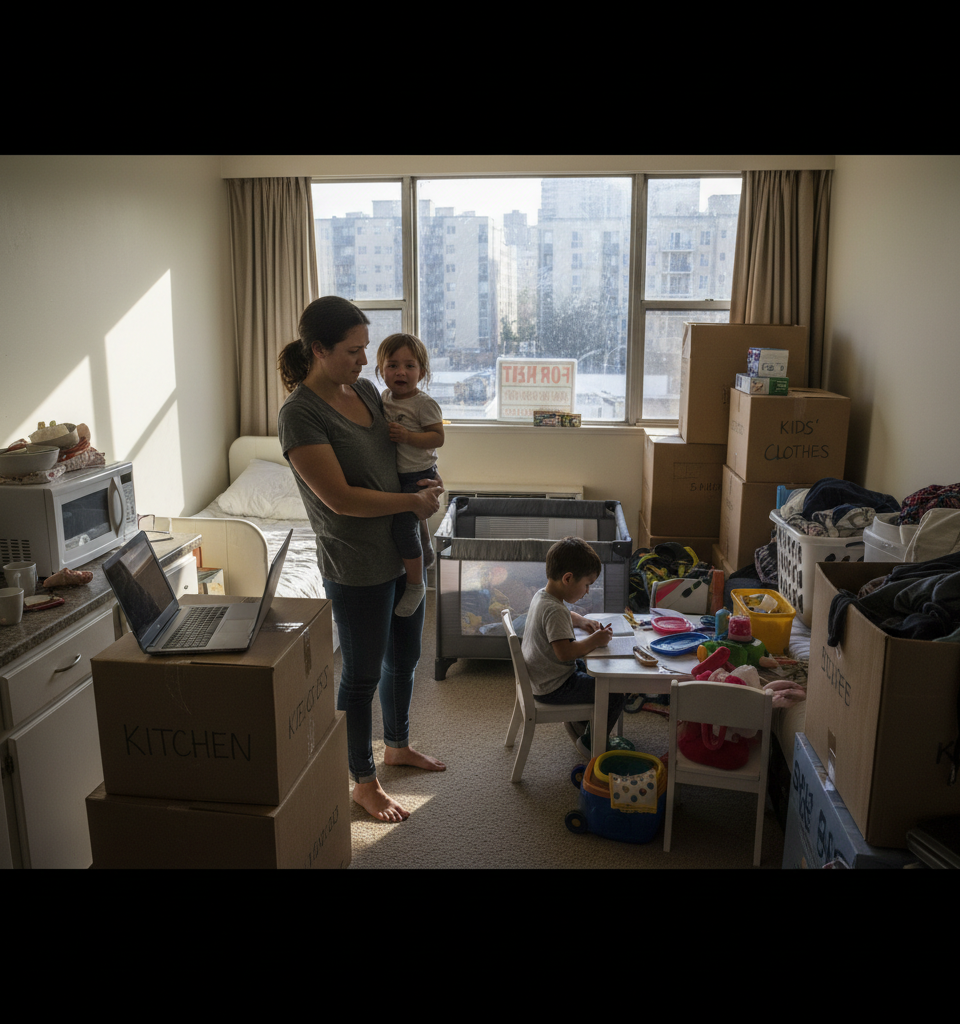
The United States is currently grappling with parallel, yet deeply intertwined, crises in its housing and childcare sectors, each presenting a deficit of approximately 4 million units. This dual scarcity is manifesting as a profound affordability crunch, impacting millions of American families and portending substantial macroeconomic consequences. The lack of accessible, affordable housing and high-quality childcare is actively undermining economic growth, exacerbating income inequality, and forcing difficult choices upon parents nationwide.
The Deepening Crisis and its Roots
This isn't merely a cyclical economic downturn; it's a structural deficiency with decades-long roots. The housing crisis stems from chronic underbuilding, restrictive zoning laws, and a surge in demand that has outpaced supply for years. Simultaneously, the childcare sector has been plagued by low wages for workers, high operational costs for providers, and insufficient public investment, leading to widespread closures and limited availability. The COVID-19 pandemic further exposed and amplified these fragilities, as supply chain disruptions, labor shortages, and inflation drove costs higher for both housing construction and childcare services, pushing both sectors to breaking points.
Stark Numbers and Real-World Impact
The figures are stark: the National Association of Realtors estimates a housing supply gap exceeding 4 million units, while the Center for American Progress reports a similar shortage in licensed childcare slots. For families, this translates into exorbitant costs. The median rent in many major metropolitan areas now consumes over 30% of a typical household's income, while the average annual cost of infant care can exceed $15,000, surpassing college tuition in 33 states. These expenses often force parents, particularly mothers, out of the workforce, sacrificing career progression and exacerbating labor shortages in a tight job market. A recent survey revealed that nearly one-third of parents considered leaving their jobs or reducing hours due to childcare costs.
Broad Economic Ramifications
The convergence of these shortages has profound implications for the broader economy. Businesses struggle to attract and retain employees when housing is unaffordable and childcare is unavailable, leading to higher turnover and reduced productivity. Diminished workforce participation, particularly among women, curtails economic output and innovation. Furthermore, families dedicating an outsized portion of their income to housing and childcare have less disposable income for other goods and services, dampening consumer spending—a primary driver of the U.S. economy. The cumulative cost of childcare challenges to the U.S. economy is estimated at $122 billion annually.
Expert Analysis and Warnings
Economists and policy experts are increasingly sounding the alarm. Dr. Sarah Jones, a labor economist, recently stated, "These dual scarcities are acting as a significant drag on economic potential. We're seeing a direct correlation between housing and childcare costs and the shrinking middle class." Urban planning expert, Dr. Michael Chen, added, "Until we address systemic zoning barriers and incentivize construction across all income levels, the housing crisis will continue to spiral." There's a growing consensus that without robust, coordinated policy interventions, these issues will continue to erode economic stability and exacerbate social inequities.
The Path Forward: Policy and Investment
Addressing these complex challenges requires a multi-pronged approach. For housing, solutions include reforming exclusionary zoning laws, incentivizing the construction of diverse housing types, investing in affordable housing initiatives, and streamlining permitting processes. For childcare, increased public investment is crucial, potentially through subsidies for families, grants for providers, universal pre-kindergarten programs, and improved wages for childcare workers. Bipartisan efforts to expand the Child Tax Credit could also provide much-needed relief to families. Several states are piloting innovative programs, such as public-private partnerships for childcare facilities and land value tax reforms to encourage housing density.
Future Implications and Urgency
The long-term implications of inaction are severe: a less competitive workforce, continued economic stratification, and greater instability for American families. As the U.S. population continues to grow and demand for both housing and childcare persists, the urgency of these issues intensifies. Policymakers face increasing pressure to develop comprehensive strategies that recognize the symbiotic relationship between these two critical sectors. The ability of the nation to thrive economically and socially hinges on its capacity to provide foundational support for its citizens: a stable home and reliable care for their children.