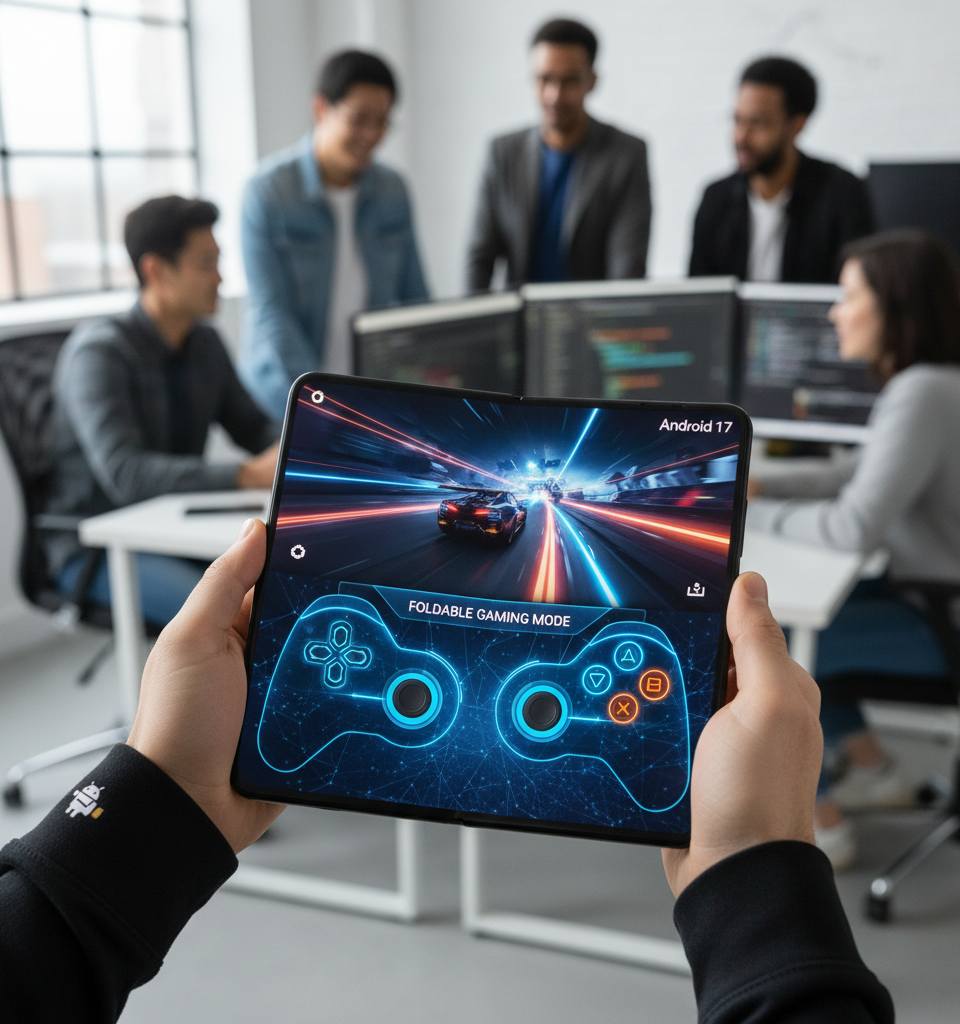
Android 17 is poised to introduce a significant new feature for foldable smartphone users: a dedicated Foldable gaming mode. This upcoming functionality, previewed by Google employee and former journalist Mishaal Rahman, indicates a renewed focus on gaming-specific enhancements within the core Android operating system. The mode is designed to optimize the experience of playing games on unfolded devices by intelligently splitting the interface.
Historically, gaming-specific features have not been a frequent addition to the foundational Android platform. The introduction of a dedicated mode for foldable devices signals Google's recognition of the evolving hardware landscape and the unique opportunities it presents for user interaction. As foldable form factors become more prevalent, specialized software support is crucial for delivering a seamless and compelling user experience, particularly in resource-intensive applications like gaming.
The core of the Foldable gaming mode lies in its innovative display split. When activated on an unfolded device, the game itself will occupy the top half of the screen, while a highly customizable virtual controller will dynamically appear on the bottom half. Initially, this split is conceived as a 50/50 division, creating a distinct two-pane experience that mimics dedicated handheld gaming consoles. This approach aims to address the ergonomic challenges and control limitations often associated with mobile gaming on larger, flexible screens.
Industry Impact and Device Evolution
The implementation of a specialized gaming mode for foldables could significantly influence hardware design and software development within the Android ecosystem. Device manufacturers producing foldable phones may begin to prioritize screen aspect ratios and hinge designs that complement this 50/50 split, potentially leading to more optimized gaming experiences. Furthermore, game developers might be incentivized to design their titles with this dual-screen layout in mind, either by offering native support or by ensuring robust compatibility with the virtual controller interface.
This development comes at a time when the foldable phone market is experiencing steady growth, albeit from a relatively small base. Enhancing the entertainment capabilities of these devices, especially for a popular use case like gaming, could serve as a key differentiator. It positions foldable phones not just as productivity tools but also as viable platforms for immersive gaming, potentially attracting a broader consumer base interested in portable entertainment.
User Experience and Customization
A key aspect highlighted in the preview is the highly customizable nature of the virtual controller. While specifics regarding the extent of this customization are yet to be fully detailed, it suggests that users will have the flexibility to arrange buttons, sticks, and other controls to their preference. This level of personalization is critical for a virtual controller, as it directly impacts playability and user comfort—factors that can make or break a mobile gaming experience. The ability to tailor controls could alleviate common frustrations with on-screen buttons, which often lack tactile feedback and can obscure gameplay.
Future Implications for Android Gaming
The introduction of Foldable gaming mode with Android 17 could be a precursor to more gaming-centric features within the Android core. It establishes a precedent for Google to actively develop and integrate functionalities that cater to specific hardware configurations and user behaviors. This strategic move might lead to further optimizations for other device types, such as tablets or traditional smartphones, or even advancements in haptic feedback integration specifically for gaming.
As Android 17 moves closer to its official release, more details about this feature are expected to emerge. The success of Foldable gaming mode will likely depend on its adaptability across various foldable devices, the responsiveness of the virtual controller, and the willingness of game developers to embrace and optimize for this novel input method. Ultimately, it represents a concerted effort by Google to enhance the gaming experience on a rapidly evolving class of mobile hardware.