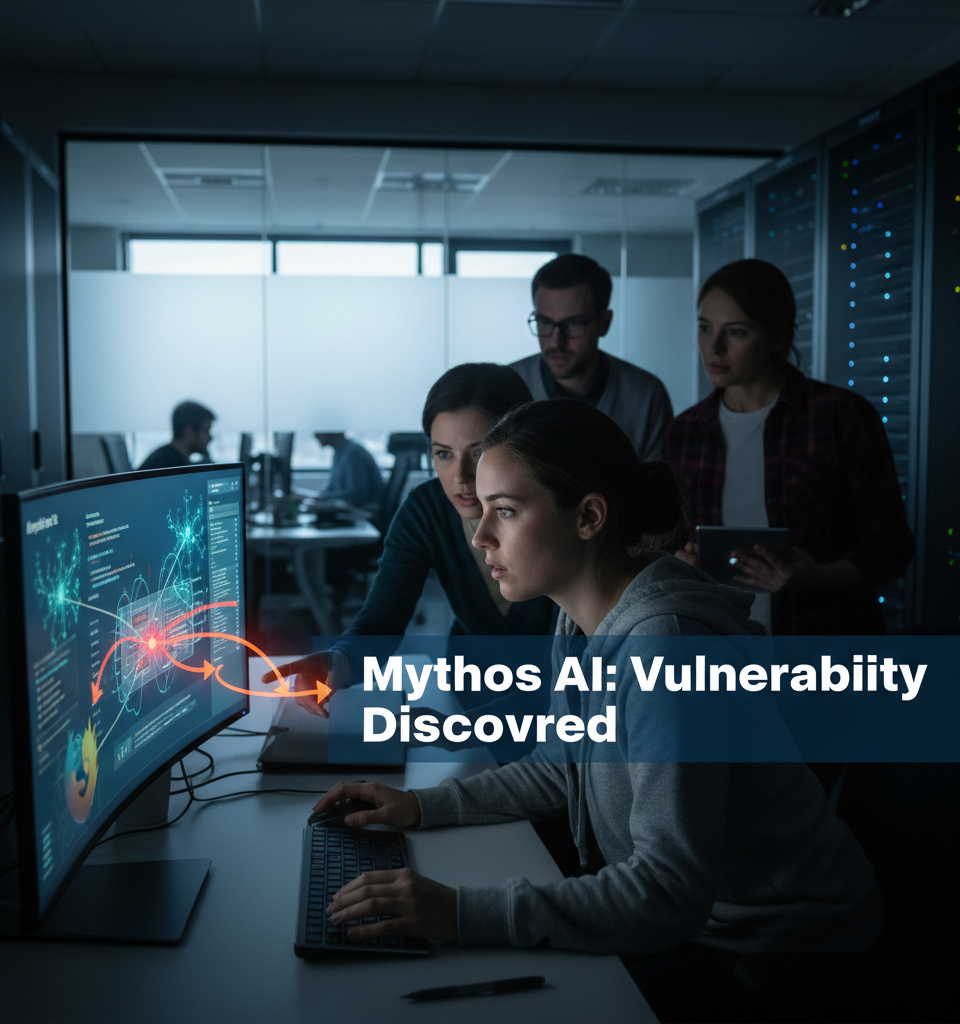
Mozilla security researchers have confirmed that Anthropic's advanced AI model, Mythos, has revolutionized their approach to identifying software vulnerabilities, specifically within the Firefox browser. This groundbreaking collaboration has led to the discovery of a substantial number of high-severity bugs, significantly bolstering the browser's security landscape and underscoring the transformative potential of artificial intelligence in cybersecurity.
Context and Background
The digital threat landscape is perpetually evolving, with malicious actors constantly developing novel methods to exploit software weaknesses. For an open-source project as widely used as Firefox, maintaining robust security is paramount. Historically, vulnerability detection has relied on a combination of human auditing, static analysis tools, and fuzzer-based testing. While effective, these methods can be time-intensive and may miss nuanced or complex vulnerabilities. The integration of AI, exemplified by Mythos, represents a paradigm shift, offering a scalable and sophisticated layer of defense against these ever-growing threats.
Key Details and Findings
According to reports from Mozilla's security team, Mythos has demonstrated an unprecedented ability to pinpoint intricate flaws that eluded conventional analysis. The AI model's capacity to understand code context and identify logical errors and obscure edge cases has been particularly impressive. While specific numbers on the exact quantity of bugs found or their critical nature were not immediately disclosed, Mozilla emphasized the high-severity classification of these discoveries, indicating potential for significant exploitation if left unaddressed. This includes memory safety issues, injection flaws, and other vulnerabilities that could lead to remote code execution or data breaches. The partnership involved training Mythos on vast datasets of code and known vulnerabilities, enabling it to recognize patterns indicative of weaknesses.
Industry and Market Impact
This development holds significant implications for the broader tech industry. The successful application of AI like Mythos in uncovering critical vulnerabilities in a complex, widely used application like Firefox validates the investment in AI-driven security tools. It signals a shift towards more proactive and efficient security auditing across various software development cycles. This could lead to increased adoption of similar AI solutions by major tech firms, cybersecurity companies, and even governmental organizations seeking to secure their critical infrastructure. The potential for cost savings, improved time-to-market for secure products, and a stronger global cybersecurity posture cannot be overstated.
Expert Perspective
Cybersecurity experts are largely optimistic about these advancements. Dr. Elena Petrova, a leading AI ethics and security researcher, commented, "Anthropic's Mythos demonstrates that general-purpose AI, when properly specialized, can reach human-level or even surpass human-level effectiveness in highly technical domains like vulnerability research. This is not just about finding more bugs; it's about finding them faster and finding the subtler ones that an attacker might leverage very creatively." Others point out that while AI can significantly enhance detection, human oversight remains crucial for validation, prioritization, and understanding the root causes of vulnerabilities.
What's Next for AI in Cybersecurity
The collaboration between Anthropic and Mozilla is likely to be a precursor to more widespread AI integration in cybersecurity. Future developments could include AI models capable of not just detecting but also suggesting remediation strategies or even automatically patching certain classes of vulnerabilities. We might also see AI playing a larger role in threat intelligence, predicting attack vectors based on global data, and evolving security measures in real-time. The ongoing advancements in large language models and code-generation AI will undoubtedly fuel this trend, pushing the boundaries of what's possible in automated security assurance. This partnership sets a strong precedent for how open-source communities and AI research firms can collaboratively strengthen the digital ecosystem against ever-present cyber threats.