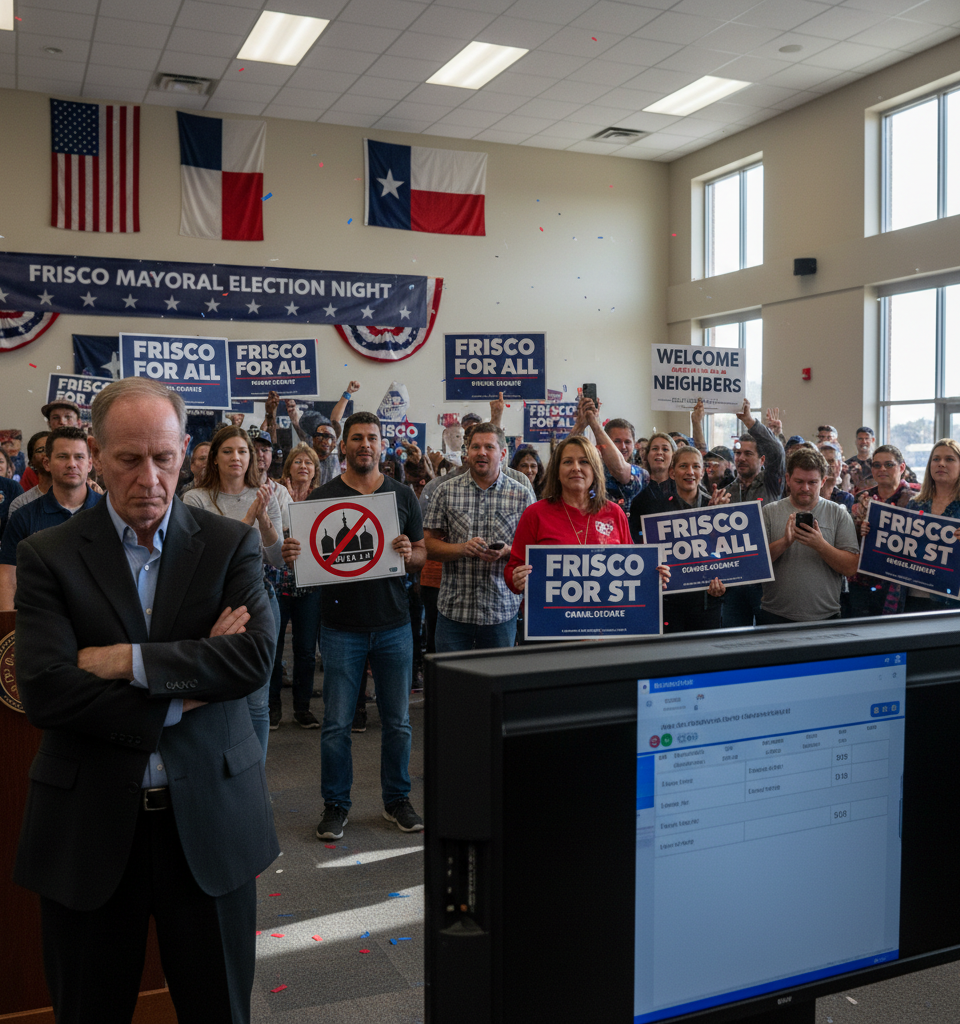
In a significant electoral development for the Dallas-Fort Worth metroplex, an anti-Islam candidate was defeated in the recent mayoral election for the burgeoning city of Frisco, Texas. The result is being interpreted by many observers as a direct repudiation of the often-inflammatory anti-Islamic rhetoric that has gained prominence within the Texas Republican Party in recent years. Frisco, one of the fastest-growing cities in the United States, saw its electorate choose a different path amidst heightened national and local debates surrounding immigration and cultural integration.
Context of Rapid Growth and Shifting Demographics
Frisco's swift expansion has made it a focal point for demographic shifts and the challenges associated with rapid urbanization. Located primarily in Collin and Denton counties, Frisco has consistently ranked among the fastest-growing cities in the nation for over two decades. This growth has brought a diverse array of residents, including a significant influx of immigrant communities. The demographic evolution of the city has naturally led to a more complex political landscape, where traditional platforms are increasingly challenged by new cultural and social considerations. The mayoral contest was not just about local governance but became a referendum on the city's identity and its embrace of multiculturalism in the face of national nativist trends.
The Role of Immigration Rhetoric in Local Politics
The election campaign was notably marked by the anti-Islamic rhetoric employed by the losing candidate. While specific statements and campaign materials were not detailed, the description indicates a clear alignment with sentiments often expressed by elements within the state GOP. This approach, which has seen varying degrees of success in other municipal and state-level elections, apparently failed to resonate with the majority of Frisco voters. The outcome suggests that for a significant portion of the electorate in a diverse and expanding city like Frisco, such divisive rhetoric may be counterproductive, particularly in matters of local leadership focused on community cohesion and economic development.
Broader Implications for the Texas GOP
The defeat of a candidate campaigning on an anti-Islamic platform in a prominent Texas city could send a signal to the broader Republican Party in the state. For several years, elements within the Texas GOP have increasingly adopted and amplified rhetoric critical of Islam and immigration. This strategy has been a double-edged sword, galvanizing some segments of the conservative base while potentially alienating moderate voters and the growing immigrant populations crucial to Texas' future. The Frisco result might prompt a reevaluation of this messaging strategy, particularly in suburban areas that are becoming increasingly diverse and where economic growth is tied to attracting a global workforce.
What This Means for Frisco's Future
With the election now decided, Frisco is expected to continue its trajectory of growth and development under leadership that has seemingly been endorsed for a more inclusive approach. The new mayoral administration will likely confront ongoing challenges related to infrastructure, education, and social services, all within a context of rapid population increase. The emphasis will shift from the divisive rhetoric of the campaign to the practicalities of governing a dynamic and diverse city, fostering an environment where all communities feel integrated and represented. The election’s outcome reinforces the idea that in certain rapidly evolving Texas municipalities, calls for unity and community building may outweigh campaigns centered on cultural anxieties and division.
Looking ahead, political observers will closely watch Frisco to see how its new leadership navigates the complexities of governing a diverse metropolis. The election’s aftermath will also scrutinize the impact on the state’s political discourse as parties assess what strategies resonate in Texas’ fast-changing urban and suburban landscapes. This mayoral race may serve as a case study for how local elections can reflect and influence broader political narratives around immigration, diversity, and community identity in a state undergoing profound demographic transformation.