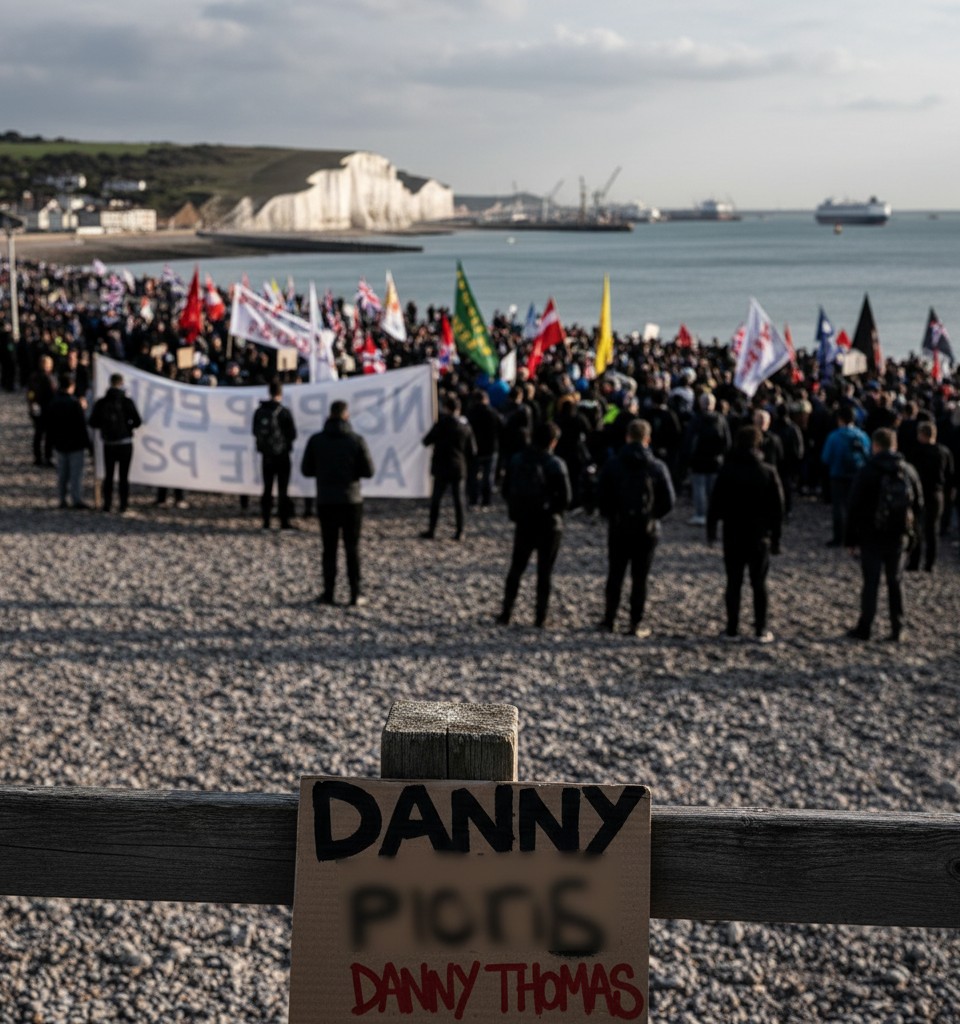
The ongoing social and political divisions fueled by migration policies pose risks to regional stability and could influence national economic investment decisions. Business leaders will monitor how these events shape public discourse and regulatory responses to immigration across the UK.
UK correspondent Daniel Sandford is currently examining the emerging links between anti-migrant protests that occurred over the weekend in the port towns of Dover and Portsmouth. The analysis focuses on understanding the organizational structures behind these demonstrations, particularly the involvement of figure Danny Thomas.
Unpacking the Protests
The weekend saw demonstrations in two key port locations, Dover in Kent and Portsmouth in Hampshire, both significant entry points for cross-Channel traffic and, at times, migrant arrivals. These protests reportedly shared common themes, primarily opposing the arrival of migrants, particularly those arriving via small boats. Sandford's work seeks to clarify if these events were coordinated or if they represent separate, yet ideologically aligned, localized efforts.
The Role of Danny Thomas
A central figure in Sandford's investigation is Danny Thomas, identified as an organizer of these anti-migrant protests. The analysis aims to shed light on Thomas's background, his methods of mobilization, and his broader network, if any. Understanding the leadership and operational aspects of such movements is crucial for comprehending their potential scale and impact.
Broader Context of Migrant Crossings
The protests unfold against a backdrop of continued efforts by individuals to cross the English Channel in small boats, a persistent and politically charged issue in the UK. Government policies and public sentiment regarding immigration have been increasingly scrutinized, creating a fertile environment for organized protests. The demonstrations reflect a segment of public opinion concerned with immigration levels and border control.
Potential Implications and Future Outlook
The ongoing analysis by Daniel Sandford could reveal deeper patterns of organization or broader coordination among anti-migrant groups. Such findings would be significant for policymakers, law enforcement, and civil society organizations attempting to navigate the complexities of immigration debate and public order. The examination of Danny Thomas's role may offer insights into how these movements are initiated and sustained. Future developments will likely depend on the continued frequency of migrant arrivals and the political response to these public demonstrations.