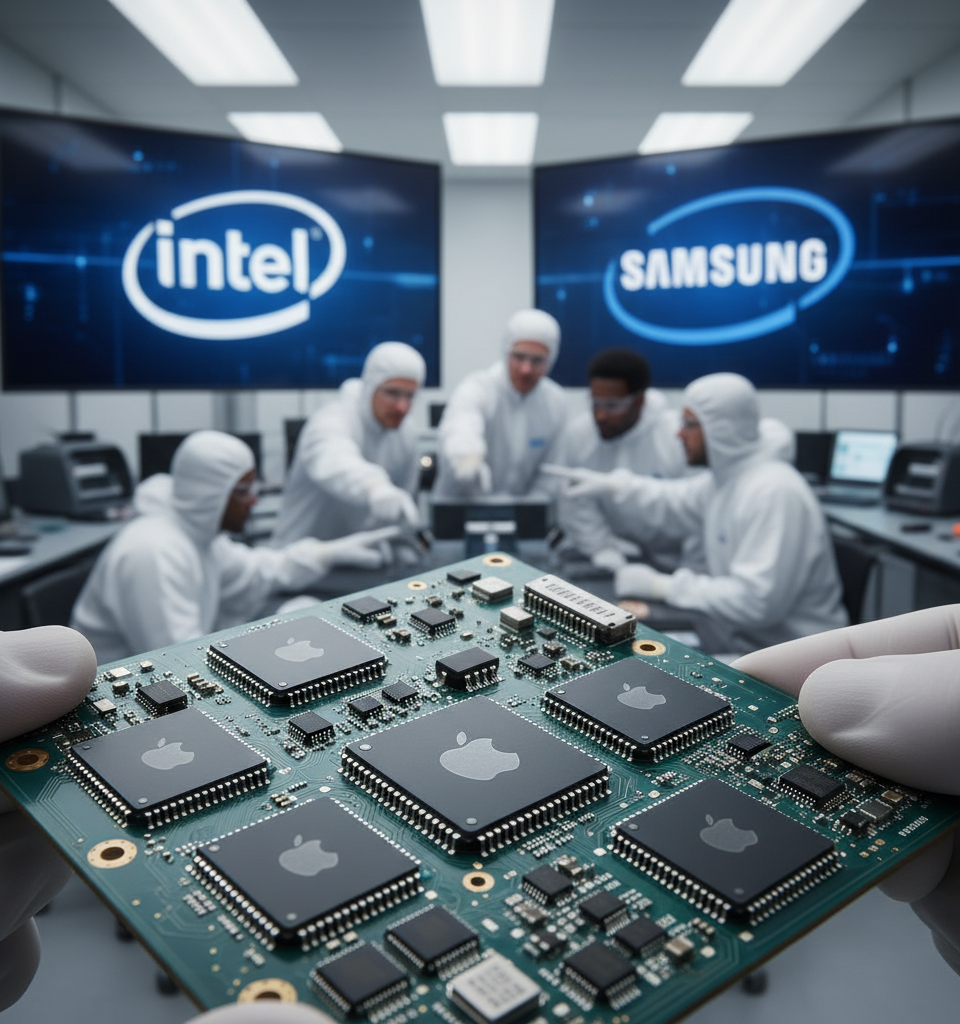
Cupertino, California — Apple Inc. is reportedly engaging in advanced discussions with semiconductor giants Intel Corporation and Samsung Foundry for the potential manufacturing of its bespoke device processors, according to sources familiar with the matter. This strategic outreach underscores Apple's proactive efforts to enhance the resilience and flexibility of its global supply chain, particularly in critical component sourcing. The move is a significant indicator of Apple's perceived vulnerability arising from its current concentrated manufacturing dependencies.
Shifting Supply Chain Dynamics
The discussions come at a time of heightened global awareness regarding supply chain vulnerabilities, exacerbated by recent geopolitical tensions, trade disputes, and the lingering effects of the COVID-19 pandemic. For years, Apple has relied predominantly on Taiwan Semiconductor Manufacturing Company (TSMC) to produce the advanced A-series and M-series chips that power its iPhones, iPads, and Mac computers. While TSMC has consistently delivered cutting-edge technology and unparalleled scale, Apple's executives are keenly aware of the risks associated with a single-source fabrication strategy, particularly given TSMC's significant operational footprint in Taiwan, a region with elevated geopolitical complexities. Diversifying its foundry partners would be a fundamental shift in Apple's supply chain management, aimed at mitigating potential disruptions.
Key Strategic Negotiations
While details of the discussions remain confidential, it is understood that initial negotiations would likely focus on securing capacity for future generations of Apple's custom silicon. Intel, under CEO Pat Gelsinger, has aggressively pursued a foundry services expansion, aiming to recapture its historical leadership in semiconductor manufacturing and offer its advanced processes to external clients. Similarly, Samsung Foundry, a long-standing competitor to TSMC and supplier to numerous technology firms, presents a viable alternative with its advanced process nodes. Any agreement would represent a monumental win for either Intel or Samsung, potentially involving billions of dollars in manufacturing contracts and significant technology transfers. The complexity of transferring Apple's proprietary chip designs to new fabrication processes is immense, requiring meticulous collaboration and substantial validation.
Broader Industry Implications
Apple's potential diversification sends ripples across the semiconductor industry. For TSMC, while still the undisputed leader, it signals an increased competitive landscape and could prompt further investment in geographic diversification of its own. For Intel, securing Apple as a foundry customer would be a transformative validation of its IDM 2.0 strategy and a powerful signal to other potential clients globally. For Samsung, it would cement its position as a top-tier global foundry, further intensifying its rivalry with TSMC. The entire industry watches closely, as Apple's procurement decisions often dictate trends and technological advancements across the broader market.
Expert Analysis and Future Outlook
Semiconductor industry analysts largely view Apple's reported discussions as a prudent, long-term strategic play rather than an immediate indictment of TSMC's capabilities. "Apple's move is less about dissatisfaction and more about strategic risk management," notes Dr. Chen Li, a leading analyst at TechInsights. "Having a secondary, or even tertiary, fabrication partner provides critical redundancy and negotiating leverage, especially as chip complexities and demand continue to escalate." Analysts anticipate that while TSMC will likely remain Apple's primary manufacturer for the foreseeable future, securing even a 10-20% allocation from another foundry would significantly de-risk Apple's future product roadmap and provide valuable contingency plans during periods of high demand or unforeseen supply disruptions.
The Road Ahead for Apple's Silicon Strategy
Looking ahead, any concrete agreements are likely years away from full implementation, given the extensive qualification processes required for advanced chip manufacturing. Apple's long-term vision includes maintaining a robust pipeline of custom silicon, and securing diversified manufacturing channels is paramount to achieving that goal without interruption. The company is expected to continue investing heavily in its in-house chip design capabilities, ensuring that its hardware remains differentiated and optimized for its software ecosystem. The ultimate success of these talks will profoundly influence Apple's ability to innovate and deliver next-generation devices consistently in an increasingly volatile global economy.