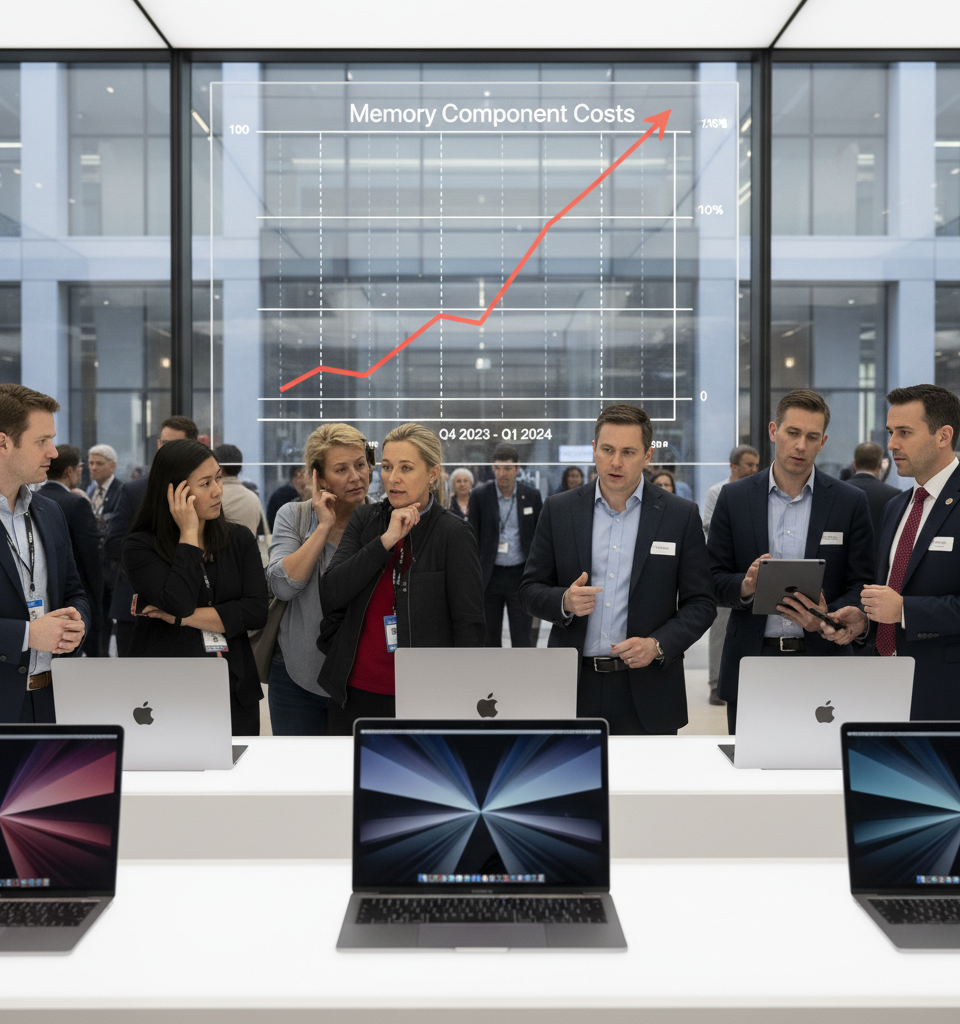
In a significant development for consumers and the technology market, Apple has reportedly implemented price increases of $200 or more on certain models within its Mac and iPad product lines. These adjustments come shortly after Apple CEO Tim Cook indicated that escalating memory costs were making such price revisions "unavoidable." The precise models affected by these increases have not been fully specified, but the reported magnitude of the hikes suggests a broad impact on the premium segments of Apple's computing and tablet offerings.
Context and Industry Trends
This pricing strategy unfolds against a backdrop of persistent inflationary pressures in the global supply chain, particularly within the semiconductor and component markets. Memory—specifically DRAM and NAND flash—is a critical and substantial cost component for nearly all modern electronic devices, including high-performance computers and tablets. Recent quarters have seen fluctuations, and in some cases, significant upward trends in the pricing of these memory components, directly affecting manufacturers' bills of materials. Apple, known for its strong profit margins and premium pricing, often faces scrutiny over its cost structures, and any significant input cost changes are typically passed on, at least partially, to the consumer.
Specifics of the Price Adjustment
While specific model breakdowns have not been detailed, the core information indicates increases of at least $200 on certain Mac and iPad configurations. This increment suggests that the affected models are likely those with higher memory configurations or professional-grade specifications, where the impact of memory cost increases would be most pronounced. For instance, a base model iPad might see a smaller, albeit still notable, increase, while a high-end MacBook Pro or an iPad Pro with expanded storage could bear the brunt of these price adjustments. The timing of these changes, roughly a week after Cook's public statement, underscores the immediacy of the cost pressures Apple is experiencing.
Impact on Consumers and Market Dynamics
The price increases are expected to affect consumer purchasing decisions, especially for budget-conscious buyers or those considering upgrades. While Apple's loyal customer base often demonstrates a willingness to pay a premium for its ecosystem and perceived quality, significant price hikes could slow sales growth in certain segments. In the broader personal computing and tablet markets, where competition remains fierce, this move could provide a competitive advantage to brands that manage to keep their prices stable, even if it means thinner margins for them. However, if rising memory costs are affecting the entire industry, other manufacturers may soon follow with similar price adjustments.
Broader Market Implications
This development from Apple could signal a broader trend across the consumer electronics sector. As a major procurer of components, Apple's pricing actions often reflect underlying market conditions that affect the entire industry. If memory costs continue their upward trajectory, it is highly probable that other Original Equipment Manufacturers (OEMs) will also be compelled to raise prices on their laptops, tablets, and even smartphones. This could lead to a general increase in consumer electronics pricing throughout the year, potentially impacting overall market demand and sales volumes during key shopping periods.
Looking Ahead
The decision to raise prices, directly attributed by CEO Tim Cook to "unavoidable" higher memory costs, highlights the persistent challenges in managing global supply chains and component pricing. Future implications could include Apple exploring alternative component suppliers, investing more heavily in in-house memory development, or optimizing its product stack to offer compelling options at various price points despite rising input costs. Consumers and industry observers will be watching closely to see if these increases are a temporary measure or indicative of a more sustained shift in Apple's pricing strategy amidst evolving economic conditions and component availability.