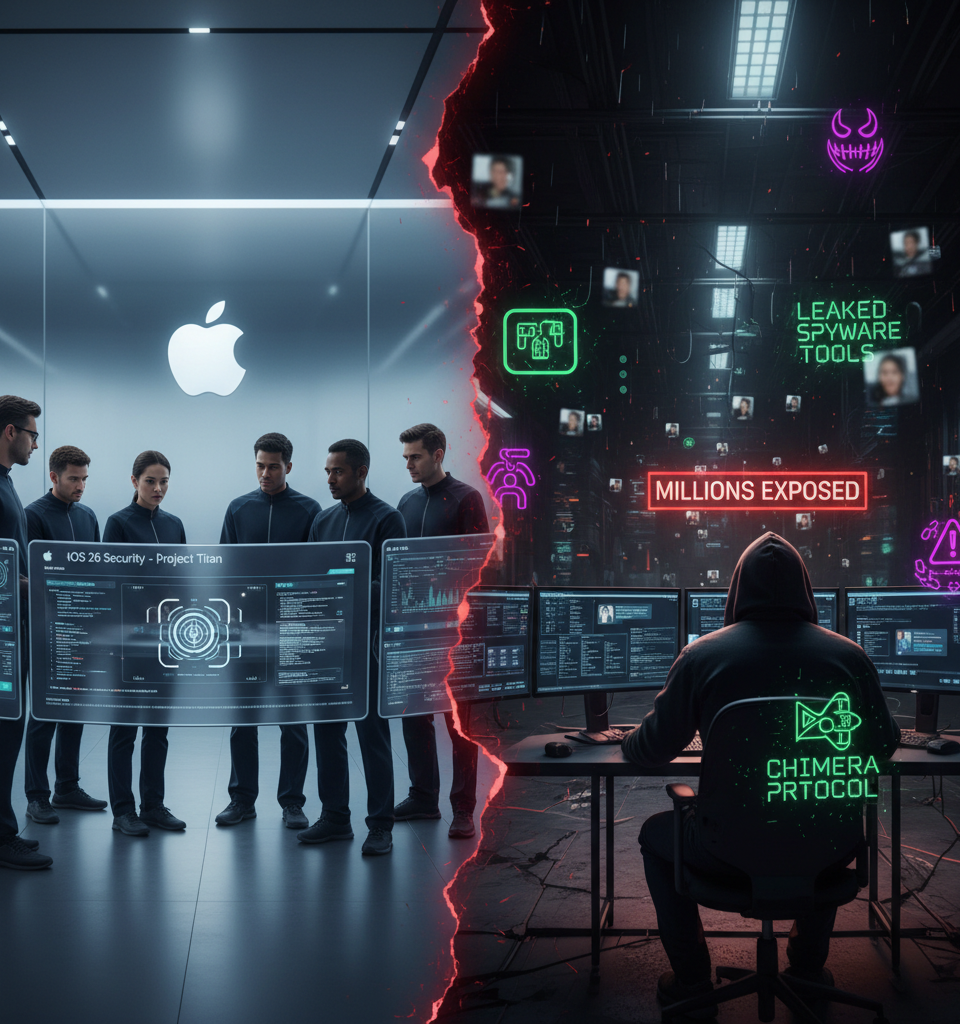
Cupertino, CA – May 19, 2026 – Millions of older iPhone users remain vulnerable to sophisticated spyware attacks following the leak of potent hacking tools, even as Apple touts significant security strides with its latest operating system, iOS 26. This stark reality underscores a persistent challenge for device manufacturers: bridging the security gap between cutting-edge software and the vast installed base of legacy hardware. The leaked tools specifically target older iOS versions, bypassing the enhanced protections integrated into more recent updates.
This development is particularly concerning given the pervasive nature of state-sponsored and commercially available spyware, which has become a significant threat to journalists, activists, and even ordinary citizens. The availability of these tools in the illicit market lowers the barrier to entry for malicious actors, potentially enabling a wider range of groups to deploy highly intrusive surveillance capabilities. The security of personal data and communications on seemingly secure devices is now under renewed scrutiny, casting a shadow over the industry's efforts to bolster digital defenses.
The Security Paradox: New OS, Old Vulnerabilities
The paradox lies in the bifurcation of Apple's security posture. While iOS 26 introduces robust new features designed to counter the latest threats, these advanced defenses do not retroactively secure devices running older iterations of the operating system. iPhones that are no longer eligible for the latest iOS updates, or users who have not yet updated their devices, are now at significantly elevated risk. Cybersecurity experts are vocal in their assessment, emphasizing that the sheer volume of potentially exposed devices represents a critical vector for widespread compromise.
Industry analysts indicate that the lifecycle management of software updates continues to be a critical pain point. While Apple provides updates for many years, eventually older models are phased out of eligibility. This creates a window of opportunity for attackers who can reverse-engineer older vulnerabilities, knowing that those flaws will remain unpatched on a substantial portion of the global iPhone fleet. The leaked tools specifically exploit these enduring weaknesses, transforming theoretical risks into immediate and actionable threats.
Expert Commentary and Industry Implications
Cybersecurity experts are weighing in with urgent warnings. "The leakage of these tools is a game-changer for threat actors targeting older iOS hardware," one prominent cybersecurity researcher stated anonymously, highlighting the ease with which these vulnerabilities can now be leveraged. "Even if Apple patches critical flaws in iOS 26, the millions of devices stuck on older versions are essentially open targets. This isn't just about sophisticated state actors anymore; it lowers the bar for less resourced groups to conduct targeted surveillance."
The potential impact on user trust and the broader mobile ecosystem is substantial. Consumers often assume a high level of security with premium devices, and revelations of widespread vulnerability, even on older models, can erode that confidence. Device manufacturers may face increased pressure to extend security update lifespans or develop alternative retrospective security measures that can be applied to older hardware, possibly through firmware updates or enhanced app-level protections.
Ahead: Mitigating the Risk for Legacy Devices
Looking ahead, the immediate priority for individuals with older iPhones is to ensure they are running the latest possible version of iOS compatible with their device. For those whose devices no longer receive updates, the advice becomes more drastic, potentially including upgrading to newer hardware or significantly altering usage patterns to minimize exposure to sensitive information. Enterprises and organizations managing fleets of older iPhones face the complex task of assessing risk, implementing compensatory controls, and potentially accelerating device refresh cycles.
Apple has not yet issued a specific public statement regarding these leaked tools. However, the company is expected to continue its aggressive patching policies for supported devices and reinforce its messaging around the importance of timely updates. The incident serves as a critical reminder that digital security is a continuous, evolving battle, and even industry leaders like Apple must contend with the legacy vulnerabilities inherent in their extensive user base. The coming months will likely see increased scrutiny on how companies address end-of-life device security, moving beyond just core operating system updates to ensure more comprehensive protection against exploit tool proliferation.