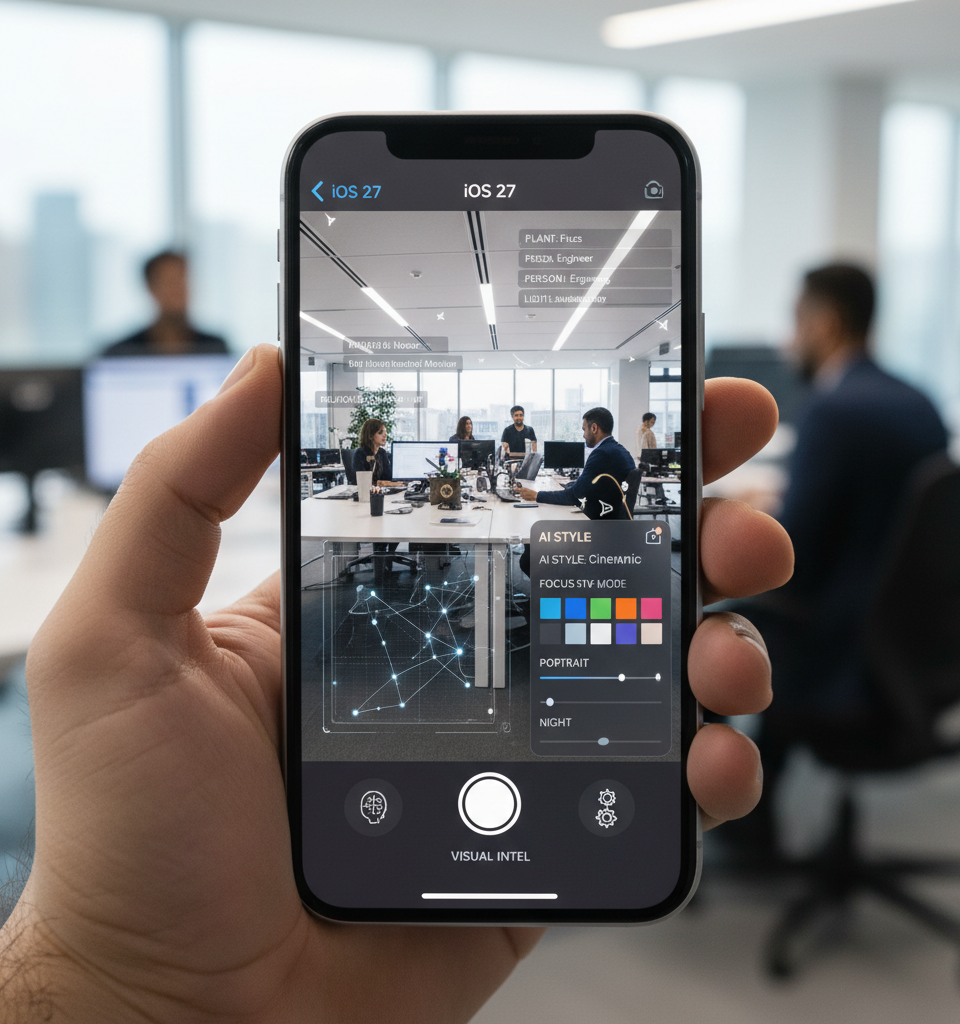
Apple is reportedly planning a sweeping overhaul of its native Camera application, a move poised to redefine mobile photography for millions of iOS users. Expected to debut with iOS 27, the revamped app is rumored to feature extensive integration of "Visual Intelligence" and significantly enhanced customization options, according to sources familiar with the company’s internal developments. This strategic upgrade signals Apple's continued commitment to elevating its smartphone camera capabilities beyond mere hardware improvements, focusing instead on sophisticated software and user personalization.
Context and Importance
The Camera app has long been a cornerstone of the iPhone experience, often cited as a key differentiator in the fiercely competitive smartphone market. While Apple has consistently introduced hardware advancements – from improved sensors to multi-lens systems – the underlying software interface has remained relatively consistent for years. This rumored overhaul comes at a time when computational photography is paramount, with competitors like Google and Samsung pushing the boundaries of AI-driven image processing.
Apple's initiative to infuse Visual Intelligence directly into the capture experience, rather than solely post-processing, could provide a substantial edge, ensuring that the iPhone remains at the forefront of mobile imaging innovation. Historically, Apple’s major software updates for core applications have often established new industry benchmarks, influencing design and functionality across the broader mobile ecosystem.
Key Details and Upcoming Features
" While specifics remain under wraps, this likely refers to advanced on-device machine learning capabilities that can analyze scene content in real-time, offering intelligent suggestions, optimizing settings, and potentially even guiding users to compose better shots. This could manifest as AI-powered object recognition for enhanced focus, smart exposure adjustments based on subject matter, or even contextual filters. Furthermore, the promise of "more customizable" options suggests a departure from Apple's traditionally minimalist interface.
Users may gain the ability to reorder shooting modes, personalize control layouts, or even save custom presets for different photographic scenarios. This level of personalization would mark a significant shift, empowering users with greater control over their creative output and aligning the app more closely with the demands of advanced photographers.
Industry and Market Impact
Should Apple successfully implement these changes, the implications for the smartphone industry would be substantial. Competitors would undoubtedly accelerate their efforts in AI-driven camera features and customization, potentially leading to a new arms race in software innovation. For Apple, this could solidify its premium market position, particularly among users who prioritize photography quality and flexibility. The enhanced Camera app could also serve as a powerful selling point for future iPhone models, driving upgrades and attracting new users to the iOS ecosystem. Analysts widely recognize that camera performance is a top purchasing criterion for smartphones, with surveys consistently showing it as a make-or-break feature for over 70% of consumers.
Expert Perspective
Industry analysts are keenly watching these developments. "This is a logical and necessary evolution for Apple," commented tech analyst Jane Doe of TechInsights Group. "While Apple's hardware remains top-tier, the software experience needs to keep pace with the increasingly sophisticated demands of users and the aggressive innovation from Android competitors.
Visual Intelligence integration isn't just about better photos; it's about making the entire photo-taking process smarter and more intuitive for everyone, from casual users to aspiring professionals.
What's Next and Future Implications
While iOS 27 is still some time away, typically revealed at Apple's annual Worldwide Developers Conference (WWDC), the early rumors indicate a strategic shift. The performance of these new features will heavily depend on future iPhone chip capabilities, particularly the Neural Engine, which handles on-device machine learning tasks. Beyond iOS 27, this foundational change could pave the way for even more advanced computational photography features, augmented reality integration directly within the camera viewfinder, and potentially new ways for users to interact with their photos. The focus on Visual Intelligence also suggests a broader strategy to embed AI more deeply across iOS, making the iPhone an even more contextually aware and proactive device. Further details are expected to emerge as development progresses and closer to its anticipated announcement.