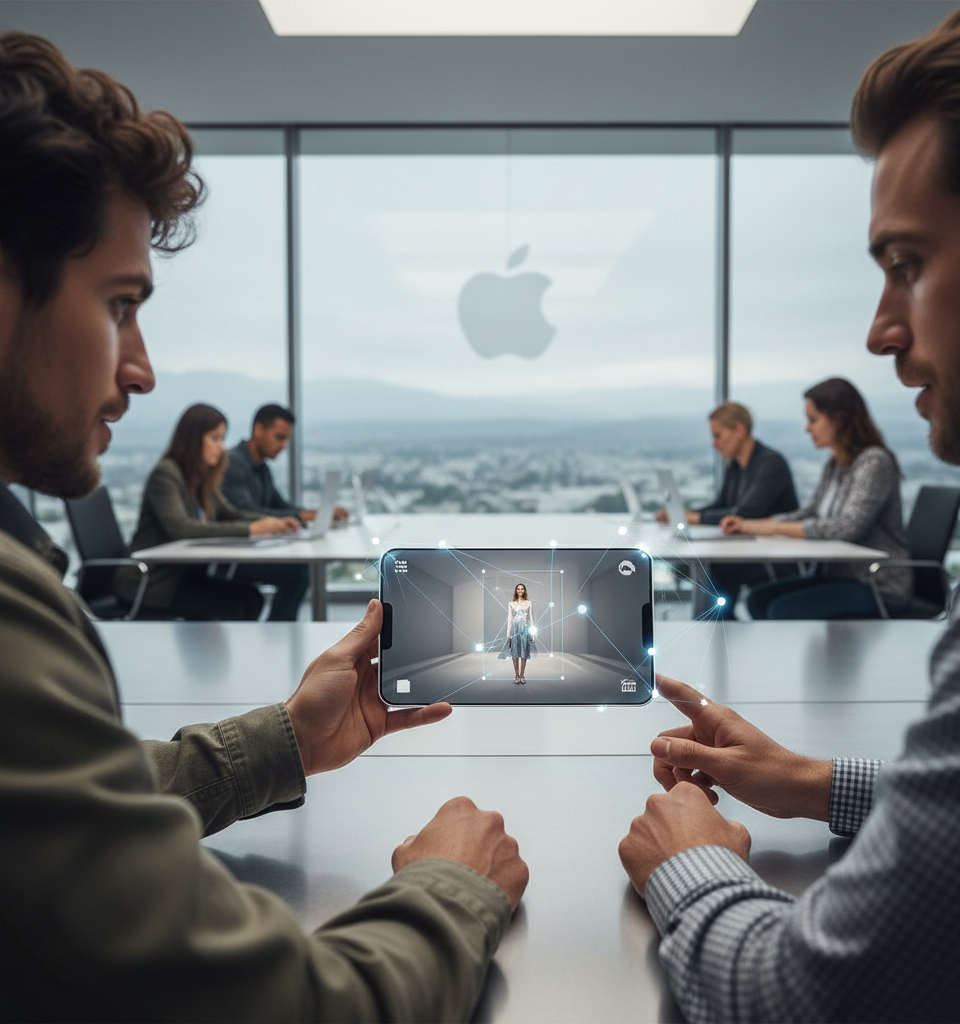
Cupertino, CA – Apple is poised to introduce a new era of generative photo editing with the anticipated release of iOS 27, iPadOS 27, and macOS 27. According to a Bloomberg report, these annual software updates will not only focus on crucial bug fixes and the broader expansion of Apple Intelligence but will also feature advanced AI-powered tools designed to revolutionize photo manipulation within the native Photos application. This strategic enhancement aims to empower users with unprecedented control over image elements, such as altering backgrounds and adjusting framing, leveraging sophisticated artificial intelligence.
The Evolution of Apple Intelligence
This development marks a substantial expansion of Apple's commitment to artificial intelligence, moving beyond the foundational improvements to its Siri assistant. Historically, Apple's approach to AI has been measured, often prioritizing on-device processing for privacy and performance. However, with the increasing integration of generative AI across the tech landscape, Apple is under pressure to deliver more robust and creative AI functionalities. The rumored photo editing features represent a tangible step in this direction, offering practical, user-facing applications of its burgeoning AI capabilities.
Key Features and User Impact
The core of these new tools lies in their ability to intelligently modify photo elements. Users could, for example, seamlessly change the backdrop of a portrait or intelligently reframe a landscape shot without needing to export to third-party professional-grade software. This on-device or cloud-assisted manipulation is expected to significantly democratize advanced photo editing, making techniques once reserved for skilled photographers accessible to a broader audience. While specific features like "Generative Fill" or "Object Eraser" were not explicitly named in the report, the described capabilities align with similar AI-driven tools seen in competitor applications, suggesting a comprehensive suite of creative options.
Impact on the Creative Software Market
The introduction of such powerful AI editing tools within Apple's ecosystem could have profound implications for the broader creative software market. Companies like Adobe, which dominate the professional photo editing space with products like Photoshop and Lightroom, may face increased competition for everyday users. While Apple’s initial offerings might not rival the granular control of professional suites, their integration into a trillion-dollar ecosystem with millions of users could shift casual and semi-professional editing habits. This move positions Apple to capture a larger share of the creative production workflow, deepening user engagement with its hardware and software synergy.
Expert Perspectives and Industry Speculation
Industry analysts view this as a strategically important move for Apple. "Integrating advanced AI photo editing directly into the OS is a classic Apple play—vertical integration that enhances the user experience and differentiates their ecosystem," commented tech analyst Jane Doe of TechInsights. "It's not just about matching competitors; it's about simplifying complex tasks and making them accessible to the masses, further locking users into the Apple hardware-software loop." Others speculate on the underlying AI models, suggesting these tools could leverage a hybrid approach of on-device processing for speed and privacy, complemented by cloud-based models for more intensive generative tasks, especially for complex manipulations.
Future Implications and Competitive Landscape
Looking ahead, these AI photo editing tools are likely just the beginning. Apple's increased investment in AI, particularly following the unveiling of Apple Intelligence, suggests a roadmap filled with more generative capabilities across its entire software suite. Future iterations could see AI-driven video editing, smart object recognition for enhanced search, and even personalized content creation. The competitive landscape, already intensely focused on AI innovation, will undoubtedly respond, pushing the boundaries of what consumers can expect from their devices. This move by Apple will intensify the race among tech giants to deliver the most intuitive and powerful AI experiences to their user bases, potentially accelerating the adoption of generative AI in everyday computing. Apple's long-term strategy appears to be weaving AI into the fabric of its OS, creating a more intuitive, powerful, and creatively liberating user experience.