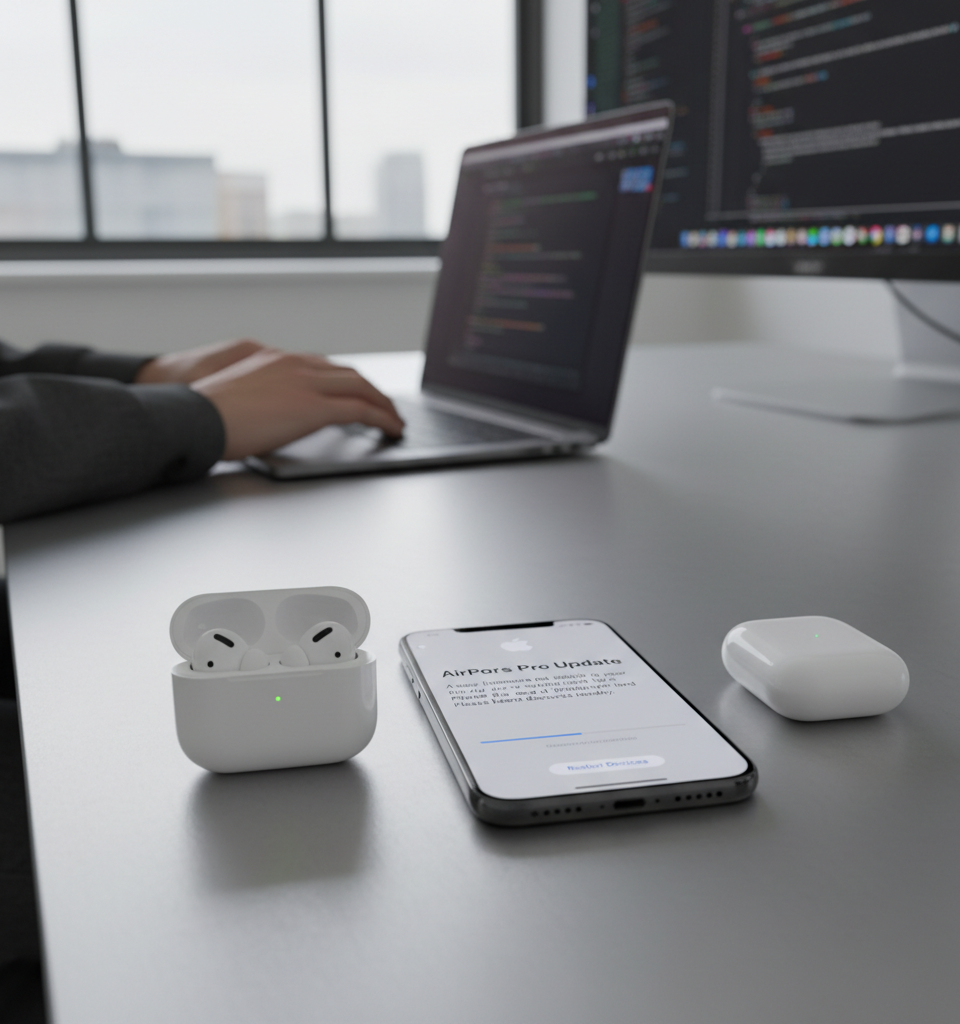
Cupertino, California – Apple Inc. has rolled out new firmware for its AirPods Pro 3 and AirPods Pro 2, marking a routine yet significant update for users of these high-end wireless earphones. The update, which is automatically installed when the AirPods are connected to an Apple device and charging, underscores Apple's ongoing commitment to refining its audio accessory ecosystem.
These firmware releases are crucial for maintaining optimal performance, often addressing minor bugs, improving connectivity stability, and enhancing audio processing. For AirPods Pro models, such updates frequently fine-tune features like Active Noise Cancellation (ANC), Transparency mode, and Spatial Audio, ensuring a consistently premium listening experience. Users are generally advised to keep their devices updated to benefit from the latest improvements and security patches.
Firmware Installation Process
Unlike traditional software updates that require manual initiation, AirPods firmware updates are designed to be seamless and largely automatic. To ensure the update occurs, users need to place their AirPods in their charging case, connect the case to power, and then pair the AirPods with an iPhone, iPad, or Mac that has an active internet connection. The update usually downloads and installs in the background, without requiring direct intervention from the user. While Apple does not typically provide detailed release notes for AirPods firmware, general improvements to connectivity, battery management, and audio fidelity are common targets.
Context and Importance of AirPods Updates
Firmware updates for peripherals like AirPods are an integral part of Apple's ecosystem strategy. These incremental improvements help extend the longevity of the devices and ensure compatibility with newer operating systems and features introduced on iPhones, iPads, and Macs. The AirPods Pro series, with its advanced features like adaptive EQ and personalized Spatial Audio, relies heavily on software optimization to deliver its signature experience. Regular updates also allow Apple to subtly introduce new functionalities or enhance existing ones, keeping the user experience fresh and competitive in a rapidly evolving market.
Industry Impact and Competitive Landscape
The premium true wireless earbud market remains highly competitive, with players like Sony, Samsung, Bose, and Google constantly innovating. Apple's consistent firmware updates for its AirPods Pro line are a key differentiator, demonstrating post-purchase support and continuous refinement. This strategy helps maintain customer satisfaction and reinforces the value proposition of owning Apple's audio products, solidifying their position at the higher end of the market segment. The expectation of ongoing software support is now a crucial factor for consumers investing in premium electronics.
Future Implications
While specific details of this particular update are not publicly disclosed by Apple, such releases often lay the groundwork for future features or address unforeseen compatibility issues. As Apple continues to integrate its hardware and software more deeply, these firmware updates will likely become even more critical for delivering advanced functionalities, perhaps involving tighter integration with new health features or augmented reality experiences. Users can anticipate continued enhancements that leverage the sophisticated sensors and audio capabilities of their AirPods Pro models, maintaining their relevance in Apple's ever-expanding technological landscape.
Users can verify their AirPods firmware version by navigating to Settings > Bluetooth on their iOS device, tapping the 'i' icon next to their AirPods, and checking the 'Firmware Version' field. If an update is available, it typically downloads and installs automatically when conditions are met.