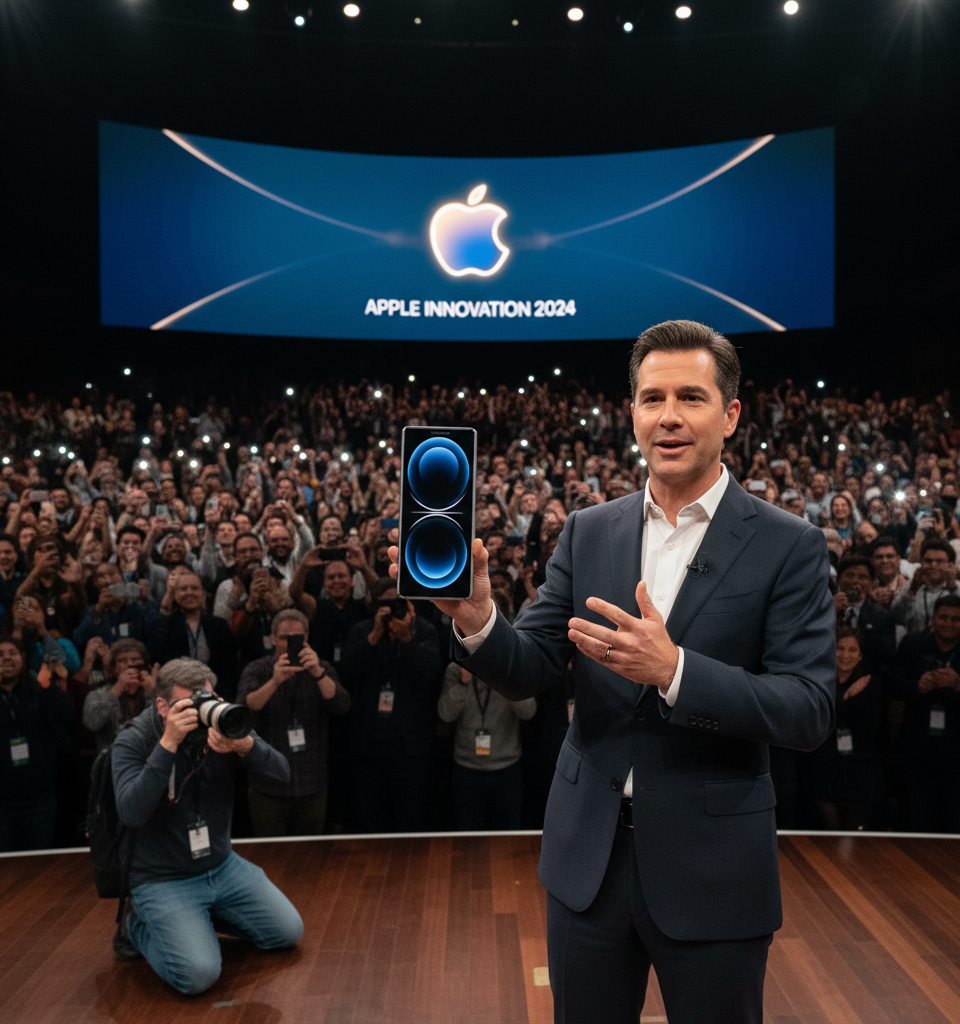
CUPERTINO, CA – Apple Inc.'s long-rumored foldable iPhone is now reportedly slated for a September launch, signaling a potential acceleration in the tech giant's timeline for entering the nascent foldable smartphone market. This latest development comes just days after a conflicting report from Nikkei Asia raised concerns about potential delays, citing significant engineering challenges encountered during the phone's crucial testing phases. The renewed optimism suggests that Apple's formidable supply chain and R&D capabilities may have overcome or are rapidly addressing the technical hurdles, positioning the company to electrify the high-end mobile segment with an innovative form factor.
Contextualizing Apple's Foldable Ambitions
For years, the prospect of an Apple foldable device has been a subject of intense speculation and industry prognostication. While competitors like Samsung, Huawei, and Motorola have already launched multiple generations of foldable phones, Apple has remained conspicuously absent, adhering to its hallmark strategy of meticulous development over early market entry. This patient approach is deeply embedded in Apple's DNA, prioritizing a perfected user experience and robust product reliability over simply being first. The company's entry into this segment is not merely about launching a new product; it's about redefining the category, much as it did with the original iPhone, iPad, and Apple Watch. The market for foldables, while still a niche, is growing steadily, with analysts from Counterpoint Research predicting a shipment surge to nearly 23 million units in 2024, up from 13.5 million in 2023.
Overcoming Engineering Specifics and Supply Chain Leverage
The recent Nikkei Asia report had highlighted particular difficulties, including issues with hinge durability, display creasing, and thermal management, all common pain points for foldable technology. Overcoming these involves intricate material science, precision engineering, and sophisticated thermal dissipation solutions. Apple's extensive patent portfolio in foldable technologies, including various hinge mechanisms and display protection layers, underscores its deep investment in these areas. The September timeline suggests that Apple's engineers, in conjunction with its tier-one suppliers like Foxconn and Luxshare Precision, have either found viable solutions or established aggressive roadmaps to resolve lingering issues. The company's established dominance in negotiating supply chain agreements and its massive purchasing power are likely critical factors in accelerating development and production of specialized components required for a foldable device.
Industry Repercussions and Competitive Landscape Shifts
Apple's entry into the foldable market would send shockwaves across the entire smartphone industry. Its gravitational pull could legitimize and accelerate the mainstream adoption of foldable devices, forcing competitors to innovate more aggressively or risk being left behind. Samsung, currently the undisputed leader in the foldable space with models like the Galaxy Z Fold and Z Flip, would face its most formidable challenger yet. Other players, including Huawei and Xiaomi, who have invested heavily in their own foldable portfolios, would also contend with heightened competition. Apple's marketing prowess and brand loyalty could rapidly sway consumer preference, potentially expanding the overall market size for foldables but also intensifying the battle for market share.
Expert Analysis: A Calculated Risk, a Strategic Advantage
Industry analysts view Apple's potential September launch as a calculated and strategically sound move. "Apple has a history of waiting until the technology is mature enough to deliver a premium user experience," says Sarah Chen, a senior analyst at TechVision Research. "While concerns about engineering challenges are valid, Apple's ability to refine and miniaturize complex technologies is unmatched. A September launch would indicate they've achieved a significant breakthrough in hinge durability and display robustness, areas where early foldables have struggled." Chen also notes that Apple's integrated hardware-software ecosystem could provide a distinct advantage, optimizing the user interface for the unique foldable form factor in ways competitors might find challenging to replicate.
The Road Ahead: Market Anticipation and Future Iterations
Looking forward, the upcoming months will be crucial. Confirmation of a September launch, likely at Apple's traditional fall event, would undoubtedly generate immense excitement. Beyond the initial product, the success of Apple's first foldable iPhone will pave the way for future iterations, potentially exploring different form factors such as clamshell designs or even rollable concepts. Furthermore, the company's entry could also spur advancements in enabling technologies, including ultra-thin glass (UTG), flexible OLED panels, and advanced battery solutions. The long-term implications for device design, mobile computing, and even wearable integration are vast, pointing to an exciting new chapter in Apple's journey to redefine personal technology.