Context and Significance of the Delays
These delays arrive at a critical juncture for Apple, which typically maintains a predictable refresh cadence for its flagship products. The Mac Studio, first introduced in March 2022, quickly established itself as a powerhouse for creative professionals, bridging the gap between the Mac mini and the Mac Pro. Similarly, the MacBook Pro, particularly its 14-inch and 16-inch variants, is a cornerstone of Apple's professional computing offerings. Any significant postponement not only frustrates an eager customer base but also could cede momentum to competitors in the fiercely contested high-end PC market. The reported MacBook Pro refresh is also notable for potentially introducing Apple's first touchscreen Mac, a long-rumored feature that would mark a significant strategic shift.
The Memory Shortage: A Global Bottleneck
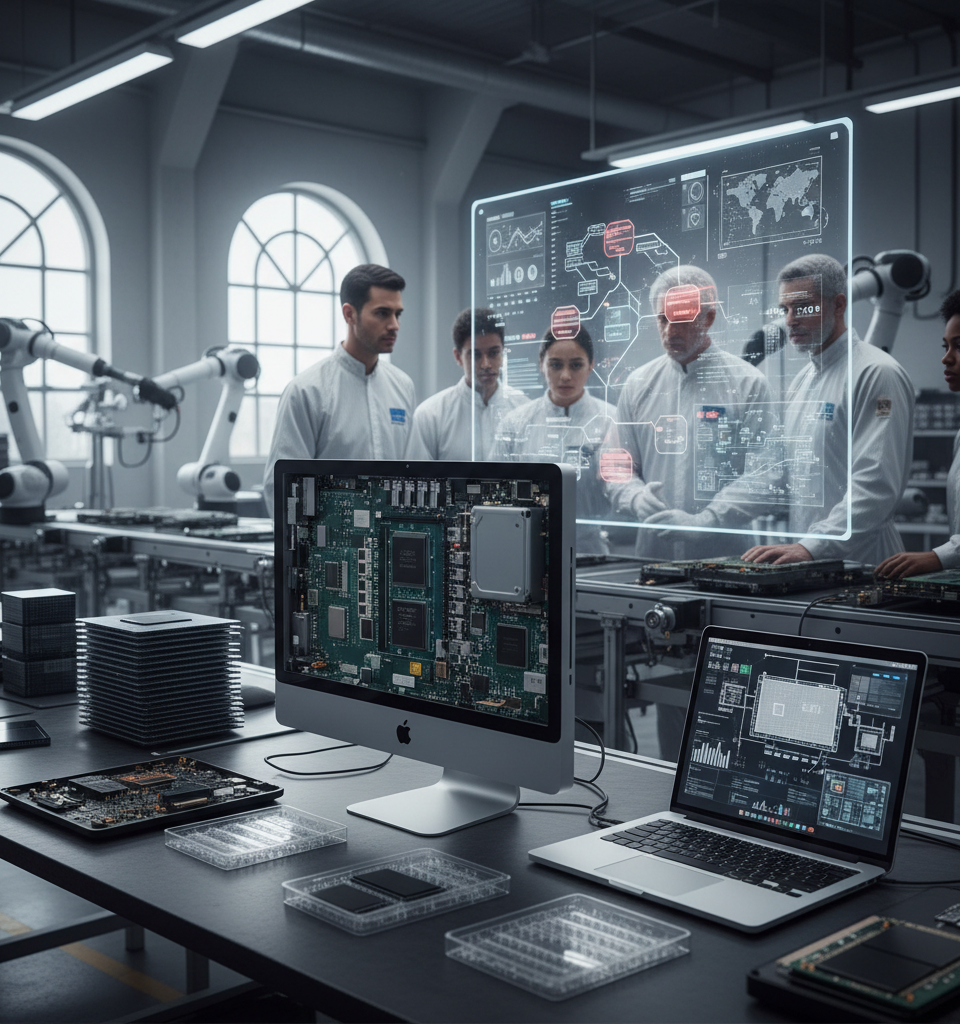
The root cause of these anticipated delays is the pervasive global memory shortage, specifically impacting DRAM (Dynamic Random-Access Memory) chips. While the tech industry has grappled with supply chain disruptions for several years, the current memory crunch is attributed to a confluence of factors, including increasing demand from AI workloads, conservative production expansions by memory manufacturers after a period of oversupply, and geopolitical tensions affecting trade. Apple, despite its immense purchasing power and sophisticated supply chain management, is not immune to these macro-level constraints, particularly for components that are largely commoditized yet essential for system performance.
Industry and Market Implications
The ripple effect of Apple's delays could be felt across the broader technology industry. Competitors like Dell, HP, and Microsoft, which produce high-end workstations and laptops, might seize the opportunity to capture market share from delayed Apple upgrades. Furthermore, the memory shortage itself illustrates a fundamental vulnerability in the global tech supply chain, potentially driving up component costs for all manufacturers. For consumers, this means not only a longer wait for new devices but potentially higher prices due to increased input costs for manufacturers. Analysts often track Apple's product cycles keenly, as they often serve as a bellwether for industry trends and component availability.
Expert Analysis and Projections
Industry analysts are closely monitoring the situation. "While Apple often navigates supply chain challenges with remarkable agility, a memory shortage impacting a high-demand product like the Mac Studio or MacBook Pro indicates a significant industry-wide bottleneck," stated Dr. Eleanor Vance, a semiconductor market analyst at TechInsights. "We anticipate that major memory suppliers like Samsung, SK Hynix, and Micron will prioritize high-volume orders, but even they are constrained by fab capacity and materials. These delays could push Apple's M4-generation machines into early 2025, impacting their Q4 2024 earnings projections for Mac sales." Some observers also speculate that Apple might consider alternative component sourcing strategies or design compromises if the shortage persists past Q1 2025.
Looking Ahead: What to Expect As
Apple navigates these challenges, the immediate future remains uncertain for potential upgraders. Consumers eagerly awaiting the M4-powered Mac Studio and the rumored touchscreen MacBook Pro will likely need to exercise patience. Apple's Investor Relations department has yet to issue an official statement regarding these potential delays, though the company typically refrains from commenting on unreleased products or supply chain specifics publicly. Looking ahead, the resolution of the global memory shortage will be critical not only for Apple's product roadmap but for the entire technology sector's ability to meet growing demand for advanced computing hardware, particularly with the surging interest in AI-enabled devices. The situation underscores the intricate web of global manufacturing and the delicate balance required to bring advanced technology to market on schedule.