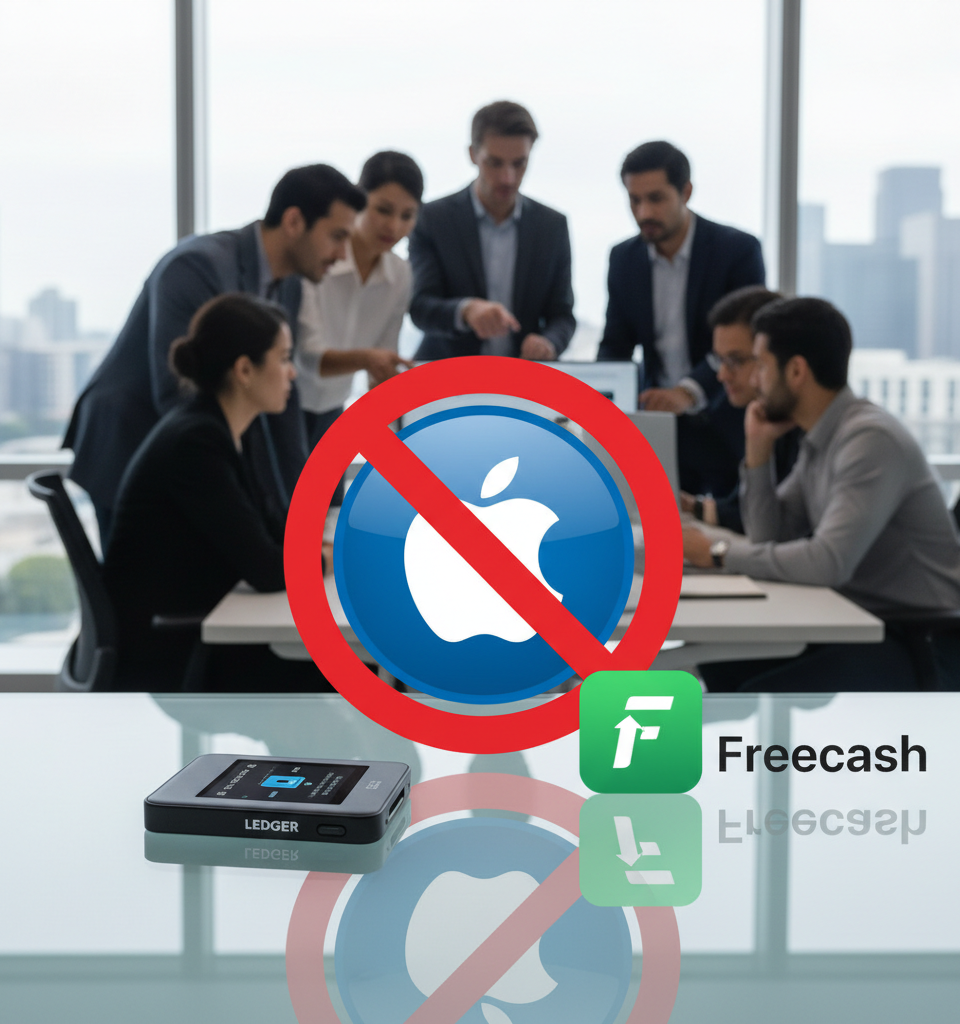
**Cupertino, CA – ** – Apple has reportedly removed two highly controversial applications from its digital storefront following a deluge of reports detailing user harm and privacy violations. A fraudulent Ledger cryptocurrency wallet application, responsible for allegedly siphoning millions of dollars in digital assets from unsuspecting users, and the Freecash app, accused of surreptitiously harvesting sensitive user data, were both pulled from the App Store. This double removal casts a significant shadow over Apple's long-vaunted App Store review process, igniting fresh debates regarding the platform's ability to safeguard its users against sophisticated digital threats and predatory data practices.
The Cracks in Apple's Walled Garden
For years, Apple has championed its rigorous App Store review as a cornerstone of its ecosystem's security and user trust, often citing it as a primary differentiator from competing platforms. The recent incidents, however, suggest a worrying lapse in these processes. The fake Ledger app, which mimicked the legitimate hardware wallet provider, reportedly bypassed Apple's checks, allowing it to remain available for an extended period, leading to devastating financial losses for its victims. Similarly, the Freecash app's alleged data collection practices underscore the challenge of policing applications that may comply with surface-level guidelines but engage in questionable back-end operations.
Anatomy of Deception and Data Mining
Details emerging from independent investigations, notably by CoinDesk and TechCrunch, painted a grim picture. The imposter Ledger app exploited users' trust in the Apple brand, presenting itself as an authentic application for managing cryptocurrency holdings. Victims, many of whom were new to the crypto space, unknowingly entered their seed phrases into the fraudulent app, granting scammers unfettered access to their digital wallets. While the exact figure is still being tallied, preliminary reports indicated that losses could run into several million dollars. Concurrently, the Freecash app — a platform promising rewards for task completion — was found to be engaging in extensive data harvesting, collecting information far beyond what was necessary for its stated functionality, raising significant privacy concerns for its user base.
Broader Implications for the Digital Economy
These incidents are not isolated; they represent a growing challenge for platform holders in the rapidly evolving digital landscape. The proliferation of sophisticated phishing attempts and advanced persistent threats targeting nascent financial technologies like cryptocurrencies demands a more dynamic and adaptive review process. For the broader app economy, this situation could erode user confidence in platform security, potentially slowing the adoption of innovative FinTech solutions if trust cannot be unequivocally guaranteed. Developers, too, face increased scrutiny, as their responsibility extends beyond functionality to robust security and ethical data handling.
Expert Scrutiny and Industry Echoes
Cybersecurity experts and industry analysts have weighed in with significant concern. Dr. Evelyn Chen, a specialist in digital forensics, commented, "Apple's brand promise of a secure ecosystem is now under immense pressure. The fact that a sophisticated phishing app could bypass their review process for an extended period signals a need for a fundamental re-evaluation of their AI-driven and human-led review protocols, especially concerning financial applications and burgeoning technologies like crypto." Others have pointed to the inherent difficulty of scaling human review against millions of app submissions while integrating AI solutions that can discern malicious intent beyond superficial code analysis.
What's Next for App Store Integrity
In the aftermath of these removals, Apple faces considerable pressure to address the gaps in its App Store review process. While the company rarely comments on individual app removals, the scale of this security breach and privacy violation may necessitate a more transparent response. Observers anticipate a swift internal review, potentially leading to enhanced vetting procedures for financial and cryptocurrency-related applications, as well as more stringent audits of third-party data collection practices. Furthermore, this event highlights the ongoing tension between a platform's desire for an open ecosystem and the imperative of maintaining user security and trust in an increasingly complex digital world. Developers, consumers, and regulators will be closely watching Apple's next steps to prevent future recurrences of such high-profile security failures.