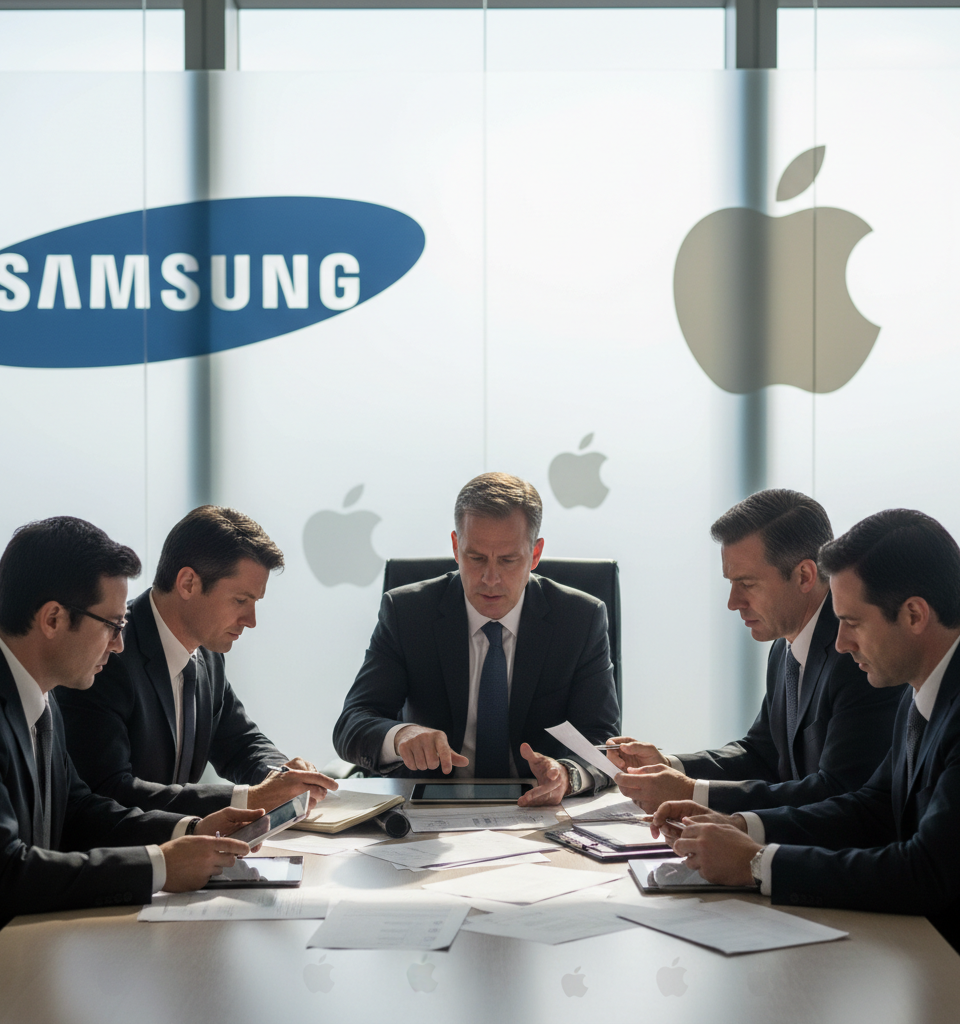
SEOUL & WASHINGTON D.C. — Apple has made a significant legal maneuver in its ongoing antitrust skirmish with the U.S. government, formally requesting access to internal data from its long-time rival, Samsung, within South Korea. This strategic move aims to bolster Apple's defense against accusations of monopolistic practices by the U.S. Department of Justice (DOJ), potentially revealing crucial competitive insights into the smartphone and mobile services market.
Context of the Antitrust Offensive
This development comes amidst a broader and increasingly aggressive stance by U.S. regulatory bodies against major technology firms. The DOJ's antitrust lawsuit, filed earlier this year, accuses Apple of stifling competition and innovation within the mobile ecosystem, specifically citing practices related to its App Store, iMessage, and third-party accessory restrictions. Apple's pursuit of Samsung's data suggests a strategy to demonstrate that the market is robustly competitive, with powerful players like Samsung offering viable alternatives that prevent Apple from exercising unchecked market dominance. The historical rivalry between Apple and Samsung, spanning patent wars and fierce sales competition, adds a layer of intrigue to this data demand.
Key Details and Legal Ramifications
Apple's legal team has reportedly initiated the discovery process in South Korea, leveraging international legal conventions to gather information. While the exact scope of the requested data remains confidential, it is understood to encompass sales figures, marketing strategies, profitability metrics, and potentially even internal communications related to product development and market positioning. Such data could provide Apple with empirical evidence of Samsung's market power and competitive inroads, which Apple could then present in court to argue against its own alleged monopoly. Legal experts suggest that obtaining this data could be a protracted and complex process, potentially involving South Korean courts and intellectual property considerations, especially given the sensitivity of corporate secrets between two global leaders. Samsung has yet to publicly comment on the data request.
Industry and Market Impact Analysis
This data request could have far-reaching implications for the global technology industry. Should Apple succeed in obtaining and utilizing Samsung's internal data, it could set a precedent for inter-company data discovery in international antitrust cases, potentially making it easier for regulators or defendants to compel rivals to disclose sensitive business information. For the smartphone market, specifically, insights into Samsung's operational costs, profit margins, and strategic growth areas could offer an unprecedented window into the competitive landscape, influencing future pricing, innovation cycles, and market share battles. Moreover, it could recalibrate how tech giants prepare for and respond to antitrust scrutiny, potentially leading to more cautious M&A activities and product strategies.
Expert Perspectives on Apple's Strategy
Industry analysts are divided on the efficacy of Apple's move. "Apple's decision to seek Samsung's internal data is a bold and aggressive tactic," stated Dr. Emily Chen, a senior antitrust litigator based in New York. "It signals that Apple intends to fight this DOJ lawsuit vigorously, using every available tool to illustrate the highly competitive nature of the tech market. However, compelling a rival to hand over proprietary information, especially across international borders, is a significant uphill battle that could face substantial legal challenges and delays." Others suggest this could be a delaying tactic, aimed at prolonging legal proceedings and increasing the cost burden on the DOJ. However, if successful, the data could indeed provide a powerful counter-narrative to the DOJ's claims, potentially shifting the focus to broader industry competition rather than Apple's singular market position.
What Lies Ahead: Future Developments
The immediate future will likely involve legal skirmishes in South Korean courts regarding the enforceability and scope of Apple's data request. Should the request be granted, the sheer volume and sensitivity of the data will necessitate strict protocols for management and review. The outcome of this particular data request could significantly influence the trajectory of the DOJ's antitrust case against Apple, potentially determining whether the focus remains solely on Apple's alleged practices or expands to a more holistic view of intense competition within the mobile tech ecosystem. Observers anticipate that this phase of the litigation will unfold over several months, with various appeals and legal challenges expected before any data exchange, if it occurs, can be finalized. The broader implications for corporate data privacy and international legal cooperation in antitrust matters are also keenly watched by the global business community.