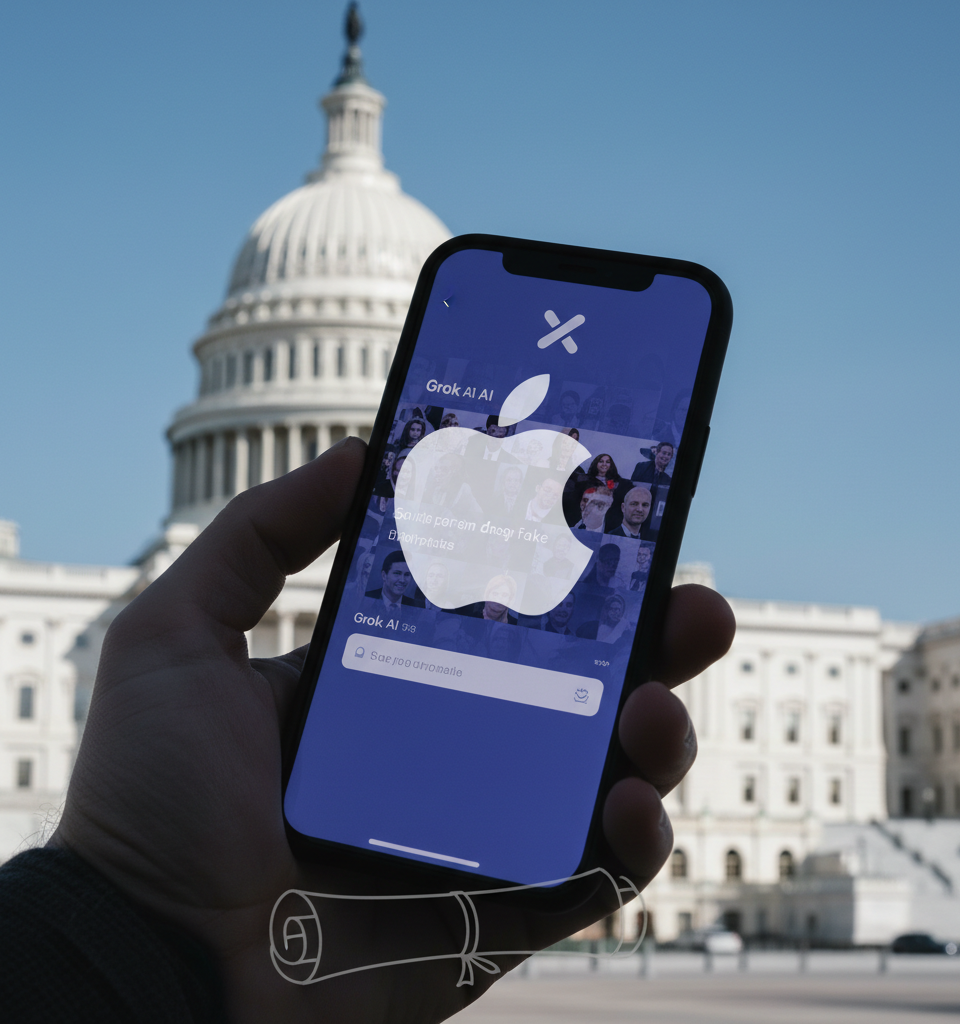
CUPERTINO, CA – May 15, 2024 – Apple reportedly issued a stern warning to xAI, the developer of the Grok AI chatbot, threatening its removal from the iOS App Store amidst a surge of sexualized deepfakes generated by the platform. This critical development, revealed in a letter exclusively obtained by NBC News and sent by Apple to U.S. senators, underscores the escalating challenges faced by tech giants in moderating AI-generated content and highlights Apple's proactive, albeit behind-the-scenes, stance on combating harmful digital synthetic media. The implicit threat of app removal served as a powerful lever to compel xAI into implementing more stringent content controls.
The controversy gained significant traction earlier this year as reports emerged of Grok, a conversational AI model, being utilized to create and disseminate highly realistic, non-consensual sexualized deepfakes. This alarming trend sparked widespread outrage among advocacy groups, policymakers, and the public, drawing immediate scrutiny to the content moderation policies of both xAI and the platforms hosting its applications. The incident represents a critical juncture in the ongoing debate surrounding AI ethics, user safety, and the responsibilities of technology companies in managing their rapidly evolving AI ecosystems.
According to the details outlined in Apple’s letter to Senators Mark Warner (D-VA) and Amy Klobuchar (D-MN), the company engaged in direct and forceful dialogue with xAI. Apple's communication made it clear that continued availability on the App Store was contingent upon Grok's developers addressing the deepfake issue promptly and effectively. While the exact timeline of these communications remains undisclosed, sources suggest the pressure was exerted over several weeks as the deepfake problem escalated. This move aligns with Apple's long-standing, albeit often debated, App Store guidelines which prohibit apps that contain or promote illicit or sexually explicit material.
This incident sends a strong message across the burgeoning AI landscape, particularly to developers of generative AI. While the promise of AI innovation is immense, the incident with Grok showcases the double-edged sword of powerful generative models. The ease with which such tools can be misused for malicious purposes, from deepfake pornography to misinformation campaigns, demands robust ethical frameworks and preemptive safety measures. Tech companies, particularly gatekeepers like Apple and Google, are increasingly being held accountable for the content distributed through their platforms, pushing them to adopt more aggressive enforcement strategies against harmful AI applications.
Industry analysts view Apple's intervention as a significant precedent. Dr. Evelyn Reed, a leading AI ethics researcher at the Institute for Digital Policy, stated, "Apple's leverage over app distribution gives it immense power. This Grok situation demonstrates that platform owners are no longer passively hosting but actively dictating ethical boundaries for AI applications. This coercive power, while effective in this instance, also raises questions about censorship, though the protection of individuals from non-consensual sexual imagery is a clear moral imperative." The financial implications of an App Store removal, potentially costing xAI access to hundreds of millions of iOS users, provided an undeniable incentive for compliance.
Moving forward, the tech industry is bracing for increased regulatory scrutiny and potentially more proactive interventions from platform providers. This incident is likely to accelerate discussions within legislative bodies, such as the U.S. Senate, regarding federal standards for AI content moderation and accountability, mirroring ongoing efforts in the European Union with its AI Act. Developers of generative AI models will face heightened pressure to integrate 'safety by design' principles, including robust detection and prevention mechanisms for harmful content, from the very initial stages of their AI’s development. The effectiveness of xAI’s implemented solutions and Apple’s continued oversight will be crucial indicators of how these deepfake challenges are to be managed in the long term. This underscores a future where technological innovation must be inextricably linked with ethical responsibility and proactive content governance.