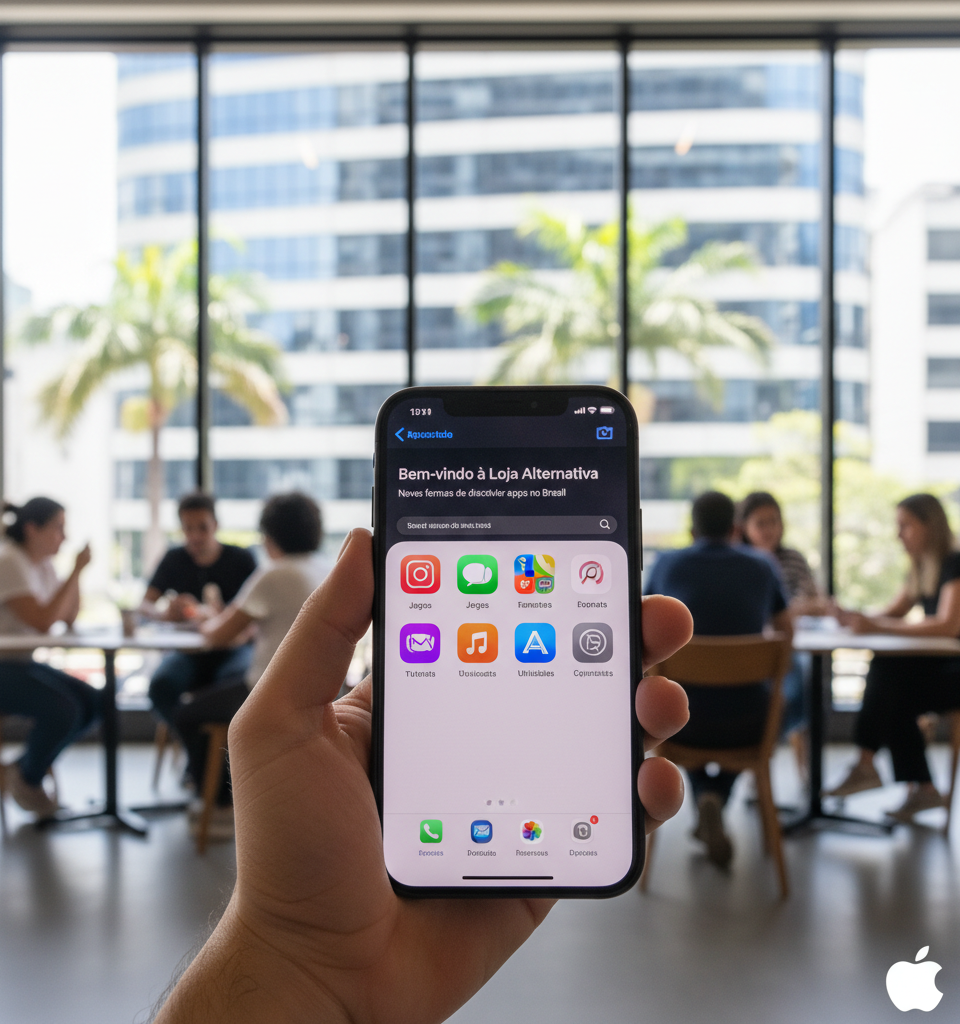
Cupertino-based technology behemoth Apple Inc. is set to permit the operation of third-party app stores for its iOS ecosystem within Brazil. This strategic move signals a departure from Apple's traditionally closed app distribution model, offering developers and users in the South American nation new avenues for acquiring and distributing applications.
This development holds substantial implications given Apple's stringent control over its App Store, which has historically been the sole authorized channel for iOS app downloads globally. For years, Apple has maintained that its unified App Store ensures security, privacy, and a consistent user experience. Critics, however, have argued that this exclusivity limits competition and potentially inflates app prices due to Apple's commission structure. Brazil, a significant and rapidly growing market for smartphones, presents a crucial testbed for this new policy.
The specifics of how these third-party app stores will operate, including potential guidelines, security protocols, and revenue-sharing models, are anticipated to be detailed in the coming months. Historically, Apple has faced antitrust scrutiny and regulatory pressure in various jurisdictions regarding its App Store policies. While the company has not explicitly stated the direct impetus for this change in Brazil, it aligns with a broader global trend of increased regulatory oversight concerning platform monopolies.
Industry and Market Impact
The introduction of alternative app marketplaces in Brazil could fundamentally reshape the mobile app economy within the country. Developers, particularly smaller entities and startups, may find opportunities to circumvent Apple's standard 15-30% commission on in-app purchases and app sales, potentially leading to more competitive pricing and a greater diversity of applications. Consumers could benefit from a wider selection of apps, potentially lower prices, and innovative services that might not have met Apple's traditional App Store guidelines.
Competitors in the mobile operating system space, particularly Google's Android, have long supported app sideloading and alternative app stores, making this move by Apple a potential step towards leveling the playing field. The decision could also influence how other major tech companies approach app distribution in regions where they face similar regulatory pressures or market dynamics.
Looking Ahead
Industry analysts will be closely watching the implementation of this policy in Brazil for several reasons. The success or challenges faced by third-party app stores here could inform Apple's strategy in other markets where it might face similar demands for increased openness. Key factors to observe include developer adoption rates, user engagement with these new stores, and how Apple manages security and trust in a more diversified app ecosystem. The long-term impact on Apple's services revenue in Brazil, a significant component of its financial performance, will also be a major point of interest. This localized policy shift could foreshadow broader changes in Apple's global app distribution strategy, especially as regulatory bodies worldwide continue to scrutinize digital market power.