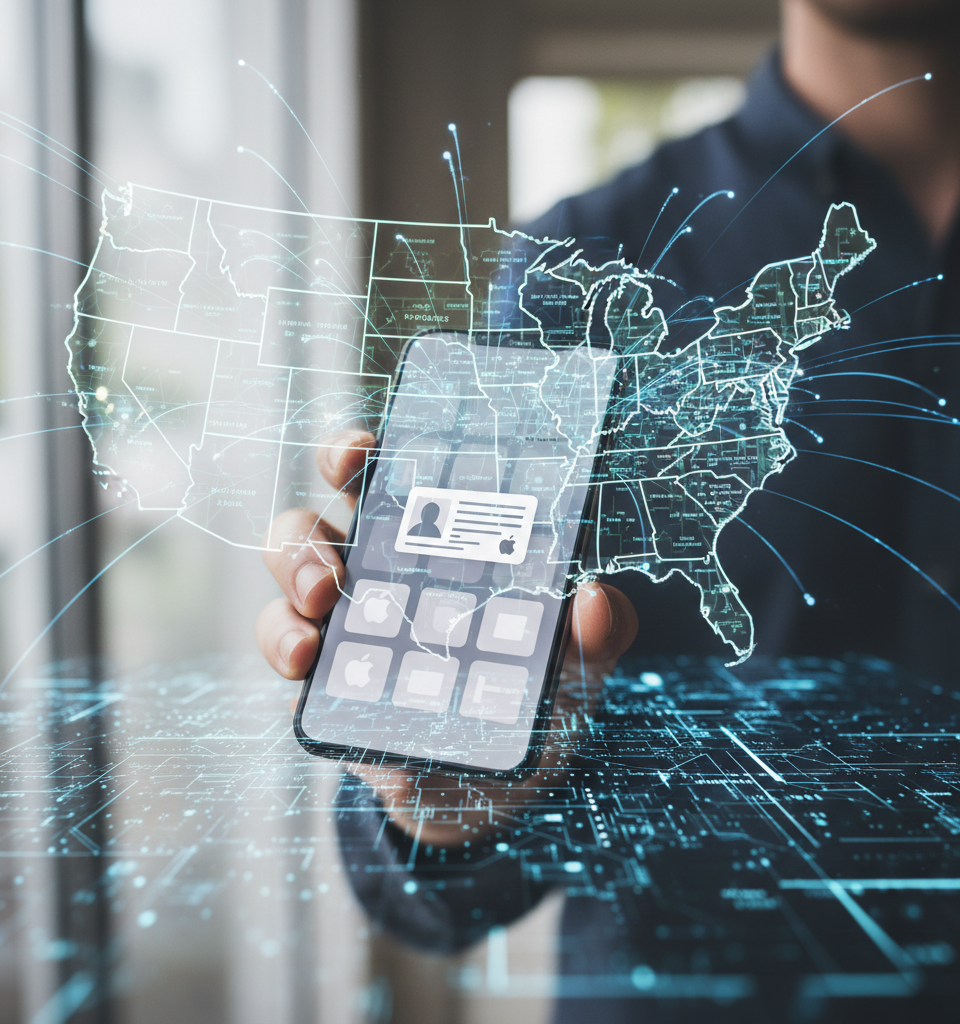
The expansion of digital driver's licenses into Apple Wallet represents a pivotal moment for the burgeoning digital identity sector, signaling broader implications for regulatory frameworks, data security, and the future of consumer interactions with both public and private entities. Businesses, particularly those in hospitality, retail, and transportation, will need to prepare for evolving identification verification protocols and potential shifts in operational efficiencies. This development underscores the ongoing drive towards seamless, albeit complex, digital ecosystems that demand careful consideration of privacy and interoperability standards.
Today, August 21, 2026, marks another anticipated stride in the journey towards fully digital personal identification, with Apple's Wallet platform expected to broaden its support for driver's licenses to an increased number of states. This development builds upon an initiative initially announced during Apple's Worldwide Developers Conference (WWDC) in 2021, which laid out a clear roadmap for integrating state-issued identification into the digital wallet ecosystem. The move is set to further propel Apple's ambitious vision of transforming the physical wallet into a purely digital entity, offering convenience and enhanced security features to users across the United States.
Background and Vision
Apple's foray into digital identification began with a long-term strategic objective: to provide a secure and user-friendly platform for managing essential credentials. The initial announcement at WWDC 2021 detailed plans for participating states to allow residents to add their driver's licenses or state IDs to Apple Wallet, enabling them to present identification on their iPhone or Apple Watch at select TSA checkpoints and, eventually, other accepting locations. This system leverages the robust security architecture inherent in Apple devices, including Face ID or Touch ID authentication, to ensure that only the owner can access their digital ID. The underlying technology is designed to prioritize privacy, sharing only necessary information with verifying authorities and encrypting data for protection.
Expected Rollout and Key Features
The forthcoming expansion is anticipated to integrate more states into this digital ID program, though the specific states involved have not yet been publicly disclosed. The process for users in these new states is expected to mirror the current functionality: residents will be able to add their driver's license or state ID to Apple Wallet by scanning their physical card and then completing a verification process with the issuing state. This typically involves identity verification through a secure photo match and potentially other security checks to prevent fraud. Once added, the digital ID resides securely on the user's device, not on Apple's servers, reinforcing privacy controls.
Industry and Market Impact
The broader adoption of digital driver's licenses within Apple Wallet has significant implications for various industries. For travel and security sectors, particularly the Transportation Security Administration (TSA), this expansion could streamline identity verification processes, potentially reducing wait times and enhancing efficiency at checkpoints. The retail, hospitality, and financial services sectors also stand to benefit from a standardized and secure digital identification method, which could simplify age verification for regulated products or services and expedite customer onboarding.
However, widespread adoption will depend heavily on the rate at which businesses and government agencies implement the necessary infrastructure to accept these digital credentials. This also poses a challenge and an opportunity for competing digital wallet platforms and ID verification technology providers.
Security and Privacy Considerations
A core tenet of Apple's digital ID implementation is its focus on security and user privacy. The system is designed so that when presenting a digital ID, users control what information is shared, with data transmitted directly between the device and the reader via encrypted communication. The user's date of birth or address, for instance, might be withheld if not explicitly required for a transaction. This approach aims to address common concerns about data breaches and surveillance associated with centralized digital identity systems, placing control firmly in the hands of the individual. However, the ongoing public discourse around digital privacy will continue to scrutinize these implementations as they become more pervasive.
What's Next for Digital Identification
The expected expansion of digital driver's licenses marks a significant milestone, but it is unlikely to be the final step. Looking ahead, the initiative could pave the way for other forms of digital credentials, such as health cards, professional licenses, or even voter identification, to be integrated into secure digital wallets. The success of this expansion will likely influence legislative bodies and technology companies to further invest in and standardize digital identity solutions globally. As more states come online, the focus will shift towards increasing acceptance points beyond initial government checkpoints, integrating with more everyday transactions, and addressing the technical and legal challenges of interoperability across different platforms and jurisdictions.