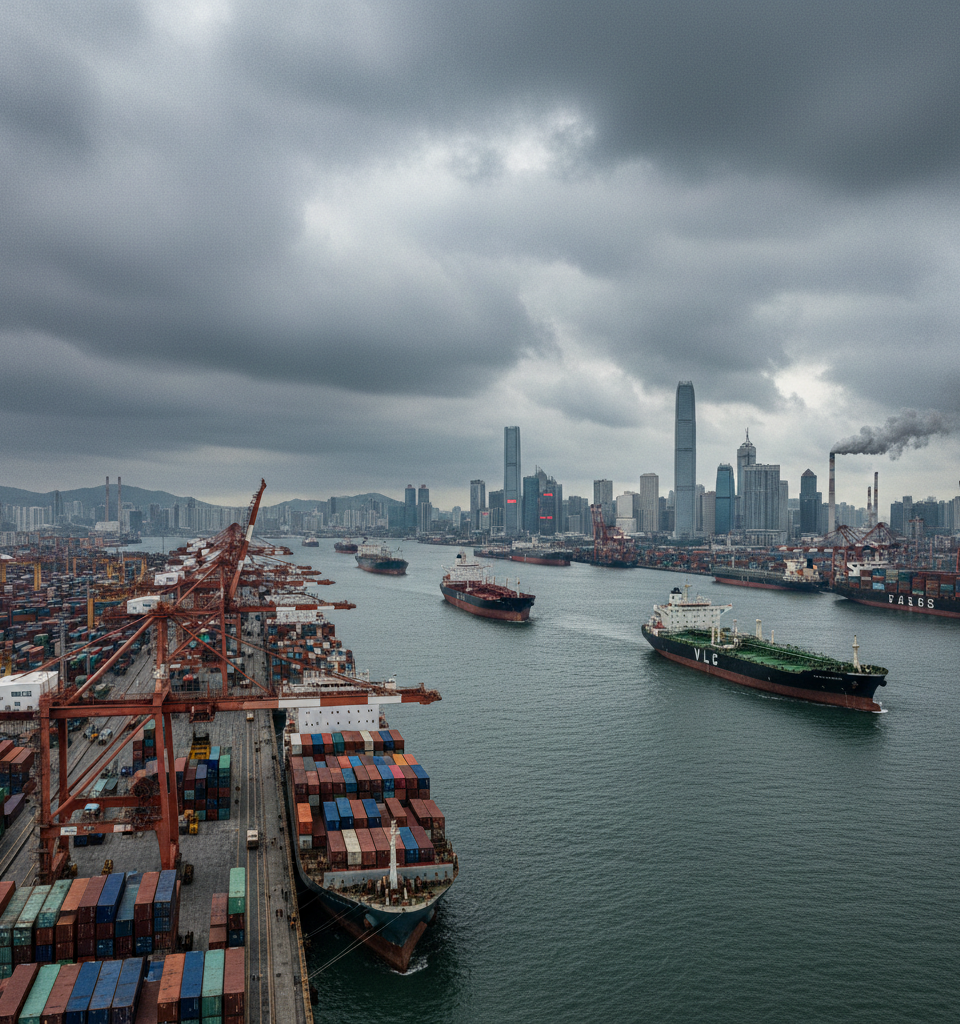
The ongoing geopolitical tensions stemming from the Iran conflict are inflicting a severe economic toll across Asia, manifesting in dramatically inflated energy prices, critical raw material shortages, and downward revisions of economic growth projections. Reports indicate that energy costs have soared by as much as 70% in some Asian nations, exacerbating pre-existing inflationary pressures. This economic turbulence, amplified by disruptions to global supply chains, necessitates a proactive and adaptive trade agenda from Washington to mitigate widespread financial instability and prevent a broader humanitarian crisis, particularly concerning food security.
Geopolitical Tensions and Economic Vulnerability
The current crisis highlights Asia's inherent vulnerability to global energy market fluctuations and supply chain interruptions. Many Asian economies are net importers of oil and gas, making them acutely susceptible to price shocks. The ongoing friction surrounding Iran, a significant global oil producer, has introduced considerable uncertainty into already volatile commodity markets. This situation echoes past geopolitical flashpoints that disrupted Middle Eastern oil exports, reminding nations of the precarious balance between global energy demand and supply. The long-term implications could see countries diversifying energy sources and supply routes, but immediate solutions are critically needed.
Concrete Impacts and Spreading Shortages
Beyond just energy, the ripple effects are reaching foundational sectors. Fertilizer shortages, for instance, are now becoming a widespread concern across the continent. Farmers, already contending with rising input costs, face the prospect of reduced yields due to unavailability or unaffordable prices of essential agricultural inputs. According to recent economic indicators, several major financial institutions have slashed their growth forecasts for key Asian economies by an average of 0.5 to 1 percentage point for the current fiscal year. For instance, Vietnam, a rapidly growing export-oriented economy, is particularly exposed to rising shipping costs and raw material price hikes, further straining its manufacturing sector. This substantial downward revision portends slower job creation and reduced consumer spending across the region.
Broader Market Repercussions
The broader market landscape is clearly reflecting these anxieties. Equity markets in Asia have shown increased volatility, with foreign direct investment inflows potentially slowing as investors shy away from perceived higher risks. Currency fluctuations are adding another layer of complexity, making imports more expensive while potentially boosting exports for some nations, though the overall sentiment points to a contractionary environment. Industries heavily reliant on global trade, such as electronics manufacturing in South Korea and textile production in Bangladesh, are experiencing significant headwinds due to elevated logistics costs and uncertain access to critical components and raw materials.
Expert Analysis and Strategic Imperatives
Economic analysts universally agree on the severity of the situation. Dr. Li Wei, a senior economist specializing in Asian markets at the National University of Singapore, recently stated, "The current confluence of energy shocks and commodity scarcity presents a multifaceted challenge for Asian policymakers. Traditional monetary and fiscal tools might not be enough; a coordinated international response, particularly from major economic powers like the U.S., is essential to prevent a protracted slowdown." She emphasized that targeted aid and adjusted trade policies from the U.S. could stabilize commodity prices and ensure critical supplies reach affected nations, thereby safeguarding global economic recovery. The geopolitical imperative for the U.S. is clear: a stable and prosperous Asia is vital for global economic health and Washington's own strategic interests in the Indo-Pacific.
The Path Forward: U.S. Leadership and Regional Resilience
Looking ahead, the immediate future hinges on de-escalation of the Iran conflict and synchronized international efforts to stabilize commodity markets., this involves not only diplomatic engagement but also a recalibration of its trade agenda to prioritize resilience and humanitarian considerations over purely market-driven objectives. This could include facilitating alternative energy supplies, leveraging strategic reserves to influence prices, and potentially expediting trade agreements to diversify supply chains for crucial goods like fertilizers and agricultural components.
Furthermore, investment in renewable energy infrastructure within Asian nations could provide a long-term solution to reduce dependency on volatile fossil fuel markets. Regional cooperation within Asia, perhaps under the auspices of ASEAN or APEC, will also be crucial for sharing resources and coordinating policy responses to manage these unfolding economic stresses more effectively.
The international community must recognize that allowing Asian economies to falter under these pressures carries significant global risks, from renewed inflationary spirals to potential food crises that could have far-reaching humanitarian consequences. A proactive, adaptive, and responsible approach from global leaders is not just an act of economic solidarity but a strategic necessity for maintaining global stability and sustained growth.