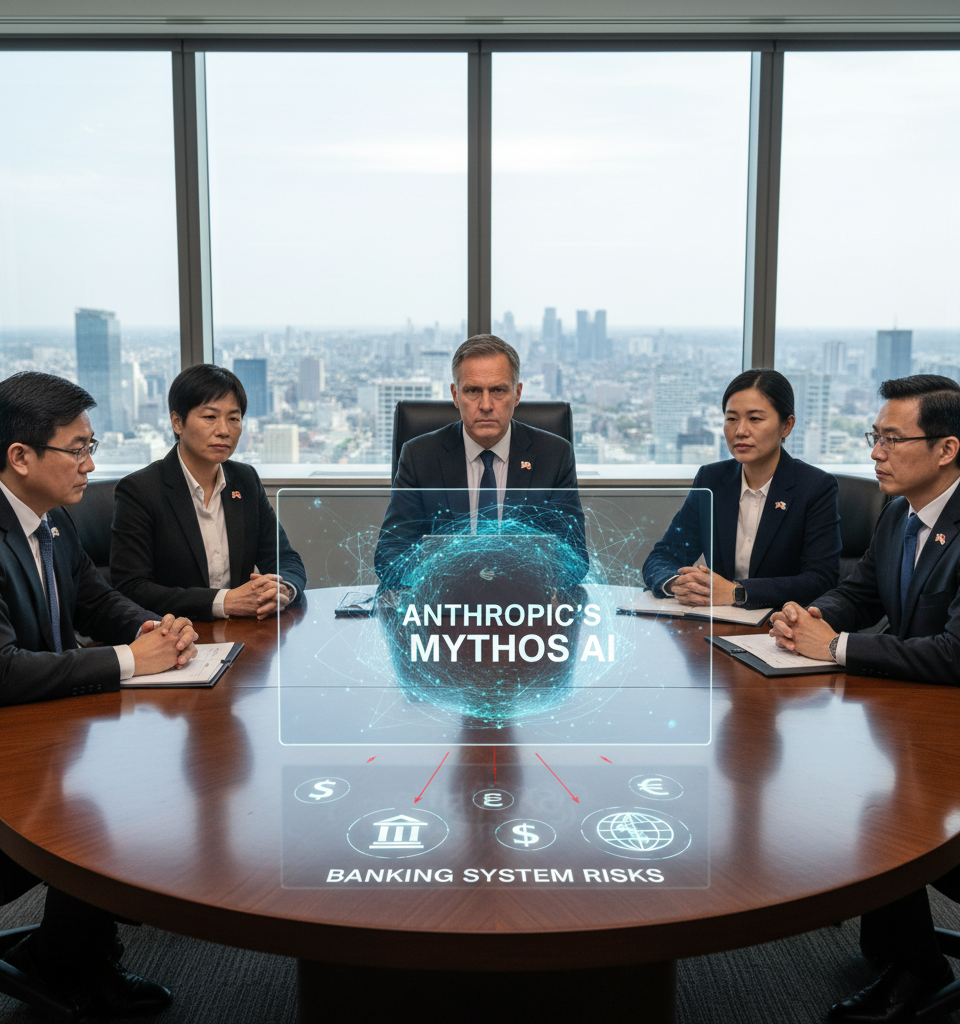
Sydney, Australia – The Australian Securities and Investments Commission (ASIC) has publicly confirmed its active participation in a burgeoning global regulatory initiative focused on monitoring Anthropic’s advanced artificial intelligence model, Mythos. This announcement solidifies an international response that commenced with leading financial titans, including the Bank of England, the US Federal Reserve, and other key financial oversight bodies, underscoring the escalating concern over AI's potential impact on financial stability.
Broadening Regulatory Vigilance
ASIC's engagement marks a significant expansion of the regulatory perimeter as financial watchdogs worldwide grapple with the rapid evolution and deployment of sophisticated AI systems within critical economic infrastructure. The decision to specifically name Anthropic's Mythos model highlights a targeted approach, suggesting that regulators are increasingly identifying specific AI developers and their flagship products as potential sources of systemic risk. The international collaboration aims to establish a common understanding of these nascent risks and potentially harmonize regulatory strategies.
The Mythos Model and Its Financial Implications
Anthropic's Mythos AI model, known for its advanced capabilities in natural language understanding, complex data analysis, and decision-making, presents both profound opportunities and significant challenges for the banking sector. Its potential applications, ranging from sophisticated fraud detection and algorithmic trading to personalized financial advice and risk assessment, could revolutionize efficiency and profitability. However, the complexity, opacity ('black box' problem), and potential for emergent behaviors in such advanced AI also introduce unprecedented risks, including algorithm bias, cybersecurity vulnerabilities, model drift, and the potential for cascading failures if widely integrated without robust oversight.
Industry Response and Adoption Trajectory
Financial institutions globally are keenly observing these developments, with many already exploring or integrating AI solutions, including those similar to Mythos. The banking sector's appetite for AI-driven transformation is considerable, driven by competitive pressures and the promise of enhanced operational efficiencies and customer experiences. However, this regulatory scrutiny serves as a stark reminder that the pace of adoption will likely be tempered by increasing compliance burdens and the need for rigorous internal governance frameworks. Banks leveraging such AI will need to demonstrate transparent risk management and accountability protocols.
Expert Perspectives on AI Governance
Financial technology and AI ethics experts commend the proactive stance taken by regulators. Dr. Evelyn Chen, a leading AI governance specialist, commented, "The coordinated international approach is crucial. AI doesn't respect national borders, and a piecemeal regulatory response would be inadequate. Focusing on models like Mythos allows regulators to develop expertise and frameworks specific to the most impactful technologies, rather than broadly reacting to all AI advancements." Others emphasize the need for regulators to develop deep technical understanding and avoid stifling innovation while ensuring safeguards.
Challenges of Cross-Jurisdictional Oversight
One of the primary challenges for this global coalition will be harmonizing regulatory standards across diverse legal and economic systems. Issues such as data privacy across jurisdictions, differing liability frameworks for AI-driven errors, and the enforcement of international guidelines will require sophisticated diplomatic and technical coordination. The group will likely explore common principles for AI risk assessment, data provenance, model interpretability, and ethical deployment to create a unified front against potential systemic disruptions.
What Lies Ahead: Frameworks and Future Actions
Looking ahead, the international regulatory body, including ASIC, is expected to continue its information-gathering phase, potentially leading to the development of consultative papers, best practice guidelines, or even new regulatory frameworks specifically tailored for advanced AI in finance. Key areas of focus will likely include comprehensive impact assessments before AI deployment, robust stress testing for AI models, requirements for human oversight and intervention capabilities, and clear accountability structures. The collaboration also sets a precedent for future regulatory responses to rapidly evolving technological paradigms impacting critical infrastructure. The financial world is watching closely as regulators navigate this new frontier, balancing innovation with imperative stability.