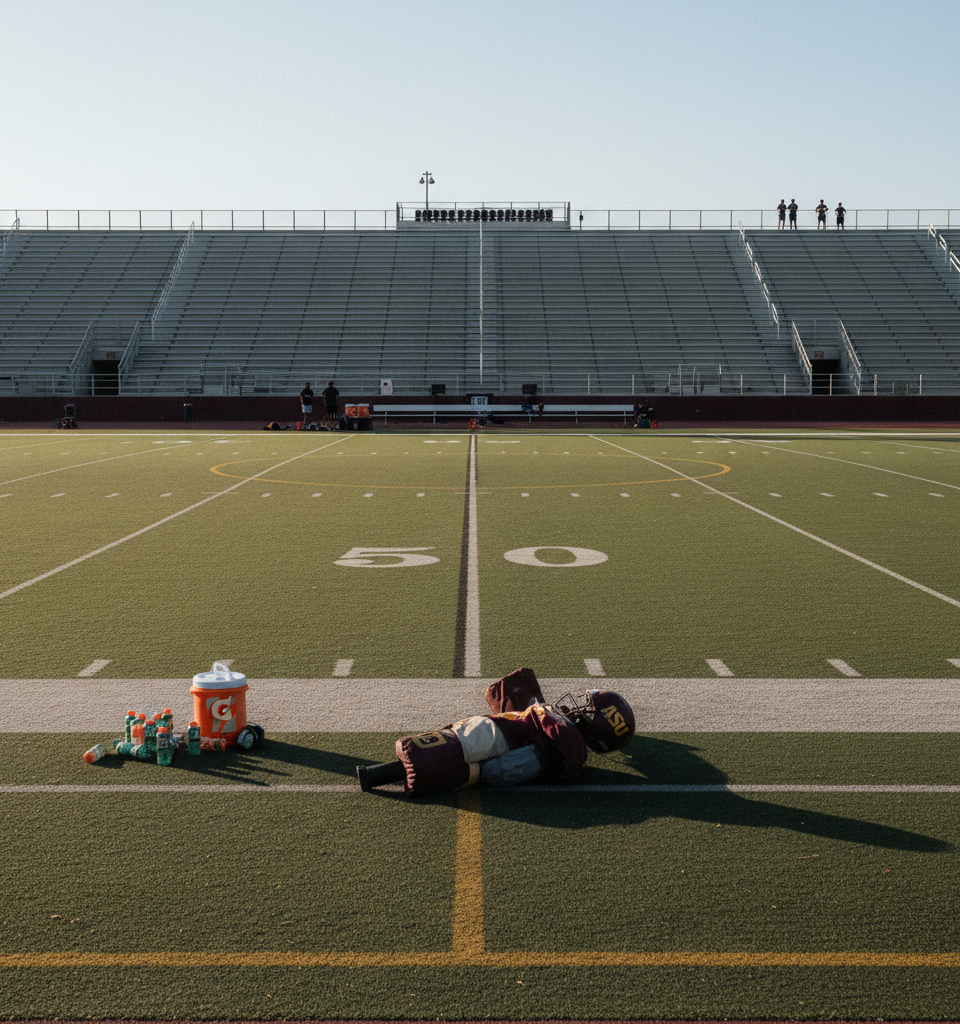
This incident highlights escalating liability risks and the critical need for robust athlete welfare protocols across sports organizations. Companies supplying athletic equipment and sports medicine technologies face increased scrutiny and demand for enhanced safety solutions.
Matthew Mayich, a promising Arizona State University (ASU) hockey player and a draft pick for the St. Louis Blues, reportedly collapsed due to exertional heat stroke during an offseason training session. His attorney has indicated that this severe medical event led to a critical reduction in oxygen flow to Mayich's brain. The development brings heightened attention to athlete safety protocols, particularly concerning heat management in high-performance sports environments.
Context and Background
Exertional heat stroke is a life-threatening condition resulting from the body's inability to regulate its temperature during intense physical activity, especially in hot conditions. Athletes, particularly those undergoing rigorous training, are at high risk if preventive measures and immediate medical responses are not adequately implemented. The alleged incident involving Mayich echoes past concerns raised within both collegiate and professional sports regarding training intensity, environmental conditions, and access to rapid medical intervention.
Mayich's status as a Blues draft pick adds another layer of scrutiny, connecting the incident to professional sports organizations that invest significantly in young talent. Such events can trigger profound ripple effects, influencing player contracts, insurance policies, and organizational reputations across both amateur and professional leagues.
Key Details and Allegations
According to his attorney, Mayich's collapse during an offseason workout was directly attributable to exertional heat stroke. The critical aspect of the attorney's statement is the alleged consequence: reduced oxygen flow to his brain. This specific claim points to potential long-term neurological impacts, which can be devastating for an athlete's career and overall health. The precise details of the workout conditions, including temperature, humidity, and duration, have not been publicly detailed by the attorney or ASU at this time, but are expected to be central to any future discussions or legal proceedings.
Industry and Market Impact
The sports industry, encompassing collegiate athletic departments, professional franchises, and sports equipment manufacturers, faces significant implications. This incident could prompt a reevaluation of athlete welfare policies, particularly those pertaining to heat acclimatization, hydration, and emergency medical response during offseason and preseason training. For businesses providing sports safety equipment, monitoring devices, and cooling technologies, there may be an increased market demand for more advanced and reliable solutions. Insurance providers in the sports sector may also adjust policies and premiums to account for elevated risks associated with extreme athletic exertions.
Future Implications
This situation is expected to catalyze broader discussions within the NCAA and professional sports leagues regarding mandatory safety standards for training sessions. Universities and professional teams may face pressure to implement more stringent protocols, including comprehensive heat illness prevention plans, accessible cooling stations, and highly trained medical staff present at all intense physical activities. Legal experts suggest that such incidents can also lead to increased litigation against athletic departments or organizations if negligence in athlete care is established. The outcome of this specific case could set precedents for how similar situations are handled legally and ethically in the future.
Stakeholders across the sports ecosystem will be closely monitoring how ASU and the St. Louis Blues address these allegations and how the broader athletic community responds to reinforce athlete safety, especially as climate change continues to impact outdoor training conditions.