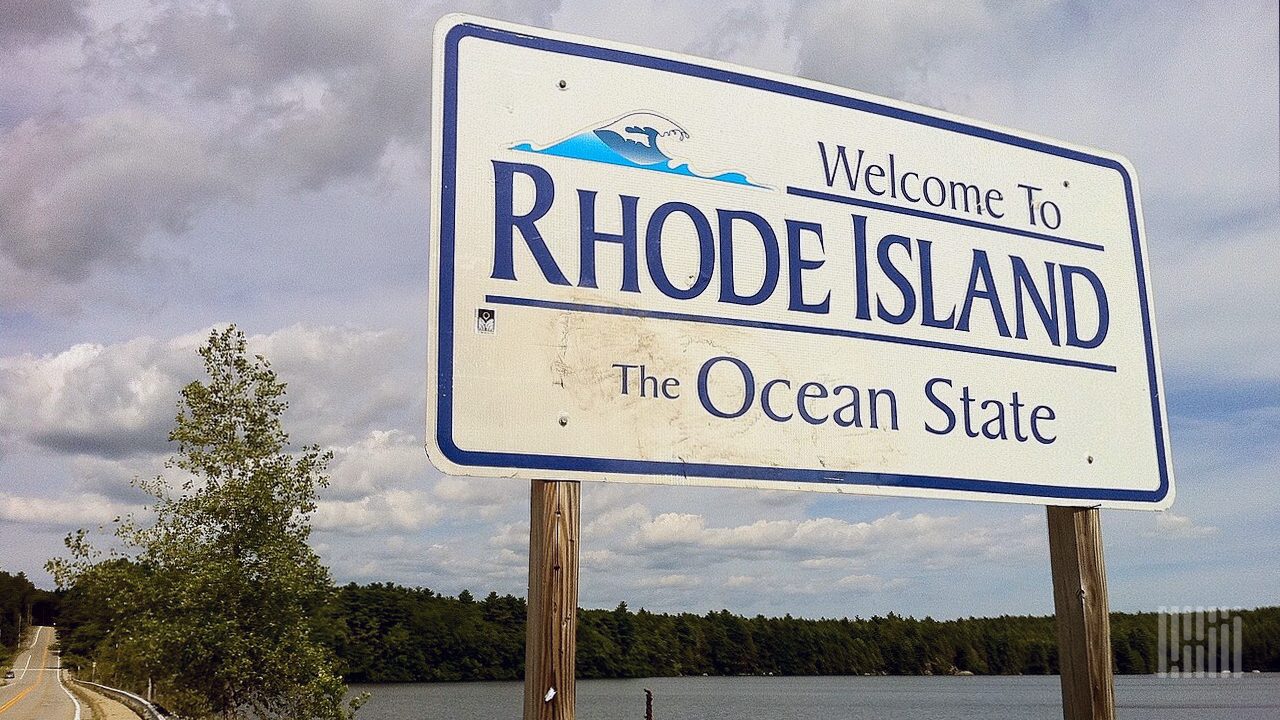
Providence, RI – June 20, 2024 – The American Trucking Associations (ATA) has been denied its request for legal fee compensation following its successful challenge of Rhode Island’s truck-only toll program, known as RhodeWorks. Despite securing a decisive victory at the U.S. Supreme Court, which effectively dismantled the state's controversial tolling scheme, a recent court order has ruled against awarding the ATA any recompense for the substantial legal expenses incurred over nearly a decade of litigation.
A Decade-Long Battle Against RhodeWorks
The ATA's legal challenge against Rhode Island's truck-only tolling system began in 2018, arguing that the tolls, which exclusively targeted tractor-trailers, were discriminatory and violated the U.S. Constitution's Commerce Clause. The program, enacted in 2016, aimed to generate an estimated $45 million annually for bridge infrastructure repairs, drawing strong opposition from the trucking industry from its inception. The ATA's persistent advocacy culminated in a unanimous U.S. Supreme Court decision in February 2022, affirming lower court rulings that the tolls were unconstitutional, forcing Rhode Island to dismantle the system and refund collected tolls totaling tens of millions of dollars.
The Fight for Financial Recoupment
Following its Supreme Court triumph, the ATA sought to recover its legal fees, arguing that such compensation was warranted given the clear constitutional violation and the public benefit derived from the ruling. The organization had invested significant resources into the litigation, including attorney fees, expert witness costs, and other administrative expenses over multiple appeals. However, the most recent court ruling determined that the conditions for awarding legal fees were not adequately met, effectively leaving the ATA to bear the financial burden of its successful challenge. This denial underscores the financial risks inherent in even successful, high-profile constitutional litigation.
Broader Implications for State Infrastructure Funding
This outcome has significant implications for how states approach infrastructure funding and how the trucking industry might challenge future discriminatory practices. While the ATA's victory prevented similar truck-only tolling schemes from proliferating across the nation, the denial of legal fees could serve as a deterrent for other industry groups considering costly legal battles against state policies. States, on the other hand, might interpret this as partial insulation from the full financial consequences of unconstitutional taxation schemes, potentially emboldening them to devise novel, albeit legally dubious, revenue-generating mechanisms. The initial $45 million estimated annual revenue from RhodeWorks highlighted the desperate need for infrastructure funding, a challenge many states continue to face.
Industry Experts Weigh In
Industry analysts and legal experts have noted the bittersweet nature of the ruling for the ATA. "While the constitutional victory for the ATA was paramount, the inability to recover legal fees is a significant financial setback," commented Dr. Eleanor Vance, a transportation policy expert at the University of Maryland. "It highlights the deep pockets required to challenge state actions and the substantial financial risk involved, even when the law is ultimately on your side. This isn't just about trucking; it's a critical precedent for all industries facing potentially discriminatory state taxation." Others suggest that the unconstitutionality of the tolls was so blatant that the outcome of the fee request was less surprising, given the high bar for such awards in federal litigation.
The Path Forward: Fiscal and Legislative Strategies
Moving forward, the trucking industry will likely redouble its efforts on the legislative front, advocating for federal mechanisms that ensure equitable infrastructure funding without resorting to discriminatory state-level tolls. For Rhode Island, the state now faces the challenge of funding its extensive bridge repair needs without the revenue stream it had projected from RhodeWorks. The state has already begun exploring alternative funding models, including potential federal grants and general fund allocations, to close the multi-million dollar infrastructure deficit. The broader debate around a sustainable, national infrastructure funding solution, possibly involving increased federal fuel taxes or a vehicle-miles-traveled fee, is expected to gain further urgency in the wake of this protracted legal saga.
The ATA’s strategic focus will undoubtedly remain on monitoring similar legislative proposals in other states and ensuring that the precedent set by the Rhode Island case prevents other jurisdictions from implementing similar discriminatory tolling systems. While the financial burden of the legal fight rests solely on its shoulders, the organization has solidified its role as a formidable advocate for fair and equitable taxation within the transportation sector.