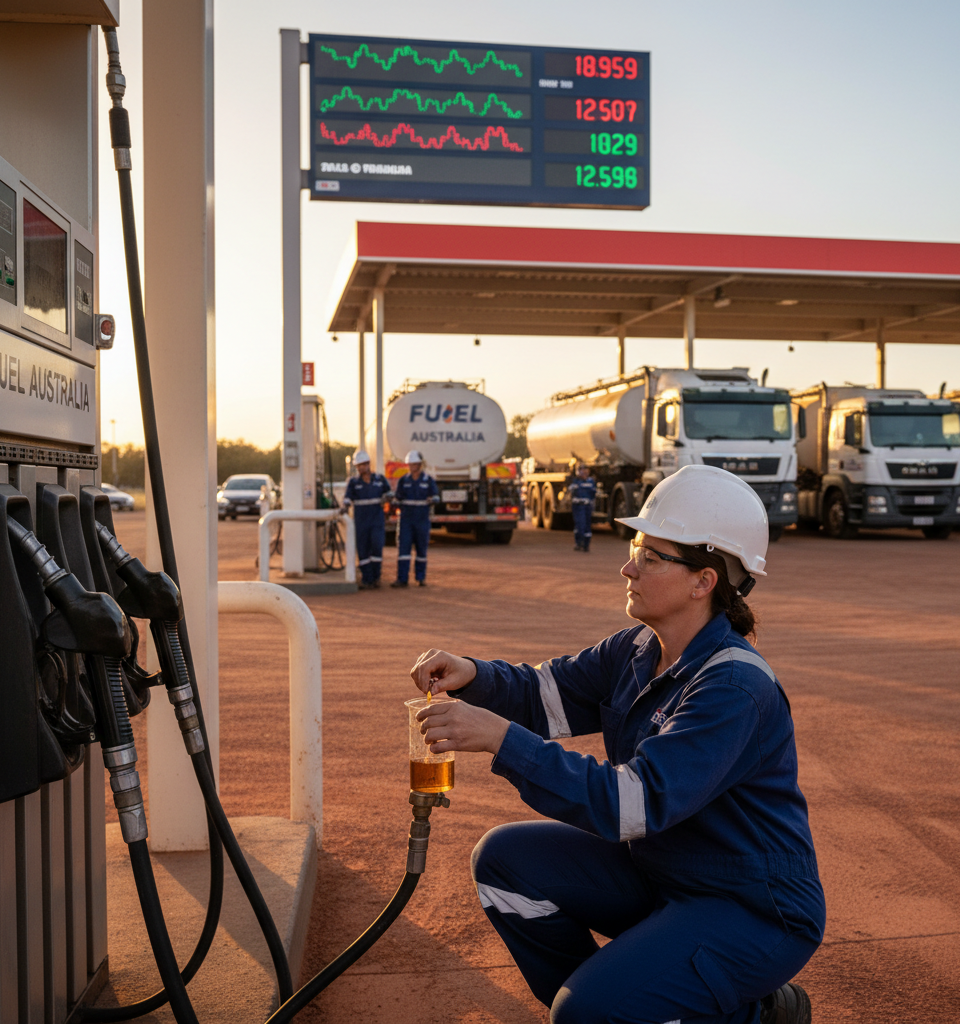
CANBERRA, ACT – The Australian federal government has announced a significant extension of its relaxed fuel quality standards, a move designed to enhance domestic fuel supply resilience and mitigate the impact of ongoing global energy market volatility. Originally introduced as a temporary measure to navigate international supply chain disruptions, this extension underscores a strategic imperative to safeguard Australia's foundational energy needs, ensuring consistent access to petrol and diesel for consumers and industries across the continent.
This policy continuation arrives at a critical juncture for Australia's energy sector. Historically, Australia has been a significant net importer of refined petroleum products, making it vulnerable to international supply shocks and price swings. The initial relaxation of standards, which commenced in response to the Russia-Ukraine conflict and its subsequent reverberations across global oil markets, allowed for the importation of fuels that might not strictly adhere to Australia's typically stringent specifications but were readily available in international markets. This pragmatic approach served to prevent potential shortages and stabilize pump prices during periods of heightened uncertainty.
Key details of the extension reveal that certain parameters, such as sulfur content and octane levels, will continue to be afforded greater flexibility. While specific timelines for this extension were not immediately detailed in the initial announcement, government officials indicated a commitment to reviewing the policy periodically, balancing energy security with long-term environmental objectives. The government emphasizes that these adjustments are meticulously managed to ensure that any imported fuels remain well within acceptable safety and environmental thresholds, preventing detrimental impacts on vehicle performance or air quality. Industry stakeholders have largely welcomed the extension, citing the operational complexities and lead times involved in securing compliant fuel stocks from a shrinking pool of international suppliers capable of meeting Australia's pre-relaxed specifications.
The broader industry and market impact of this extension is substantial. It provides refiners and importers with greater flexibility in sourcing products globally, potentially reducing the cost of procurement and, by extension, the price at the pump for consumers. However, some environmental groups have raised concerns about the long-term implications of potentially higher-sulfur or lower-octane fuels, though the government maintains these are temporary and closely monitored deviations. The decision also signals a potential shift in Australia's long-term energy strategy, perhaps hinting at a greater emphasis on domestic refining capabilities or a diversification of import sources, reducing reliance on traditional, often costlier, supply routes.
Energy analysts widely interpret this extension as a sensible, albeit short-to-medium-term, tactical decision. Dr. Emily Watkins, a senior energy economist at the Australian Institute of Strategic Studies, commented, "Australia's vulnerability to global fuel market disruptions is undeniable. This extension buys the government time to develop more robust, long-term energy security strategies, potentially including investments in domestic refining upgrades or alternative fuel infrastructure, while preventing immediate supply crises." However, she also cautioned that "it shouldn't distract from the urgent need to transition towards cleaner energy sources and reduce overall reliance on fossil fuels in the long run."
Looking ahead, the extension of these relaxed fuel standards is likely to be accompanied by intensified discussions around Australia's future energy mix. Upcoming developments could include further government commitments to secure domestic refining capacity, explore strategic fuel reserves, and accelerate the uptake of electric vehicles and other alternative transportation fuels. The periodic review mechanism mentioned by the government suggests that the policy's duration will be dictated by evolving global geopolitical landscapes and the stability of international oil markets, indicating a dynamic and adaptable approach to national energy security. The next few years will be crucial in defining Australia's energy independence and its pathway towards a more sustainable fuel future.