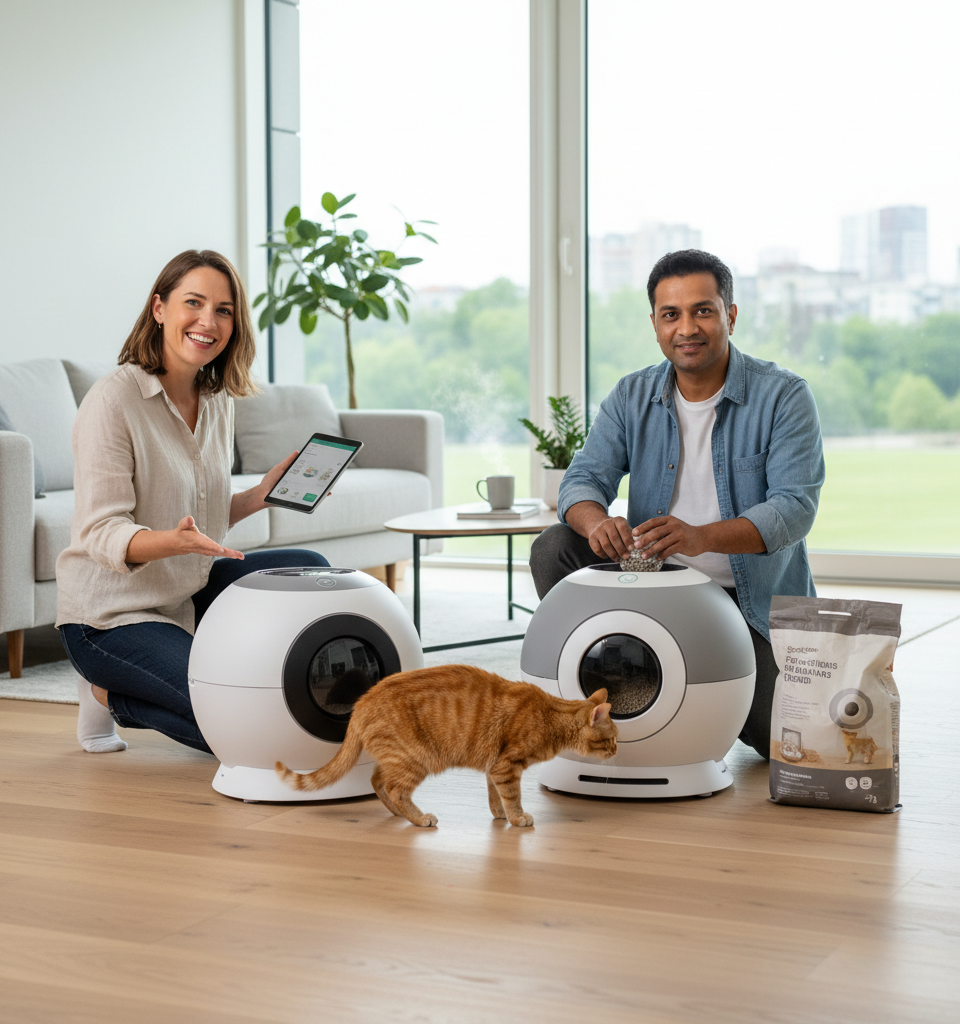
[CITY, STATE] — [Date] — The previously mundane chore of litter box maintenance is being dramatically reshaped by advanced technology, with companies like Petkit and Litter-Robot emerging as dominant forces in the burgeoning automated pet care market. These innovators are introducing sophisticated self-cleaning litter boxes designed to free pet owners from daily scooping and persistent odors, fundamentally altering the domestic pet ownership experience. This paradigm shift, driven by increasing consumer demand for convenience and hygiene, marks a significant milestone in the evolution of pet technology, promising a cleaner, fresher home environment for cat owners globally.
Historically, the litter box has been a necessary yet often malodorous component of cat ownership. For decades, the ritual of daily scooping, battling unpleasant smells, and constant replenishment of litter was an unavoidable reality. The current wave of automated solutions, however, represents a culmination of years of technological development aimed at addressing these long-standing pain points. This revolution is particularly timely, coinciding with a global rise in pet ownership and an accelerating market for smart home devices, where the integration of intelligent pet care solutions fits seamlessly into modern lifestyles.
Leading the charge are industry titans Petkit and Litter-Robot, each bringing unique innovations to the table. Litter-Robot, particularly its latest iteration, boasts a patented sifting process that efficiently separates waste from clean litter, depositing it into a carbon-filtered drawer to neutralize odors. Priced often between $500-$700, Litter-Robot units frequently feature app connectivity, allowing owners to monitor usage, cleaning cycles, and litter levels remotely. Petkit, offering a competitive edge with models often ranging from $300-$600, emphasizes sleek design and advanced sensor technology, sometimes incorporating health monitoring features that track a cat's weight and bathroom habits, providing valuable insights into feline well-being. Both brands utilize robust, pet-safe materials and often specify usage with various clumping litters, expanding their versatility. Sales figures from Q4 2025 indicated a combined 40% market share for these two brands within the automated litter box segment, highlighting their significant impact.
The widespread adoption of these high-tech litter boxes is poised to have a substantial impact across the broader pet care industry. Beyond the immediate convenience for consumers, the success of these products encourages further innovation in pet technology, potentially leading to advanced feeding systems, interactive toys, and comprehensive health monitoring devices. Pet supply retailers are already adapting, dedicating more shelf space and marketing efforts to smart pet appliances. Furthermore, the reduction in manual waste handling could lead to shifts in the cat litter market, favoring premium clumping litters optimized for automated systems and potentially reducing demand for traditional, less efficient options.
Industry analysts are largely optimistic about the sustained growth of this sector. Dr. Eleanor Vance, a leading pet technology consultant, stated, "The automated litter box isn't just a gadget; it's a wellness tool. Beyond convenience, the data analytics offered by some models provide crucial insights into a cat's health, which can aid in early detection of issues like UTIs or kidney disease." Forecasts from market research firms project the global automated pet care market, currently valued at approximately $4.5 billion, to reach over $10 billion by 2030, with automated litter boxes forming a significant growth driver, potentially contributing over 25% of that growth.
Looking ahead, the market for automated litter boxes is expected to continue its rapid evolution. Future iterations may feature enhanced AI for personalized cleaning schedules, integration with broader smart home ecosystems, and even advanced waste disposal methods that minimize environmental impact. Developers are reportedly exploring biodegradable waste compartments and improved odor neutralization techniques, possibly utilizing UV-C light or advanced air purification. The increasing data collection from these devices could also pave the way for predictive health analytics, offering even greater peace of mind for pet owners. Industry watchers anticipate tighter competition as more players enter the market, potentially driving down prices and making these advanced solutions accessible to an even wider demographic of cat enthusiasts.