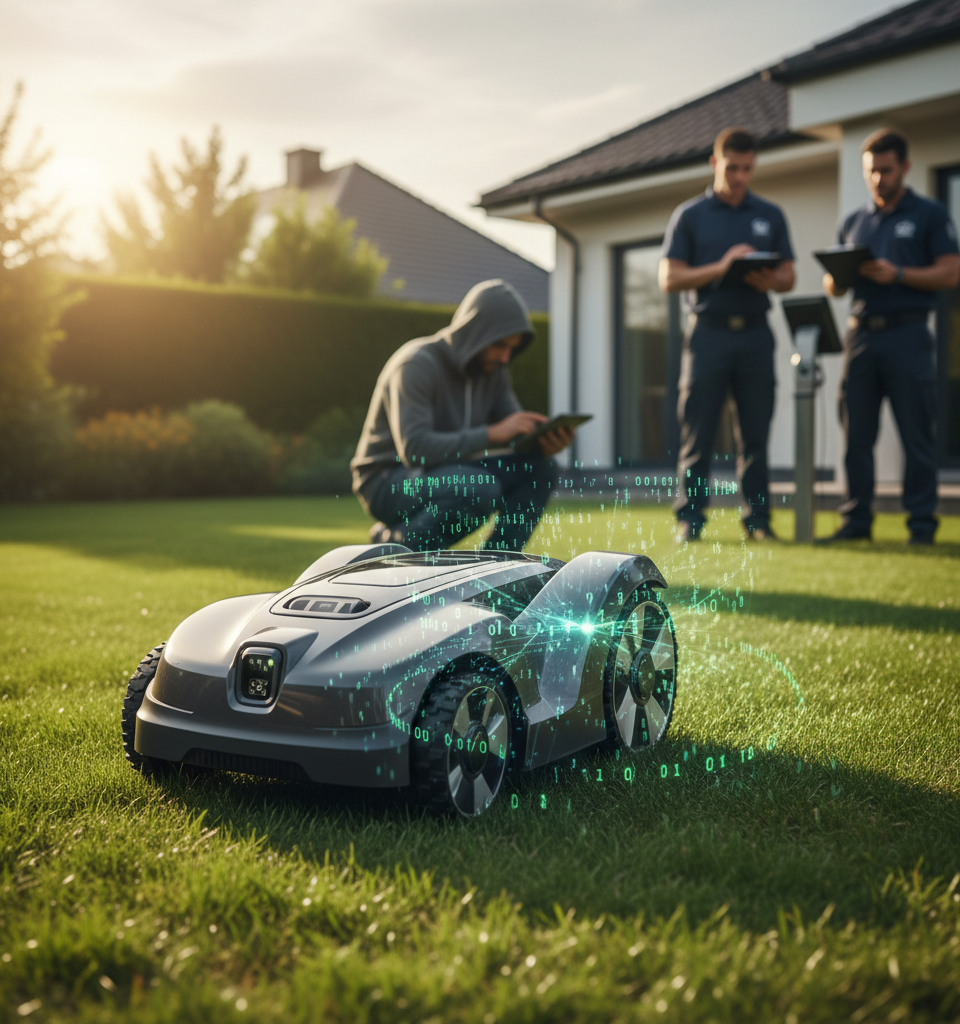
Cybersecurity researchers recently unveiled a significant vulnerability in widely adopted robot lawnmowers, demonstrating how these seemingly innocuous household devices can be remotely hacked and controlled. The exploit, detailed in a recent report, allows malicious actors to gain full operational command over the autonomous mowers, including directional control and blade activation. This revelation underscores a burgeoning threat in the Internet of Things (IoT) landscape, where smart devices, often lacking robust security protocols, open new vectors for cyberattacks into private homes and properties. The specific models affected are prevalent in markets across North America and Europe, representing a substantial installed base of potentially compromised devices.
The Rising Tide of IoT Vulnerabilities
This incident is not an isolated one but rather symptomatic of a larger, escalating trend where the convenience of connected devices often comes at the cost of security. Unlike traditional IT infrastructure, many IoT devices are designed with minimal processing power and memory, making it challenging to implement comprehensive security measures or deliver timely patches. Historically, hacks targeting smart devices have ranged from surveillance breaches via smart cameras to denial-of-service attacks on home networks. The potential for a robot lawnmower to become a kinetic weapon, albeit low risk, introduces a novel dimension to these threats, moving beyond data theft or privacy invasion to direct physical manipulation within a domestic environment.
Technical Details and Potential Exploitations
According to the researchers who exposed the flaw, the vulnerability lies in an unpatched communication protocol that permits remote access without proper authentication. Attackers could exploit this weakness to take control of the mower, potentially guiding it into obstacles, onto public roads, or even into individuals. While the immediate risk of severe physical harm is considered low due to inherent safety features like lift sensors, the ability to control a motorized device on private property raises serious questions about privacy, property damage, and the escalation of IoT-related risks. The report did not specify the exact number of vulnerable devices, but industry estimates suggest that millions of robot mowers have been sold worldwide in recent years, with a market value projected to reach over $2 billion by 2025.
Broader Implications for Smart Home Security
This cybersecurity revelation extends beyond robot lawnmowers to the broader smart home industry, prompting urgent discussions on device manufacturers' responsibility for product security. The incident serves as a stark reminder that every connected device, from smart thermostats to intelligent lighting systems, represents a potential entry point for attackers. The economic impact could be significant, not only in terms of potential recalls and software updates but also in eroding consumer trust in smart home technology. As the market for IoT devices continues its rapid expansion—forecasts predict over 25 billion connected devices by 2030—the financial and reputational stakes for manufacturers are soaring.
Expert Calls for Enhanced Regulation and Standards
Cybersecurity experts are increasingly advocating for more stringent industry standards and governmental regulations for IoT devices. Dr. Evelyn Reed, a leading cybersecurity analyst, commented, "This mower vulnerability isn't just about a gadget; it's a glaring spotlight on the critical need for 'security by design' principles in all connected consumer products. Manufacturers must prioritize robust encryption, mandatory regular updates, and clear end-of-life security support." She added that consumers also bear responsibility for choosing reputable brands and actively managing their device security settings. The current fragmented regulatory landscape often leaves consumers exposed to poorly secured devices.
The Path Forward: Patches, Policies, and Awareness
In immediate response, the affected robot lawnmower manufacturer has acknowledged the vulnerability and announced that a critical security patch is being developed and will be rolled out via firmware updates. Consumers are strongly advised to ensure their devices are connected to the internet to receive these updates promptly. Looking ahead, this incident is likely to accelerate discussions around comprehensive IoT security legislation, potentially mirroring efforts seen in regions like the European Union with its Cyber Resilience Act.
Furthermore, consumer education on safeguarding smart devices and understanding potential risks will become increasingly vital as our homes become more interconnected. The incident also casts a new light on other unaddressed cyber threats, including reports of Meta discontinuing encrypted Instagram DMs and alarming revelations about state-sponsored hacking schools, contextualizing a wider global cyber struggle.