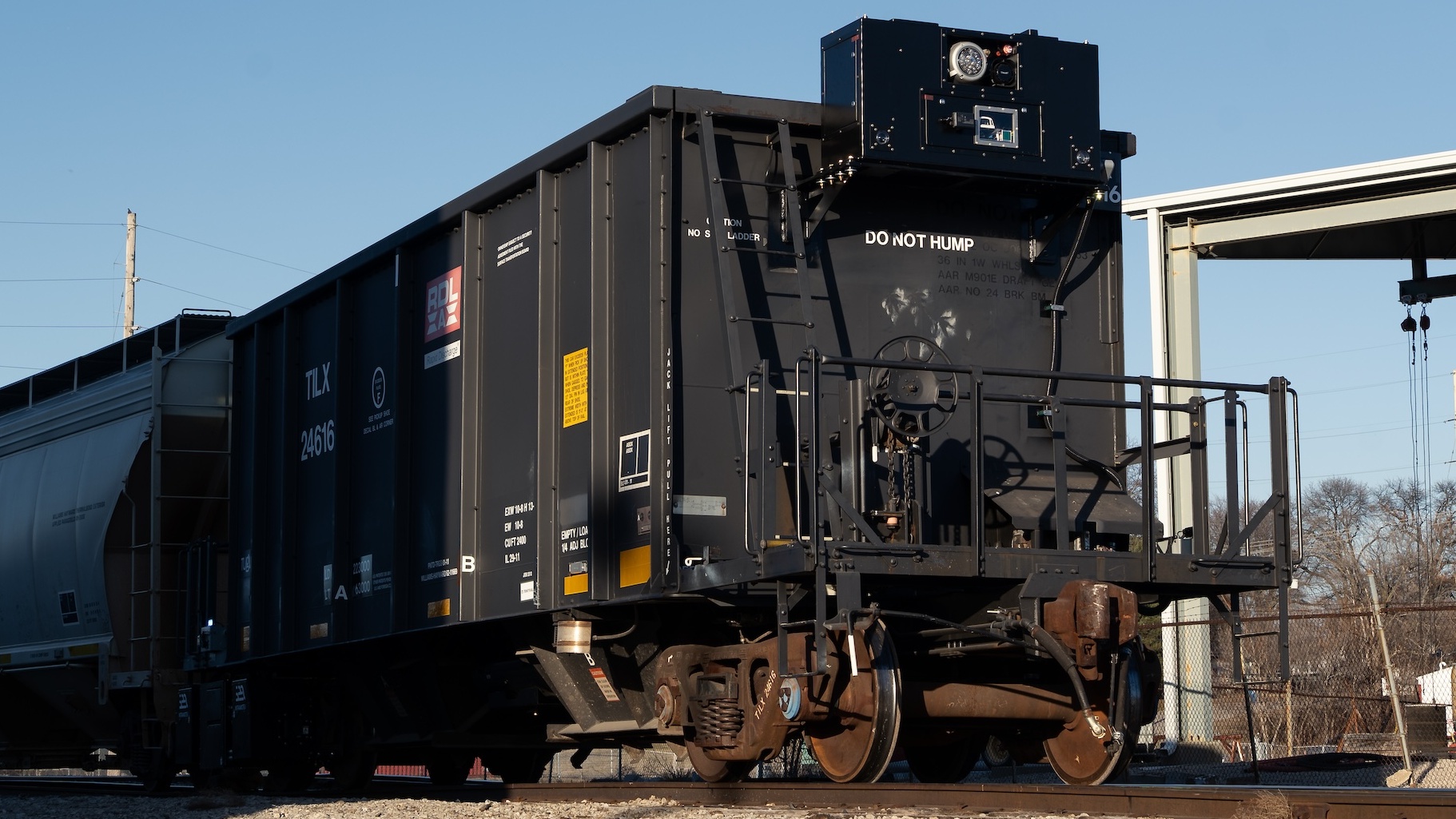
Pittsburgh-based Intramotev, a burgeoning innovator in autonomous railcar technology, today announced a pivotal commercial agreement with a major short line railroad operator. While specific terms and the identity of the operator were not immediately disclosed, this development marks a significant step forward for the nascent field of autonomous freight rail and for Intramotev’s market penetration strategies.
The agreement underscores a growing recognition within the rail industry of the potential for autonomous solutions to enhance operational efficiency, reduce labor costs, and improve safety across short line networks. Short line railroads, which typically connect industrial customers to larger Class I railroads, represent a vital artery in the North American freight transportation system. Their unique operational characteristics – often involving lower speeds, shorter hauls, and more frequent stops – make them a strategic proving ground and an early adopter market for autonomous technologies.
Advancing Rail Automation and Efficiency
This latest partnership follows Intramotev’s continued efforts to commercialize its proprietary autonomous railcar systems. The company's technology focuses on developing self-propelled, battery-electric railcars capable of operating without a human engineer, designed to integrate seamlessly into existing rail infrastructure. Such innovations are poised to address long-standing challenges in the rail sector, including labor shortages, fuel consumption, and the need for more agile and responsive logistics solutions.
The broader implications for the freight rail industry are substantial. Autonomous railcars offer the promise of 24/7 operations, optimized train movements, and potentially the ability to move smaller, more frequent shipments, thus competing more effectively with long-haul trucking. For short line operators, these capabilities could translate into reduced expenses related to crew changes, fuel, and equipment maintenance, ultimately boosting their competitive edge in local and regional freight markets.
Market Impact and Future Outlook
While the financial details of the agreement remain confidential, its announcement suggests increasing confidence from established operators in the viability and safety of autonomous rail technology. The rail industry, historically slow to adopt disruptive technologies compared to sectors like automotive or aviation, is showing signs of accelerating its embrace of automation. This partnership could serve as a model for further collaborations between technology developers and traditional rail companies looking to modernize their fleets and operational paradigms.
Analysts are watching closely as early commercial deployments of autonomous rail technology unfold. Successes in these initial agreements will be crucial in demonstrating the technology's reliability, safety, and economic benefits, paving the way for wider adoption across the North American rail network. The scalability of Intramotev's solution, particularly its ability to integrate with various types of freight and infrastructure, will be a key factor in its long-term success.
Looking ahead, this agreement positions Intramotev to further solidify its standing as a leader in autonomous rail. The experience gained from deploying and operating its technology with a short line operator will provide invaluable data and real-world validation, essential for refining the company's offerings and expanding into new markets. Future developments will likely focus on regulatory approvals, interoperability with existing signaling and dispatch systems, and continued technological advancements to enhance vehicle intelligence and autonomy levels.