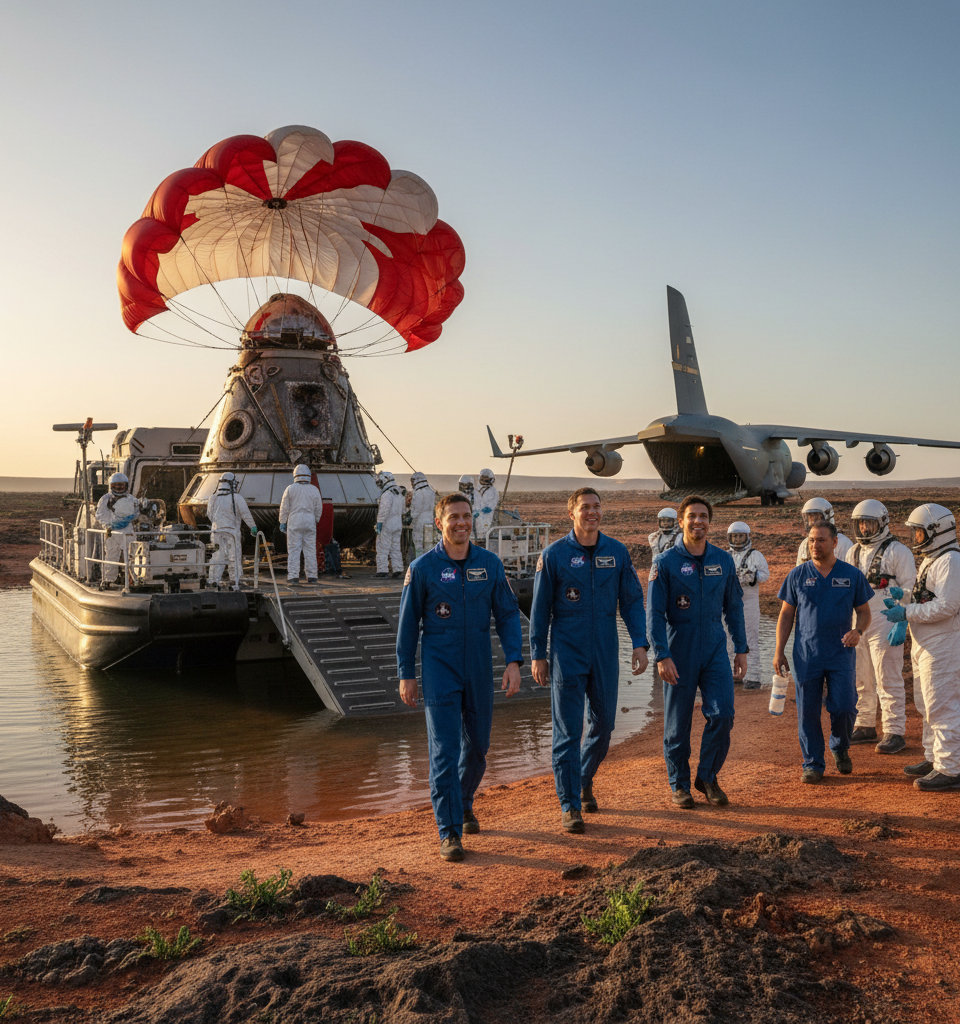
Upon their anticipated return to Earth, the astronauts of the Artemis II mission are slated to embark on a meticulously planned post-flight protocol, central to which will be comprehensive medical assessments. This critical phase is designed to monitor their physiological responses to extended periods in space and to ensure their well-being after enduring the unique stresses of deep-space travel. These initial medical checks are a standard, yet vital, component of all human spaceflight missions, providing invaluable data for future long-duration journeys and maintaining astronaut health.
Medical Monitoring and Data Collection
The medical evaluations are not merely about checking vital signs; they encompass a battery of tests ranging from cardiovascular health and bone density to neurological assessments and psychological well-being. The intent is to meticulously document any changes induced by microgravity, radiation exposure, and the confined environment of a spacecraft. Data collected from these medical examinations will be crucial for understanding the long-term effects of space travel on the human body, directly informing the strategies for future missions to the Moon, Mars, and beyond. This invaluable information will help refine countermeasures, develop more robust medical protocols, and ultimately enhance the safety and success of human exploration.
Historically, post-flight medical care has evolved significantly, from rudimentary checks in the early days of spaceflight to today's highly sophisticated diagnostic tools. The Artemis II mission, designed as a pivotal stepping stone for lunar exploration, will undoubtedly contribute novel data points due to its extended duration and distant orbit compared to low-Earth orbit missions. The health outcomes of these astronauts will set precedents and provide critical insights into the human body's capacity for deep-space endurance, informing mission planners and medical professionals for forthcoming, even more ambitious, space ventures.
Family Reunions: A Vital Reintegration Step
Following the imperative medical assessments, a deeply significant phase for the astronauts will be their long-awaited reunion with their families. This personal milestone is acknowledged as a critical component of psychological reintegration and overall well-being after such an isolating and demanding endeavor. NASA, and other space agencies, recognize the profound impact that extended separation and the inherent dangers of spaceflight have on astronauts and their loved ones. Facilitating a smooth and supportive return to family life is therefore prioritized, often under careful consideration of privacy and personal adjustment.
These reunions are not just emotional events; they are integral to helping the astronauts transition back into terrestrial life. The support network provided by family is crucial for mental resilience after the intense focus and disciplined environment of a space mission. While the public often focuses on the scientific achievements, the human element of space exploration, including the sacrifices made by families, is a cornerstone of these endeavors. Providing a structured yet empathetic environment for these reunions underscores the holistic approach taken towards astronaut care.
Broader Implications for Future Missions
The post-flight procedures for the Artemis II crew extend beyond immediate medical and personal needs, offering broader implications for the development of future space exploration strategies. The comprehensive data gathered on human response to deep-space conditions will directly influence mission planning for the Artemis III lunar landing and potential crewed missions to Mars. Understanding the physiological and psychological thresholds will determine habitat design, mission duration parameters, and the types of countermeasures — from exercise regimes to pharmaceutical interventions — required for even longer journeys.
Furthermore, the experiences of the Artemis II astronauts will contribute to refining astronaut training programs. This includes not only technical skills but also stress management, team dynamics, and the psychological preparedness necessary for extended isolation and high-pressure environments. Their debriefings and medical data will inform best practices, ensuring that future crews are even better equipped to face the challenges of space travel. The rigorous post-flight analysis, therefore, is not merely an epilogue to a mission but a crucial prelude to the next chapters of human space exploration.
This meticulous approach ensures that every mission, especially pivotal ones like Artemis II, serves as a foundation for safe, effective, and increasingly ambitious human endeavors into the cosmos. The lessons learned from their return will be invaluable in crafting a sustainable presence on the Moon and ultimately, in paving the way for humanity's journey to Mars.